Home/Programs/International Young Diplomats School
A three-day school in Islamabad where students and young professionals learn diplomacy from the people who practise it: ambassadors, diplomats and the heads of international organisations, in their own embassies and offices.

The International Young Diplomats School (IYDS) is an immersive diplomacy training programme in Islamabad, Pakistan, for students of International Relations and for early and mid-career professionals who want a practical understanding of diplomacy and global affairs.
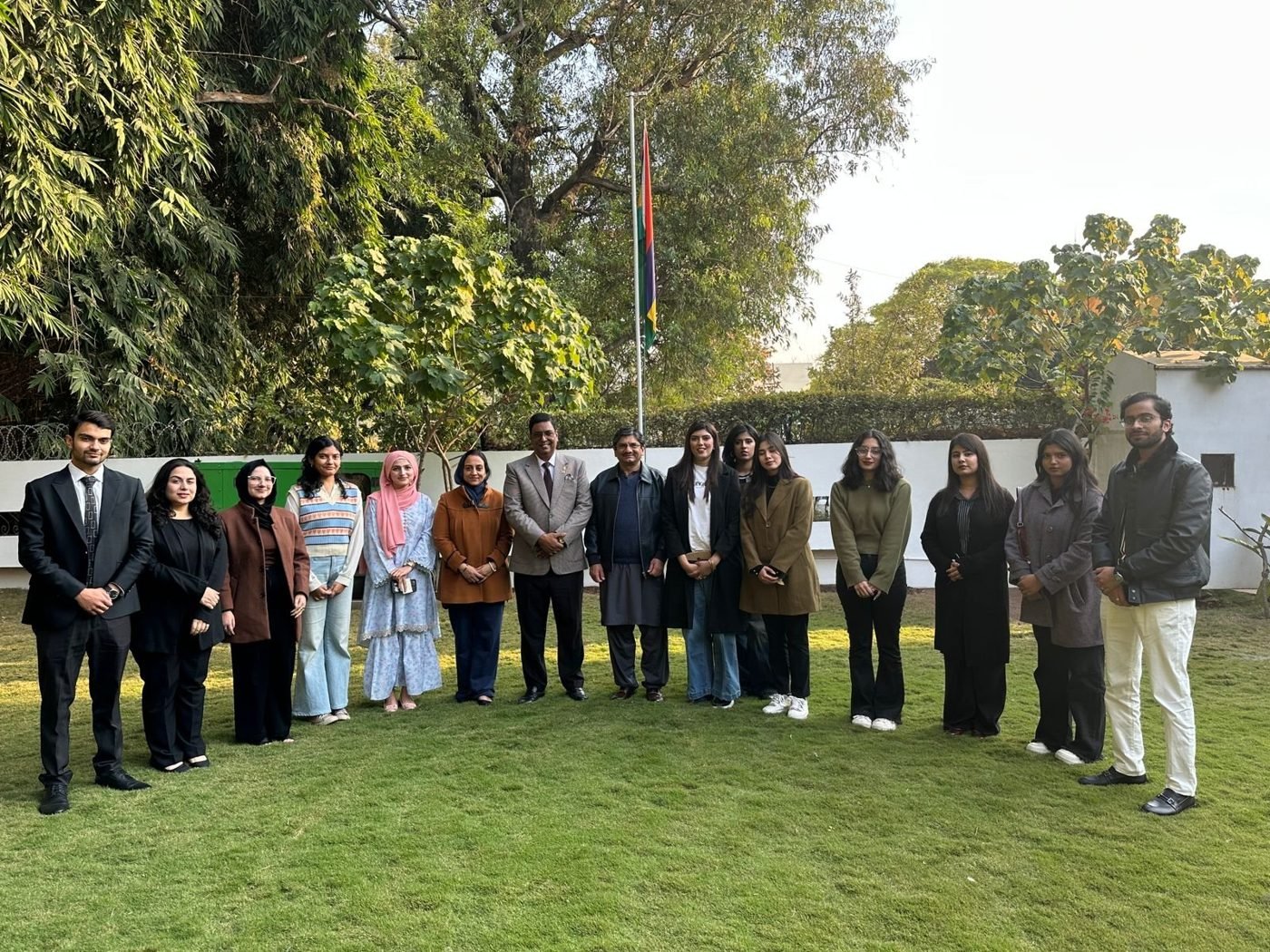
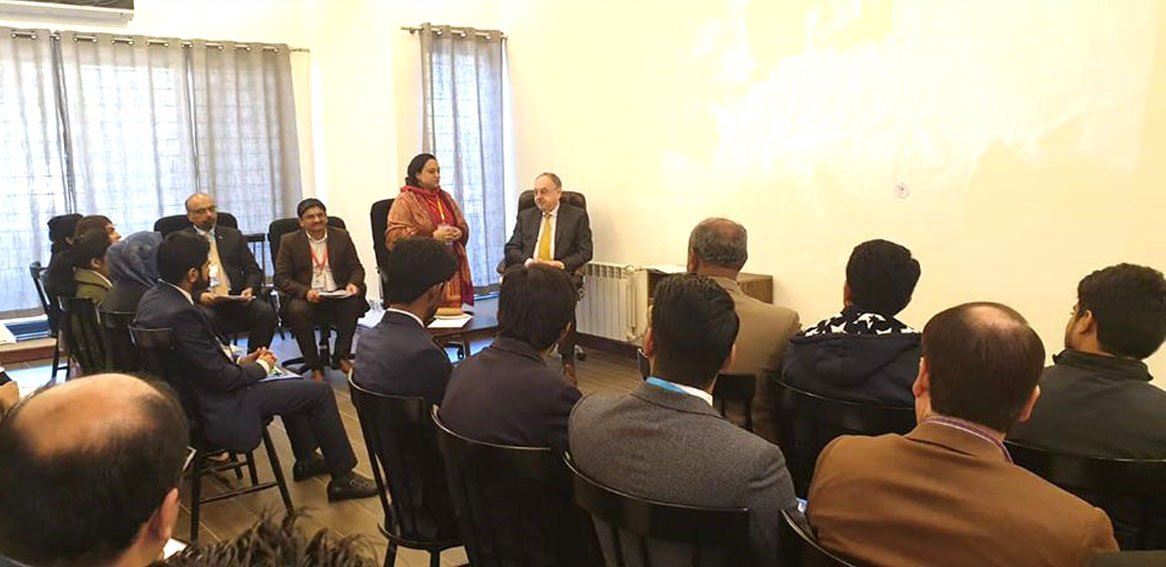
It gives participants the chance to learn directly from ambassadors, diplomats, policy makers and decision-makers in international relations. Through expert-led discussions and real-world experience inside embassies, high commissions and the offices of international organisations, participants see how diplomatic missions work, how foreign policy is made, and how citizens can take part.
The School is organised by the Institute of Peace and Diplomatic Studies (IPDS) every year. It supports the public diplomacy outreach of the foreign missions based in Pakistan while giving the next generation of diplomats, policy professionals and public leaders direct exposure to the world of international affairs.
The scope of diplomacy keeps widening. It is no longer confined to relations between governments. Business leaders, academics and professionals now play a larger part in relations between nations, but they still need diplomatic skills, and access to the diplomats who can support them.
The School connects members of the public with the diplomatic community, so that they understand their own role in people-to-people and informal diplomacy, and how to carry it out with greater impact.
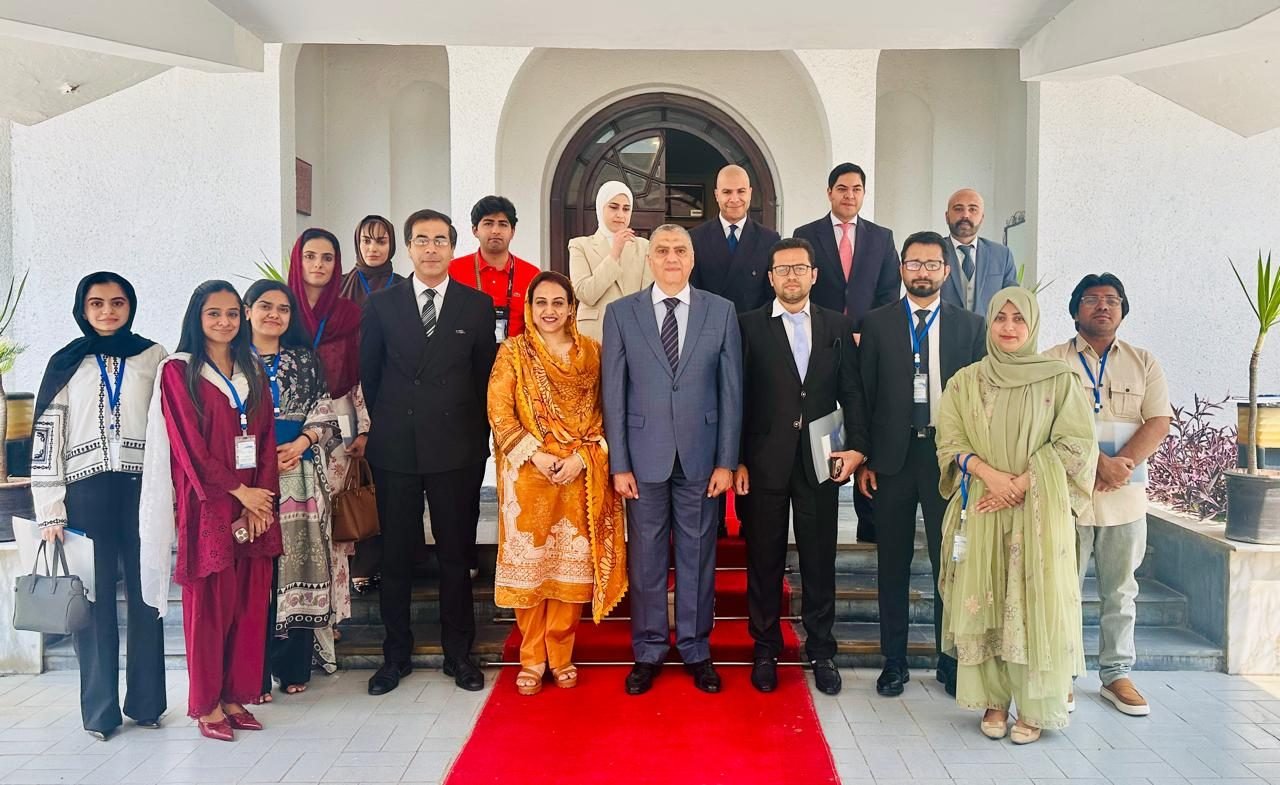
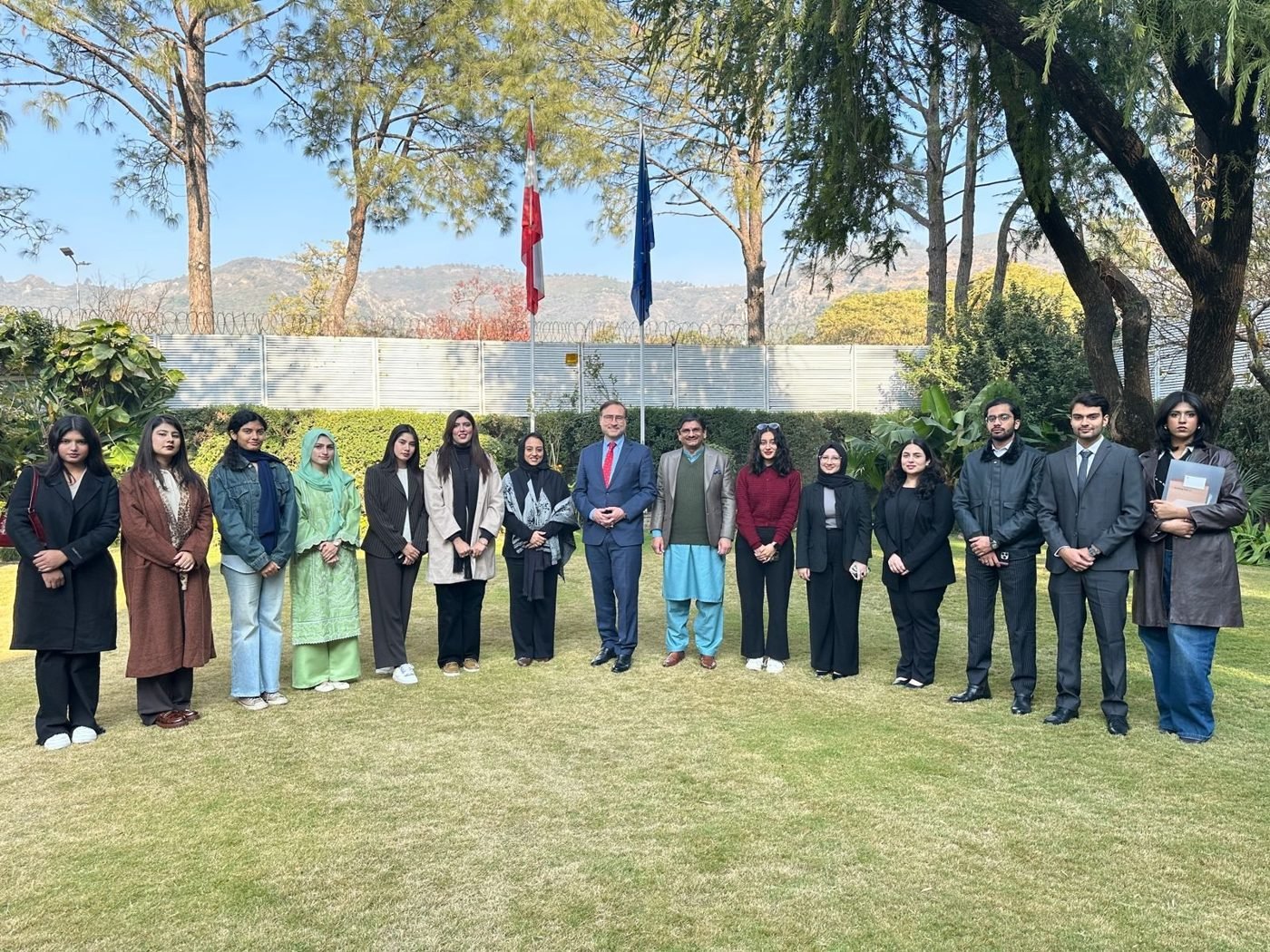
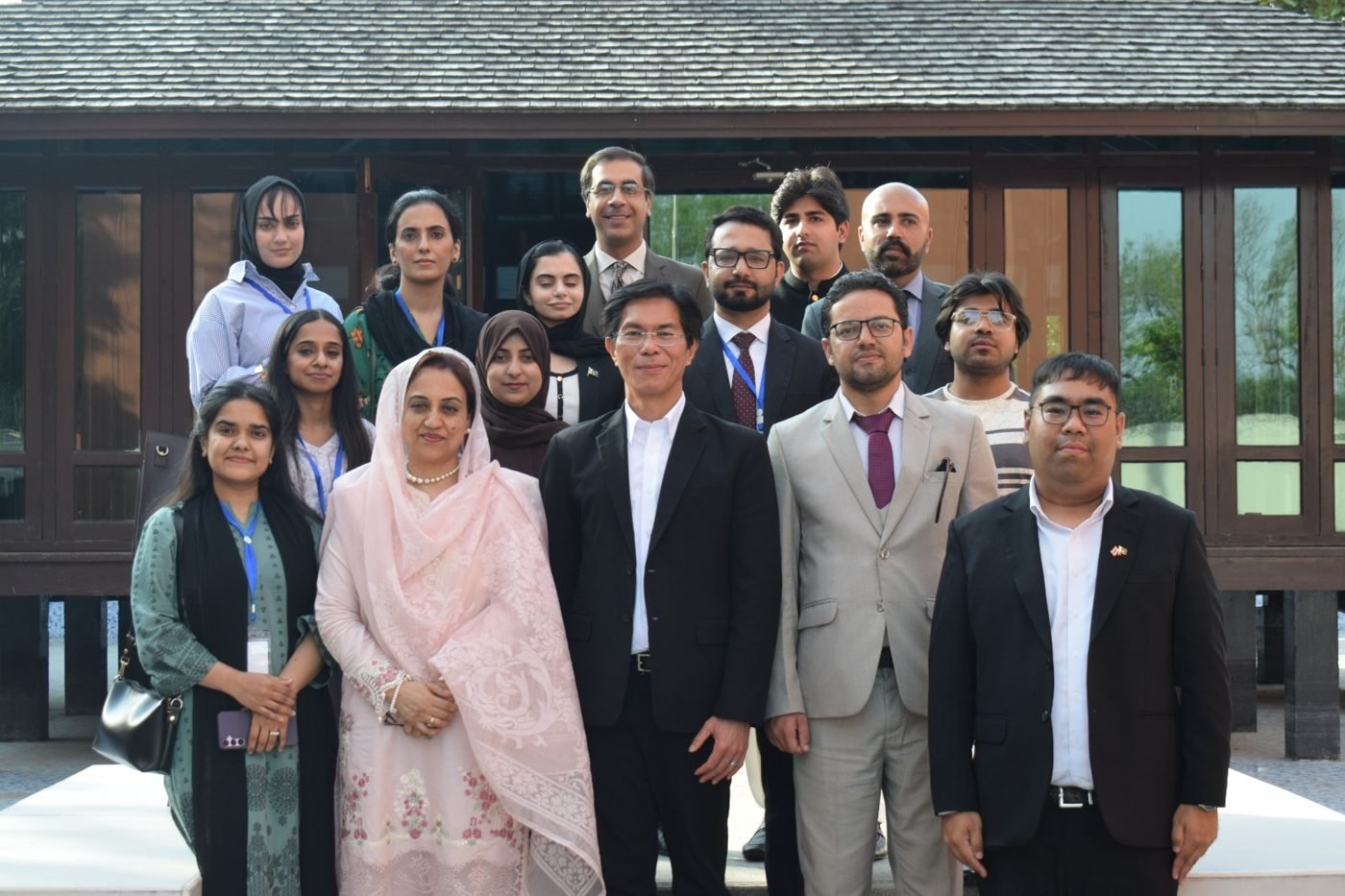
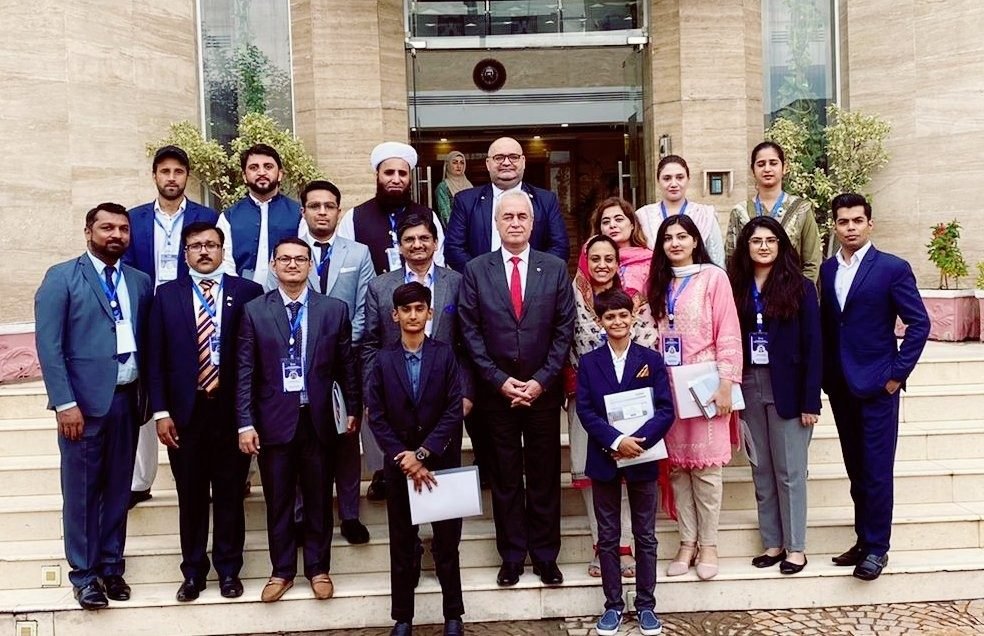
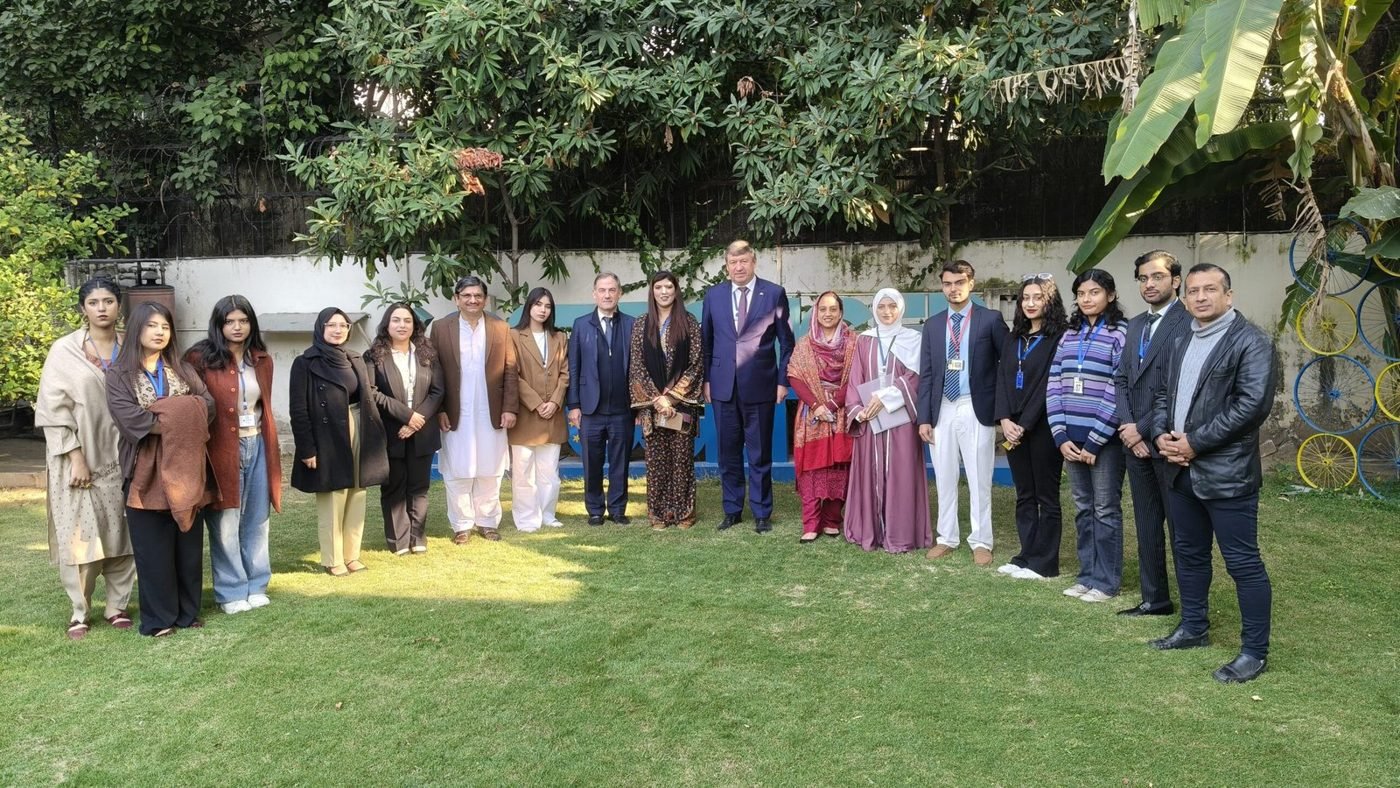
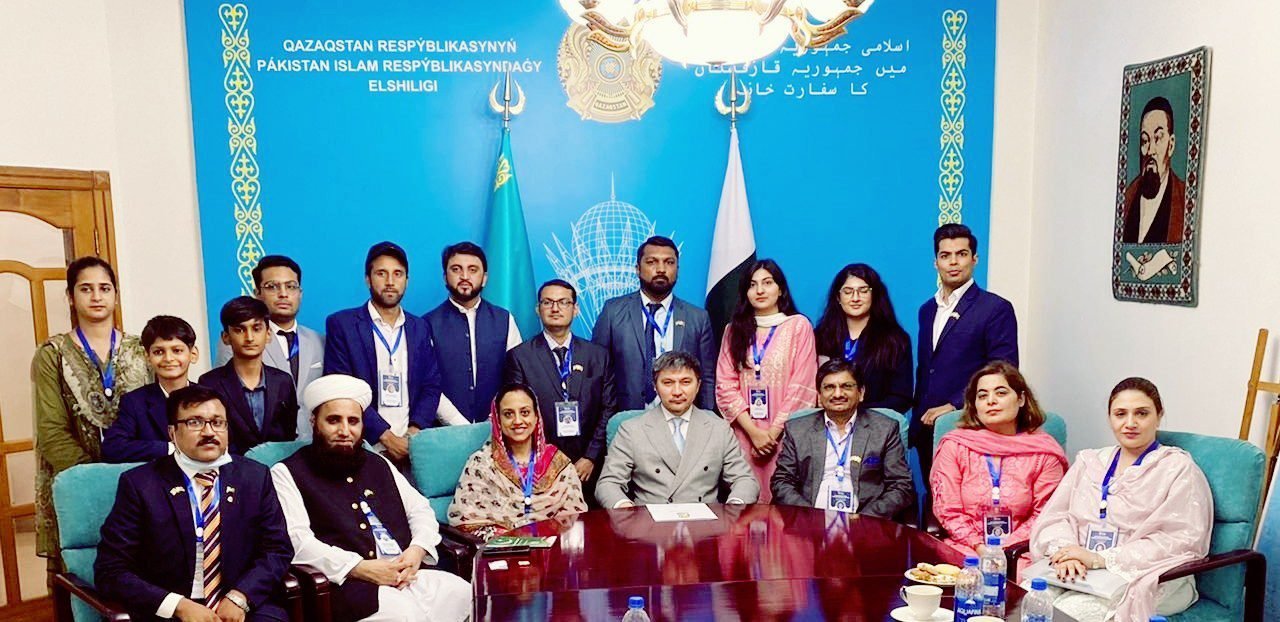
Each day moves between four or five missions and offices across Islamabad. Every session is an interactive conversation with the ambassador or senior officials: a briefing on their country and its relations with Pakistan, followed by open questions. This is how the 7th cohort’s days ran in May 2026.
An inaugural session at an embassy, then back-to-back visits.
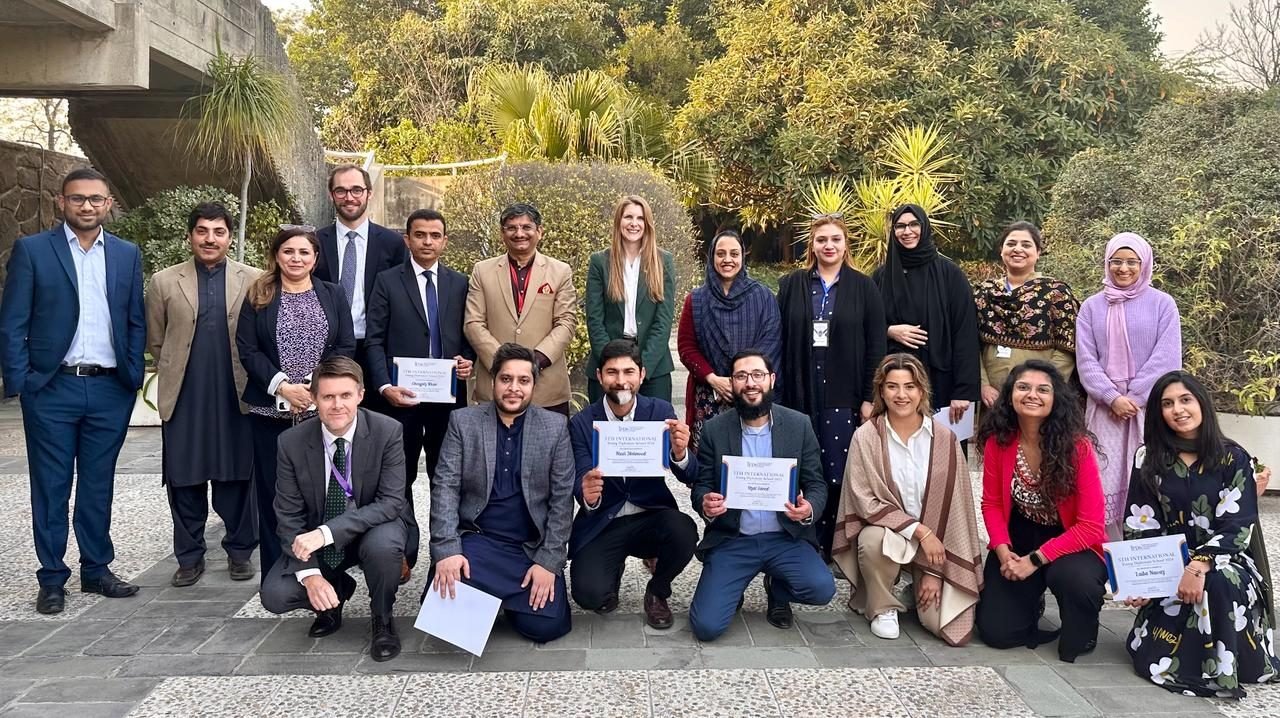
Missions from different regions; certificates may be presented by a host ambassador.
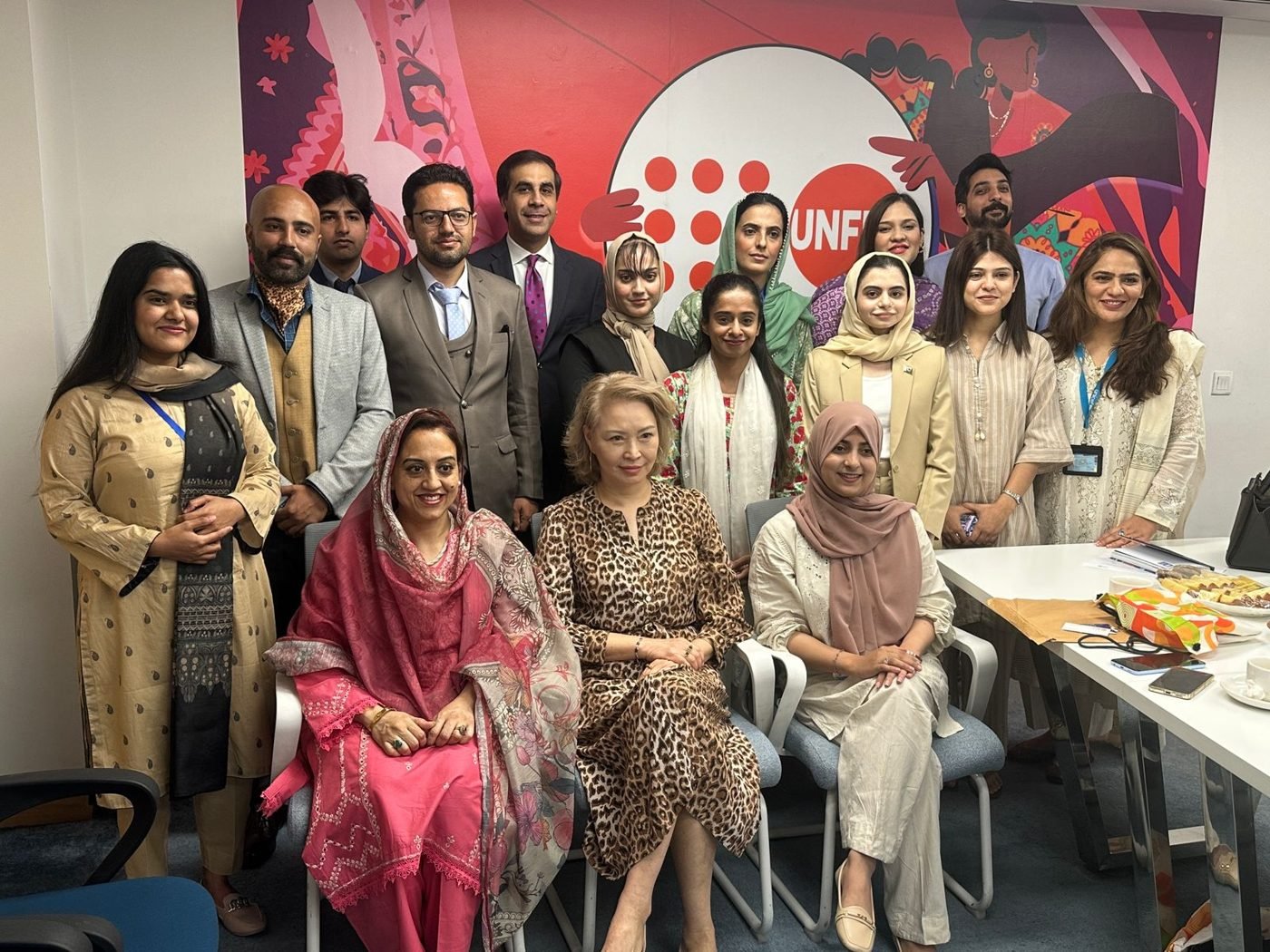
The UN system in Pakistan, reflection, and a closing session.
IPDS proposes and agrees every session with the head of mission and observes diplomatic protocol throughout.
Missions are in secure areas, so participants’ identity details are collected in advance for the required approvals.
Transport between visits is provided. The full daily schedule is shared with confirmed participants.
The School is built for people who will work with other countries in their careers, whether or not they join a foreign service.
Serving ambassadors and heads of international organisations, in conversation, not on a stage.
How an embassy is organised, what its sections do, and how bilateral relations are managed day to day.
Missions from every region and the UN system in three days: Europe, Central Asia, the Gulf, Africa, ASEAN, the Americas.
Protocol, questions and conduct in a real diplomatic setting, which no classroom can replicate.
A cohort of peers from across Pakistan and abroad, and contacts in the diplomatic community.
A certificate of participation, and coverage of your cohort by The Diplomatic Insight and IPDS.
Undergraduate and postgraduate students of International Relations, Political Science, Law, Public Policy and related disciplines.
In government, development, NGOs and business, who want to deepen their understanding of diplomacy and foreign policy.
Seeking a better understanding of trade diplomacy, economic cooperation and how international relationships shape markets.
Applicants from outside Pakistan are welcome. See fees and application.
For a mission, receiving a cohort is a focused way to reach the people who will shape how Pakistan sees the world: future officials, researchers, entrepreneurs and opinion leaders. A single session of an hour or two, at the mission or the residence, reaches a selected group from across the country, and every session is reported by IPDS’s sister publication, The Diplomatic Insight.
IPDS takes care of everything else: participant selection, the security list, transport, timing and coverage.
How missions partner with the School →Every cohort, the missions it visited and the people who received it are documented on the Cohorts page, with photographs and reports.
Record updated 30 September 2026.
An embassy is a bridge between two countries.Ambassador Dr Ihab Mohamed Abdelhamid, Egypt7th IYDS, 2026
Diplomacy is not just confined to signing agreements.Ambassador Rongvudhi Virabutr, Thailand7th IYDS, 2026
Young people are not a homogenous group.Dr Gulnara Kadyrkulova, Deputy Representative, UNFPA Pakistan7th IYDS, 2026
These past three days have been a beautiful learning experience filled with meaningful interactions and memories.Talha A. Goraya7th IYDS participant
A Mela of Diplomats.Waleed Khan Tarakai, describing the School to his family7th IYDS participant


Dates for the 8th IYDS will be announced shortly. Apply now and IPDS will write to shortlisted applicants with the dates and payment details. Places are limited, and the first five confirmed participants receive a 15% early-bird discount.
Apply now Fees, terms and processProgramme fee, payable only once you are offered a place.
Programme fee. Travel, visa and accommodation are arranged by you.
A three-day programme run by the Institute of Peace and Diplomatic Studies (IPDS) in Islamabad, in which participants visit embassies, high commissions and international organisations for interactive sessions with ambassadors and senior officials. Seven cohorts have been held since 2016, with missions and organisations of 26 countries, the European Union and 6 UN agencies and bodies.
Students of International Relations, Political Science, Law, Public Policy and related fields; early and mid-career professionals in government, development, NGOs and business; and entrepreneurs interested in trade diplomacy. Applicants from outside Pakistan are welcome.
Three full days in Islamabad. Dates for each cohort are announced on this website and IPDS’s social media channels.
The programme fee is Rs. 45,000 for participants based in Pakistan and USD 250 for participants joining from abroad. It covers coordination, transport between visits, programme materials and the arrangements with the missions. It is paid only after you are offered a place.
Yes. Participants who complete the programme receive a certificate of participation, usually presented by an ambassador or head of mission at one of the host missions.
It is a practical diplomacy training programme rather than a classroom course. Participants learn on site, in embassies, high commissions and UN offices, through interactive sessions with the ambassadors and officials who run them, and receive a certificate of participation from IPDS.
Missions and organisations that have received IYDS cohorts include the embassies and high commissions of Austria, Denmark, Egypt, Indonesia, Italy, Kazakhstan, the Philippines, Russia, Thailand, Turkmenistan, the United Kingdom, the United States and Zimbabwe, the Delegation of the European Union, and UNDP, UNFPA, UNHCR, UNICEF, UNAIDS and the ILO. The full list, cohort by cohort, is on the Partner Missions page.
Applications are open for the 8th IYDS, to be held in Islamabad. Dates will be announced on this page and emailed to shortlisted applicants.
Missions partner with the School by receiving a cohort for a session, hosting the inaugural or closing session, or giving a country briefing. Write to info@ipd.org.pk; the details are on the Partner Missions page.

More on fees, payment and refunds: Fees and application.
The International Young Diplomats School is a flagship programme of the Institute of Peace and Diplomatic Studies, Islamabad.
Apply for the 8th IYDSPartner with the SchoolOur latest analysis, upcoming events and calls for researchers, in your inbox twice a month.
New analysis from IPDS research centres, invitations to our dialogues and events, and opportunities for researchers. Twice a month, free, and you can leave with one click.