Home/Programs/International Young Diplomats School/Cohorts
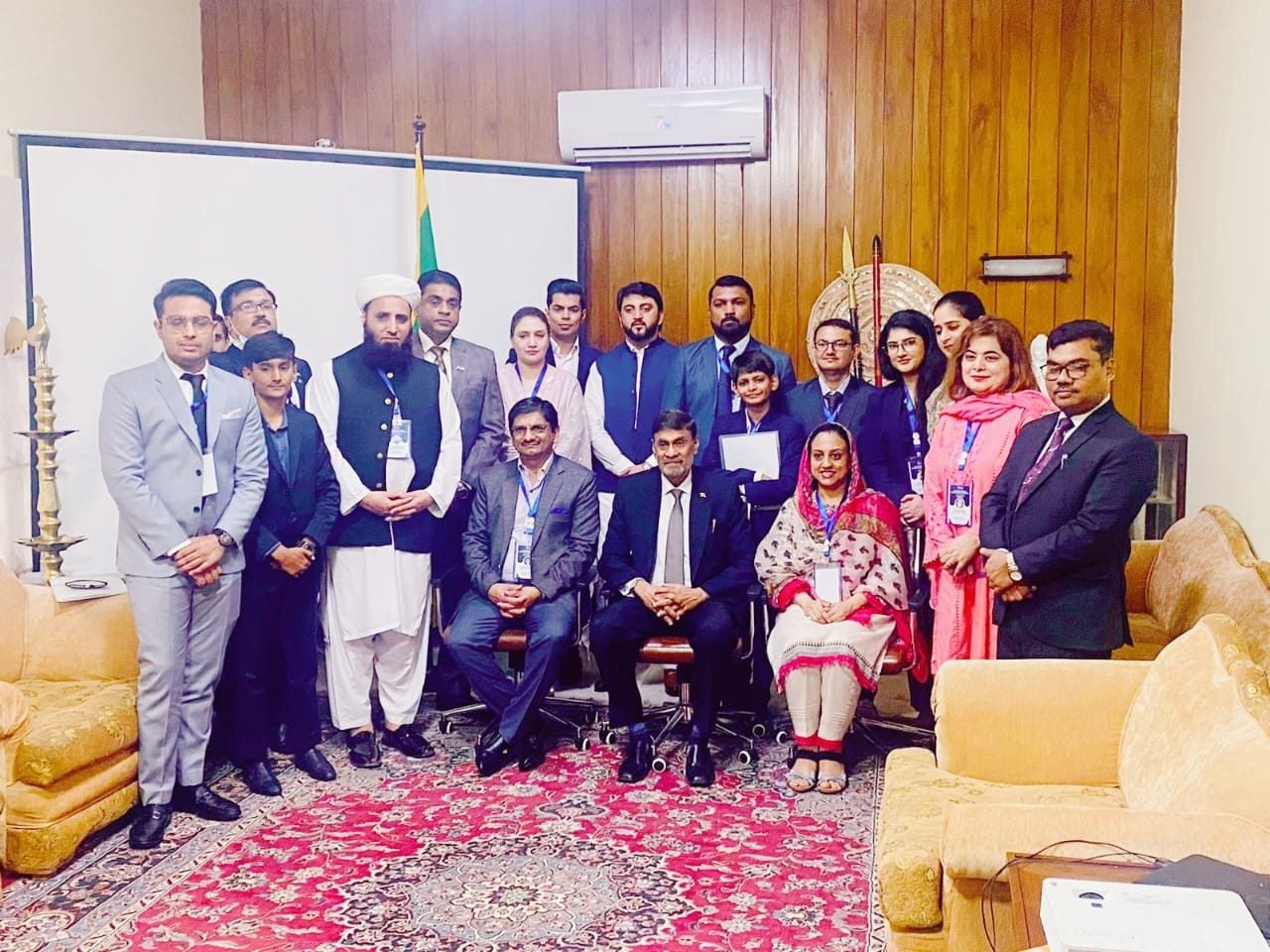
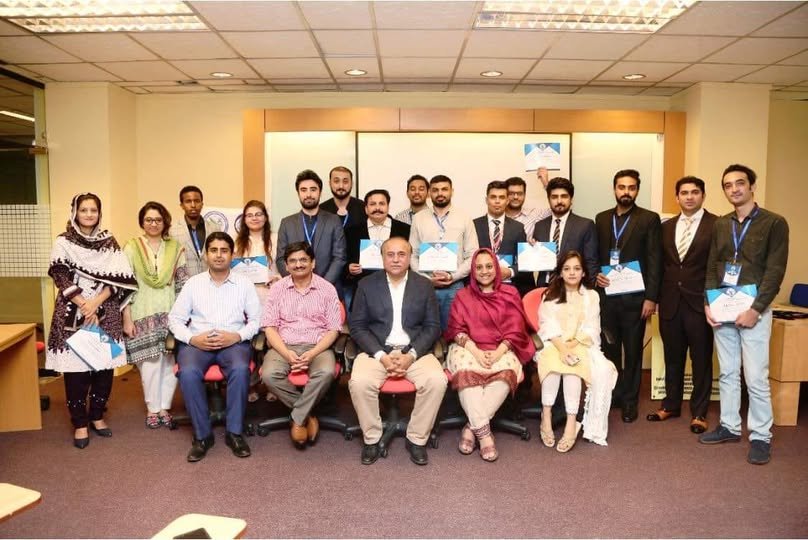
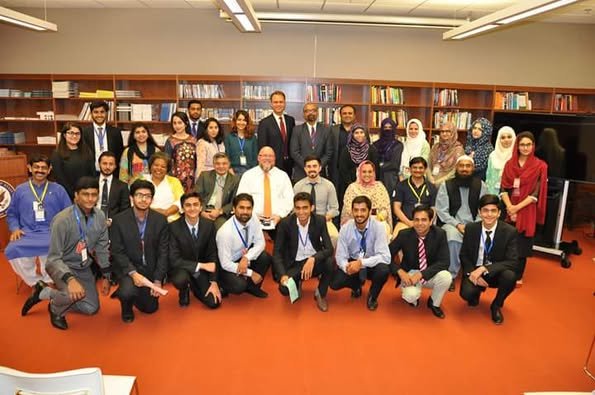
The full record of the International Young Diplomats School: every edition, the missions and organisations each cohort visited, the people who received them, and the reports and photographs of each session.
Apply for the 8th IYDSPartner missions
Reports are by The Diplomatic Insight, IPDS’s sister publication, and IPDS. Names and titles are as they were at the time of each visit. Record updated 30 September 2026.
Islamabad
Theme: Building Network of Future Leaders through Public Diplomacy
11 engagements with missions and organisations
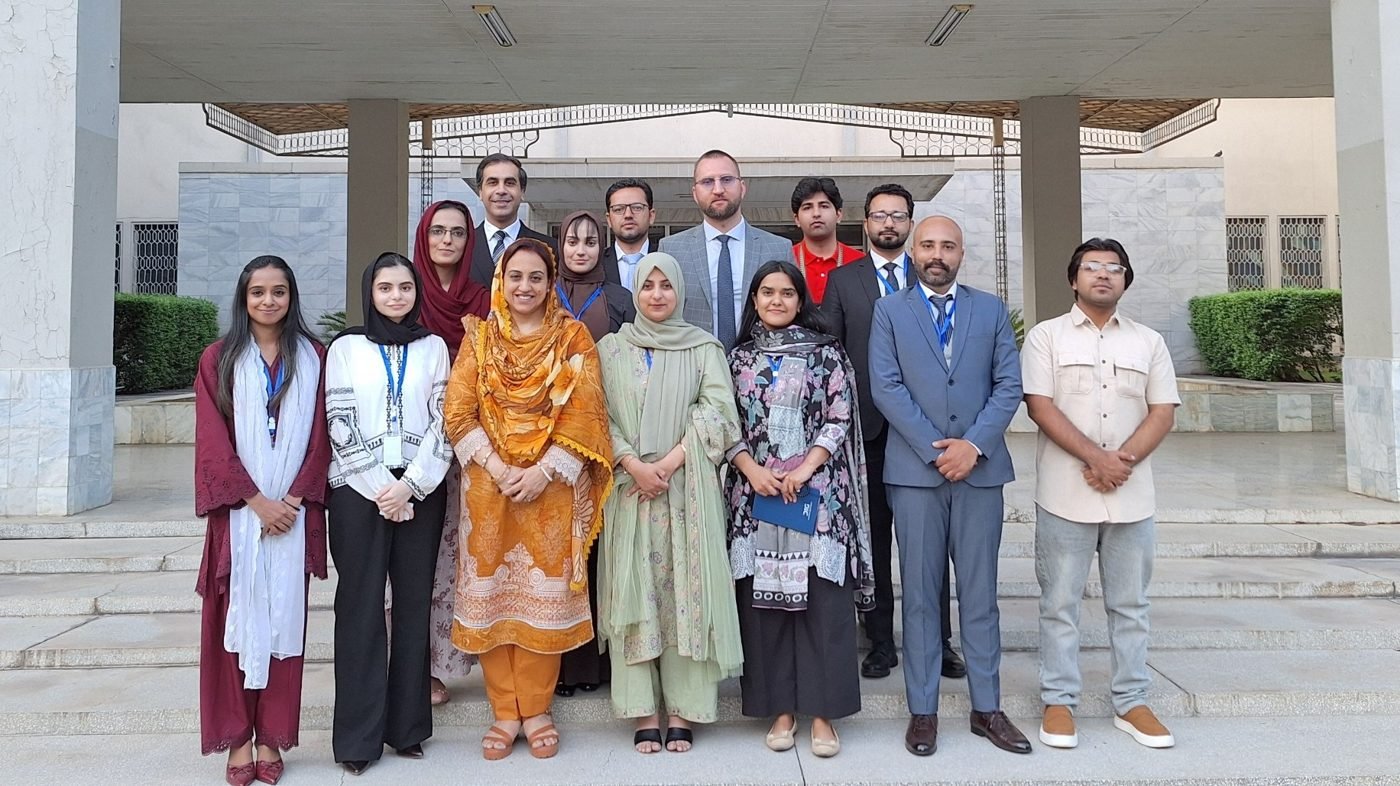
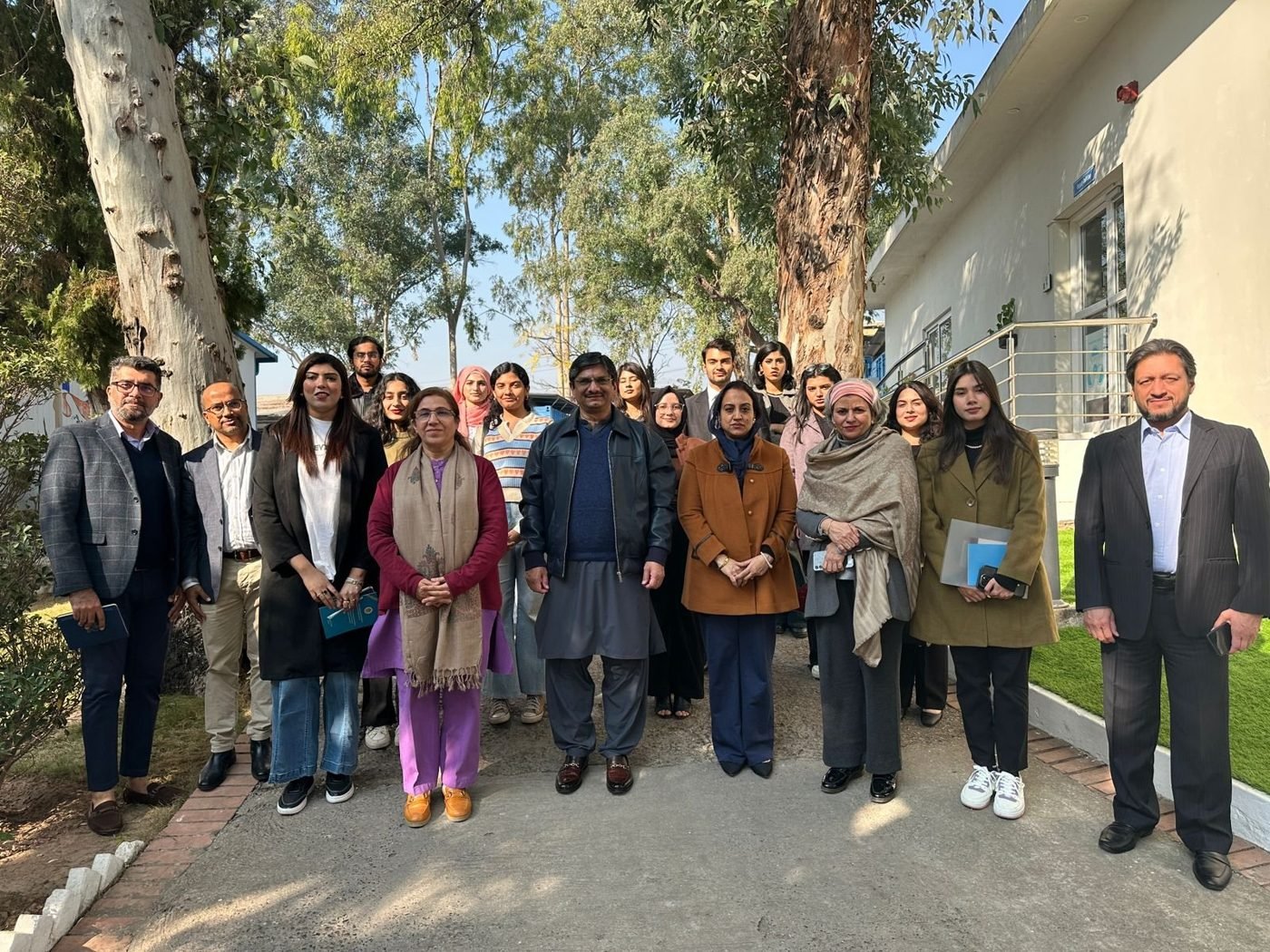
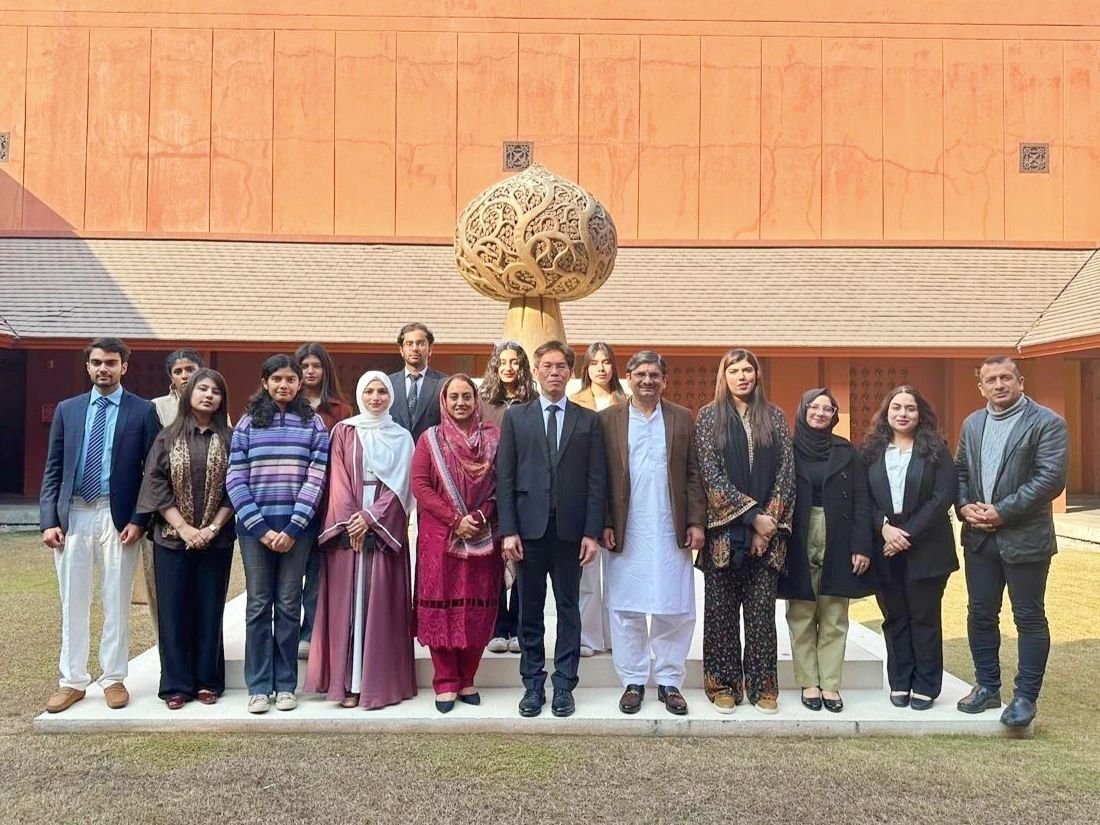
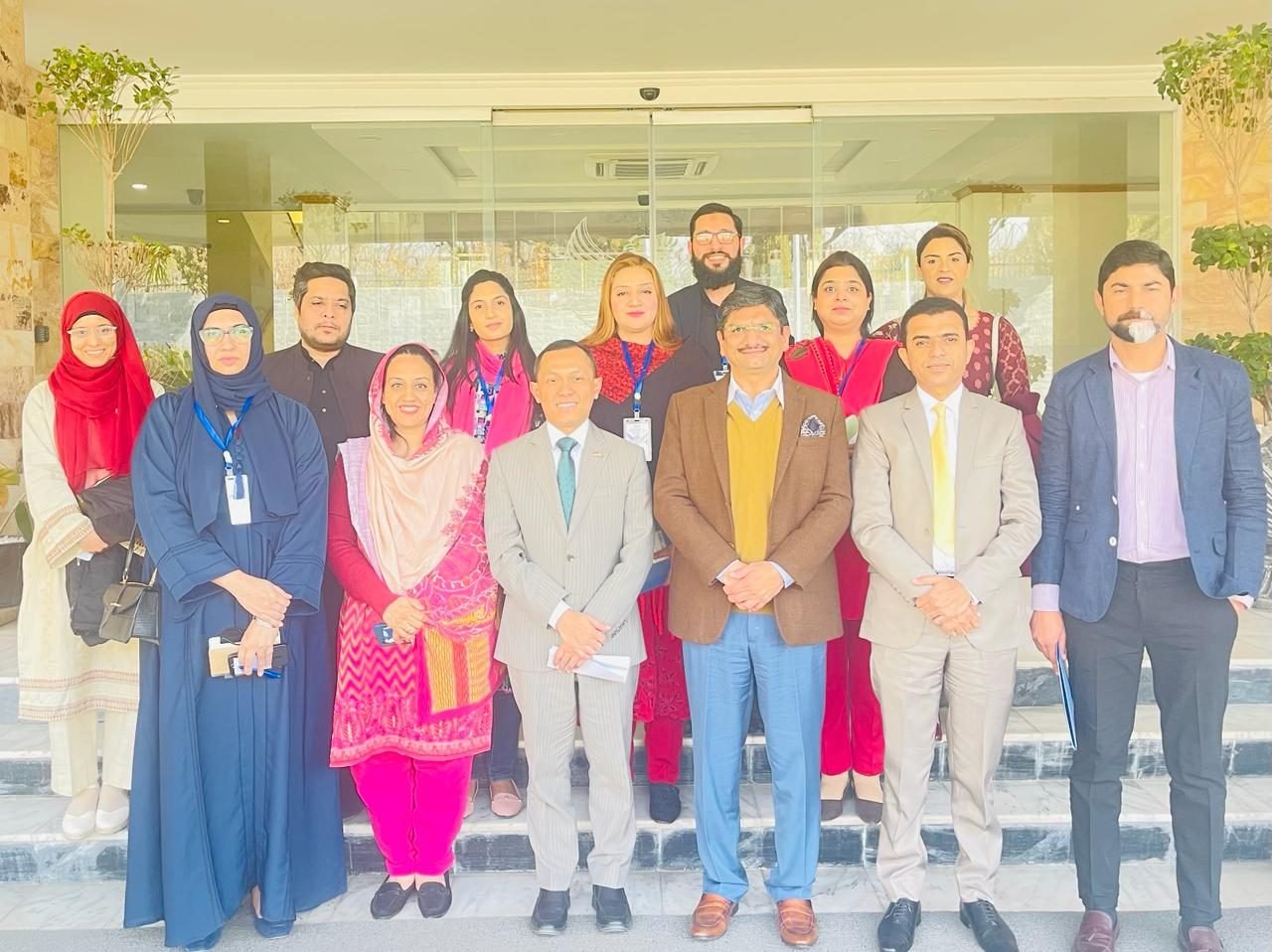
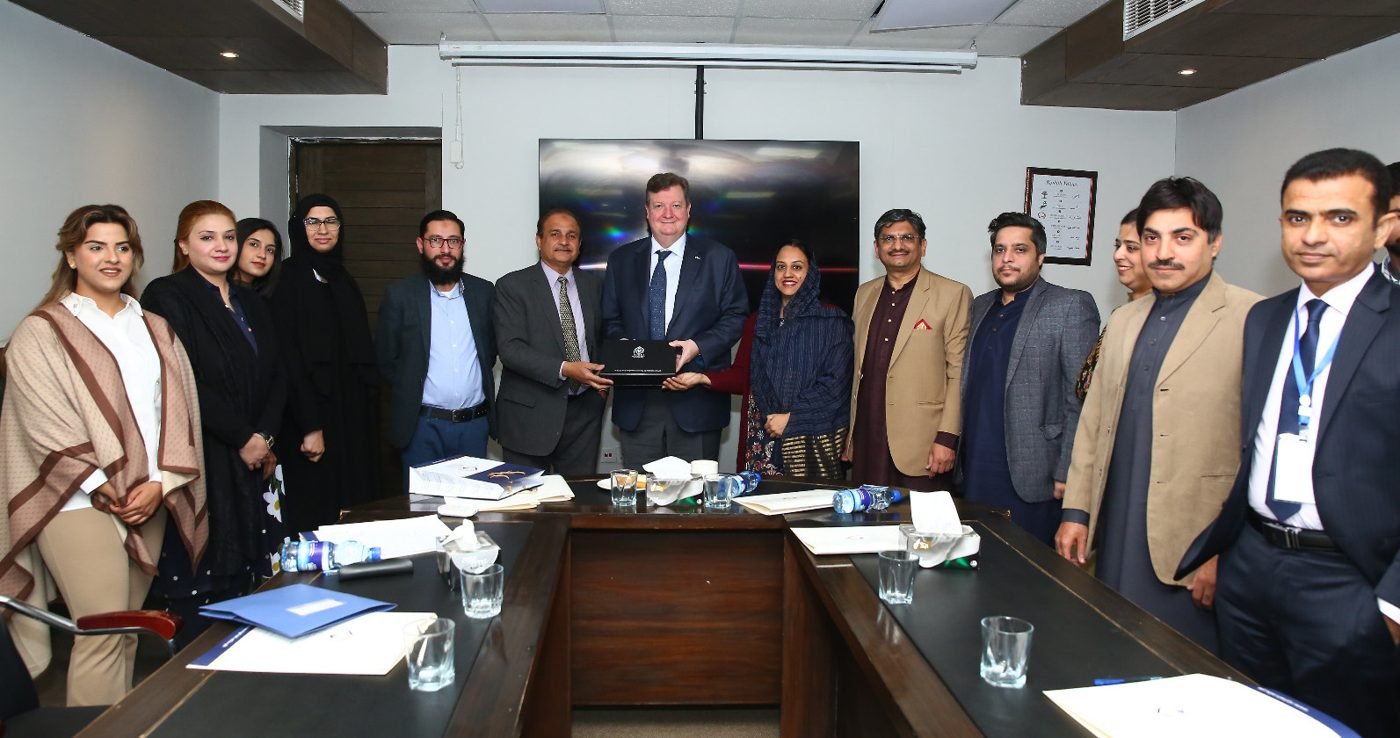
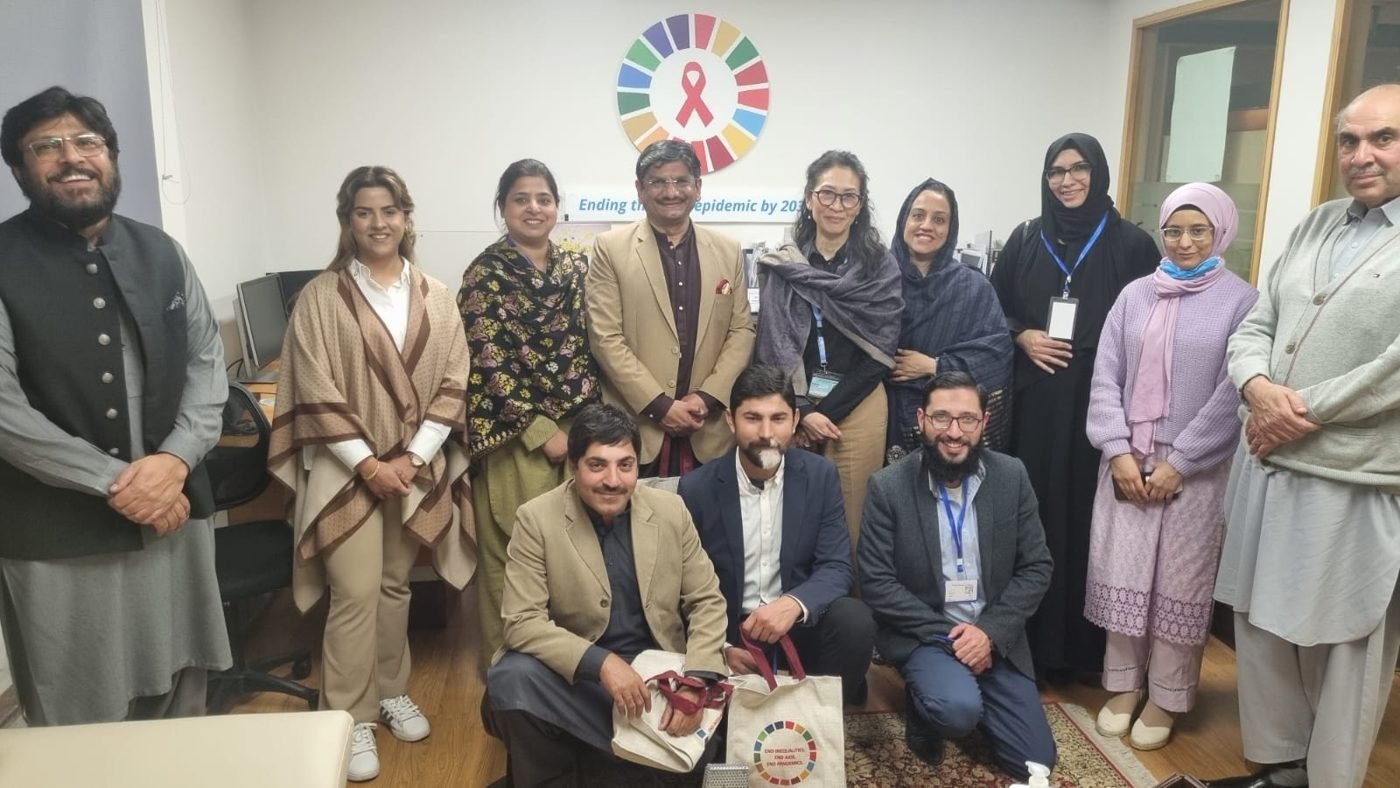
Eleven engagements in three days, including the missions of three permanent members of the UN Security Council, and a session at the UN Resident Coordinator's Office with UNFPA, UNICEF and UNDP. The school opened the evening before with the U.S. Embassy's Freedom 250 Speaker Series on exchange programmes.
Prelude: the Freedom 250 Speaker Series on how U.S. exchanges build leaders and networks.

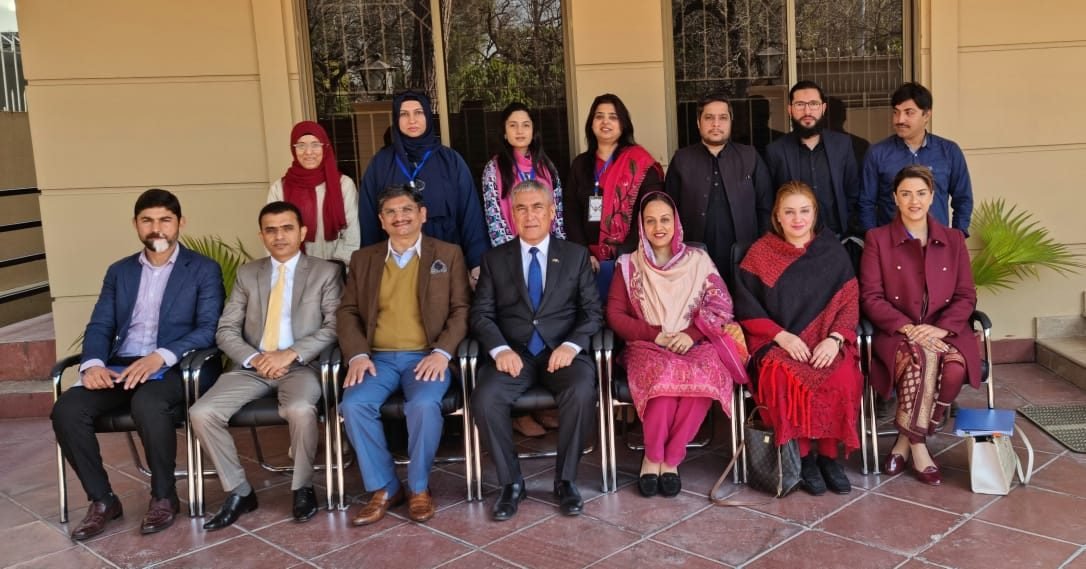
Inaugural session: “an embassy is a bridge between two countries”.
Read the report →
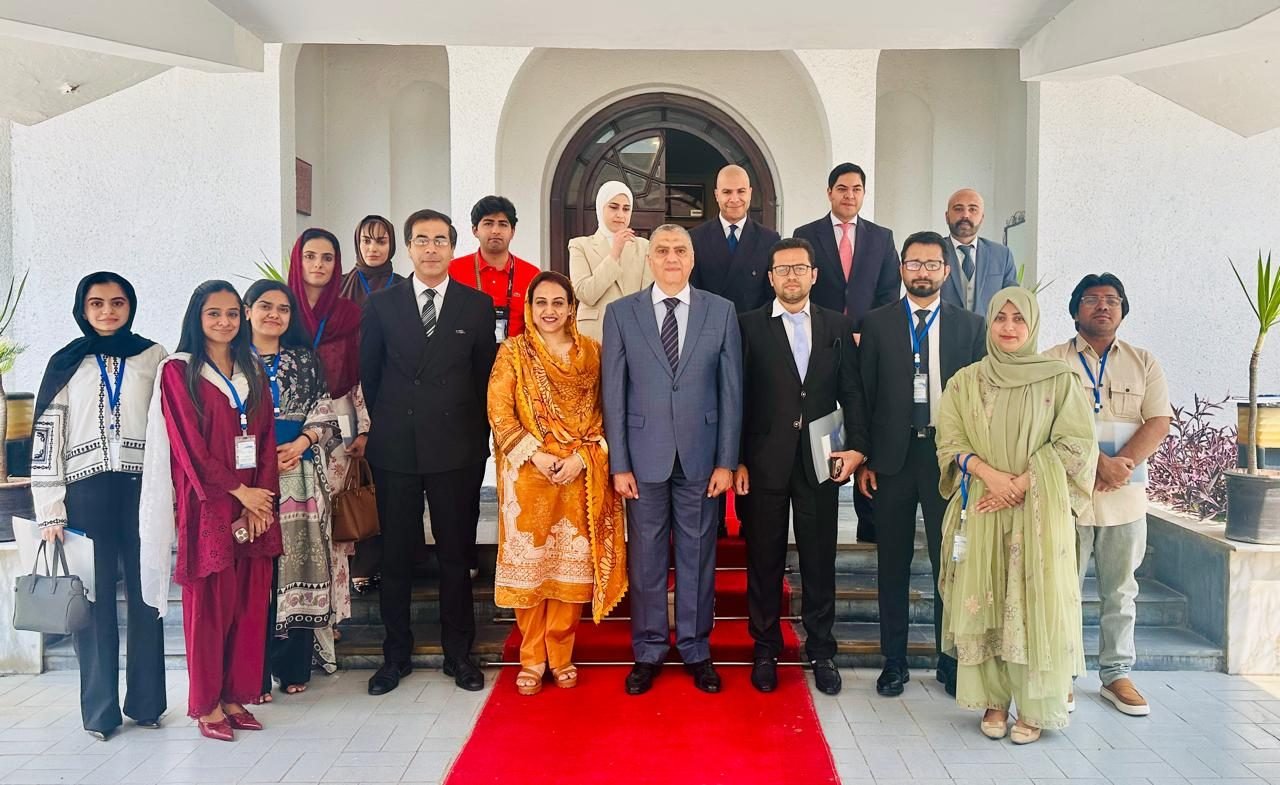
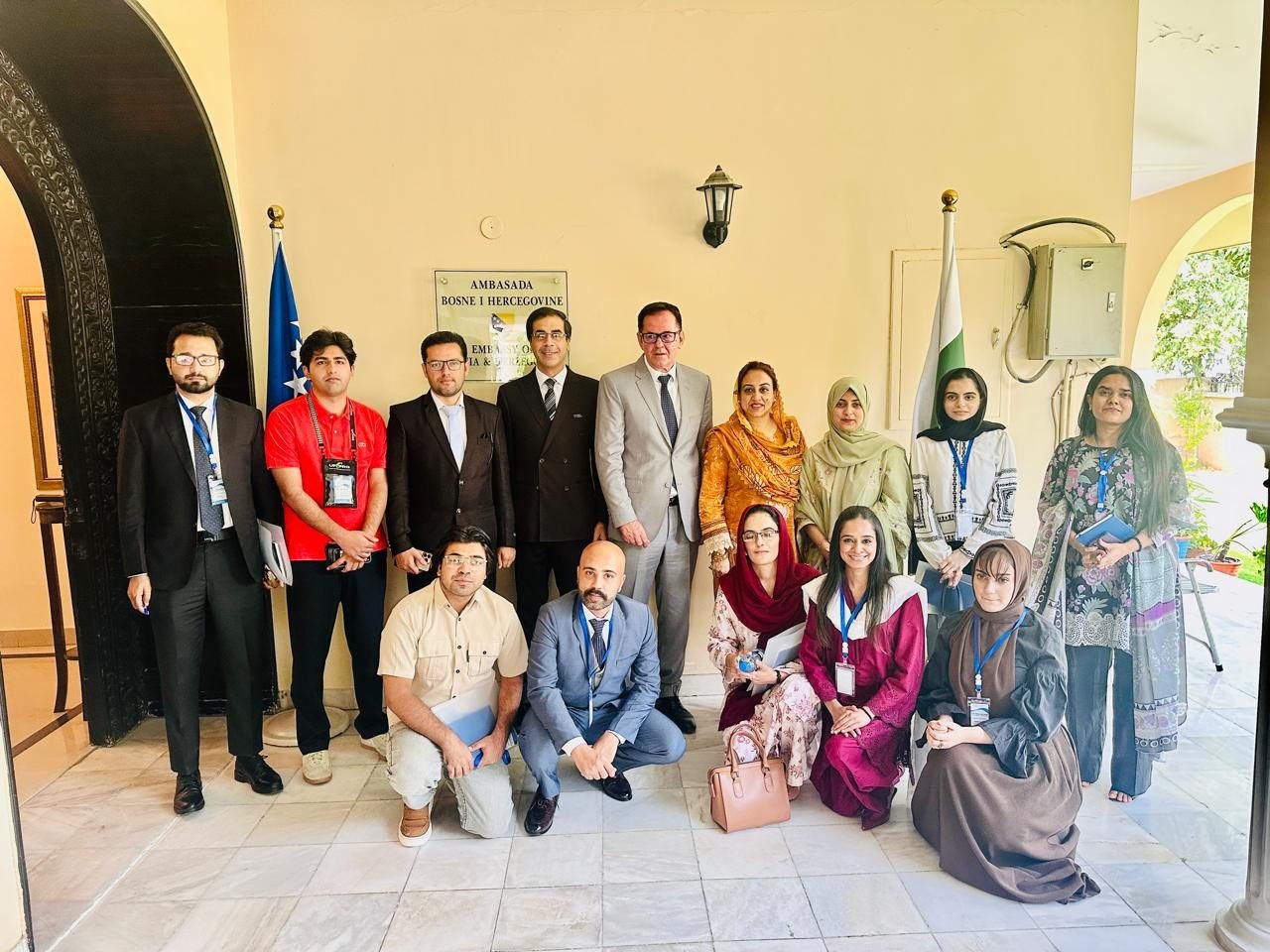
Bosnia and Herzegovina’s foreign policy, its diaspora, and its ties with Pakistan.
Read the report →
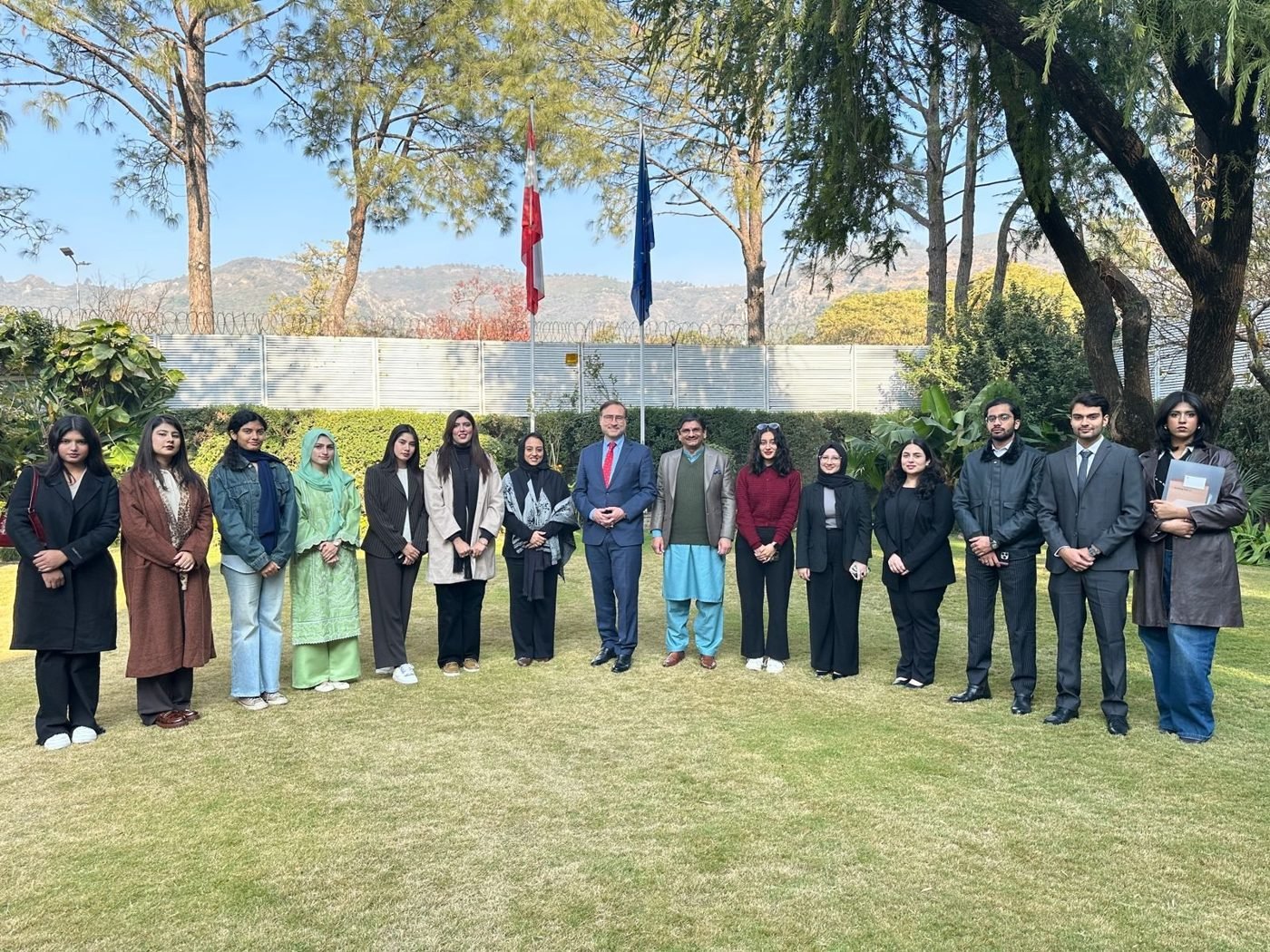
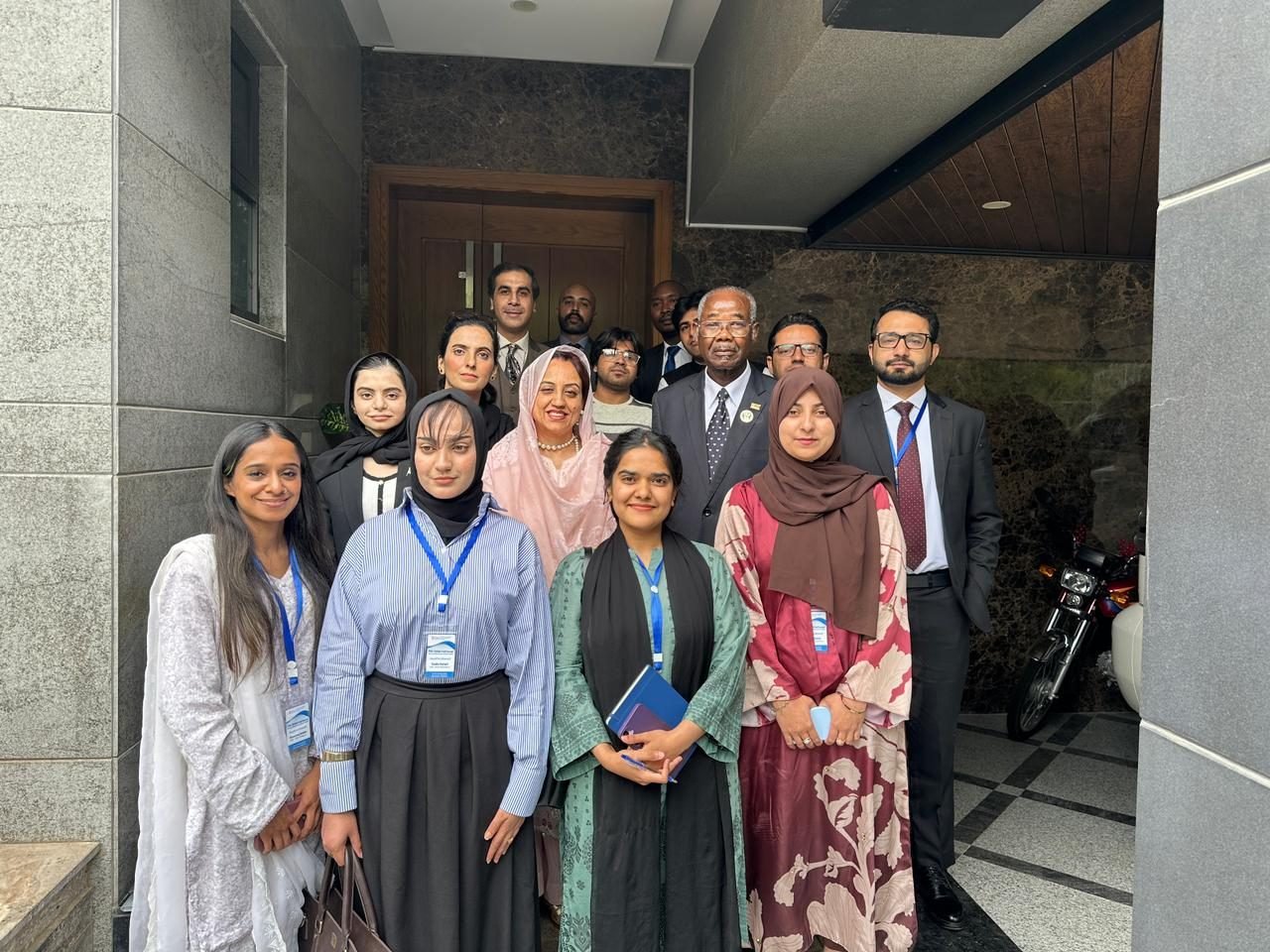
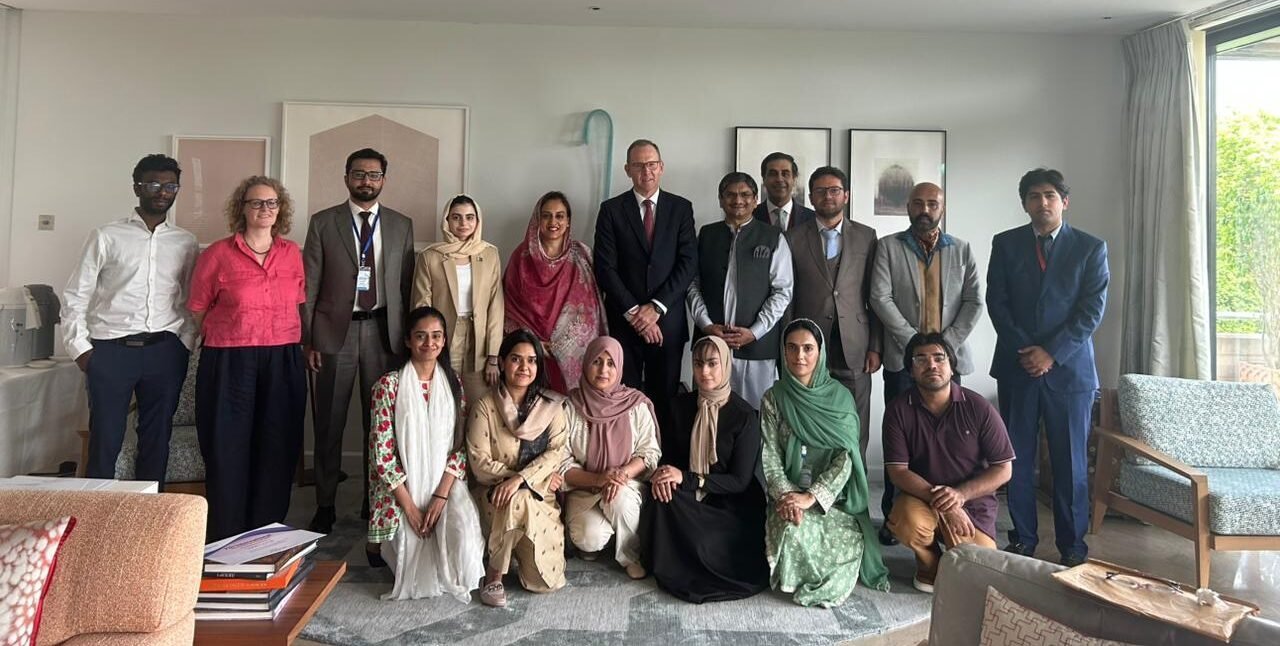
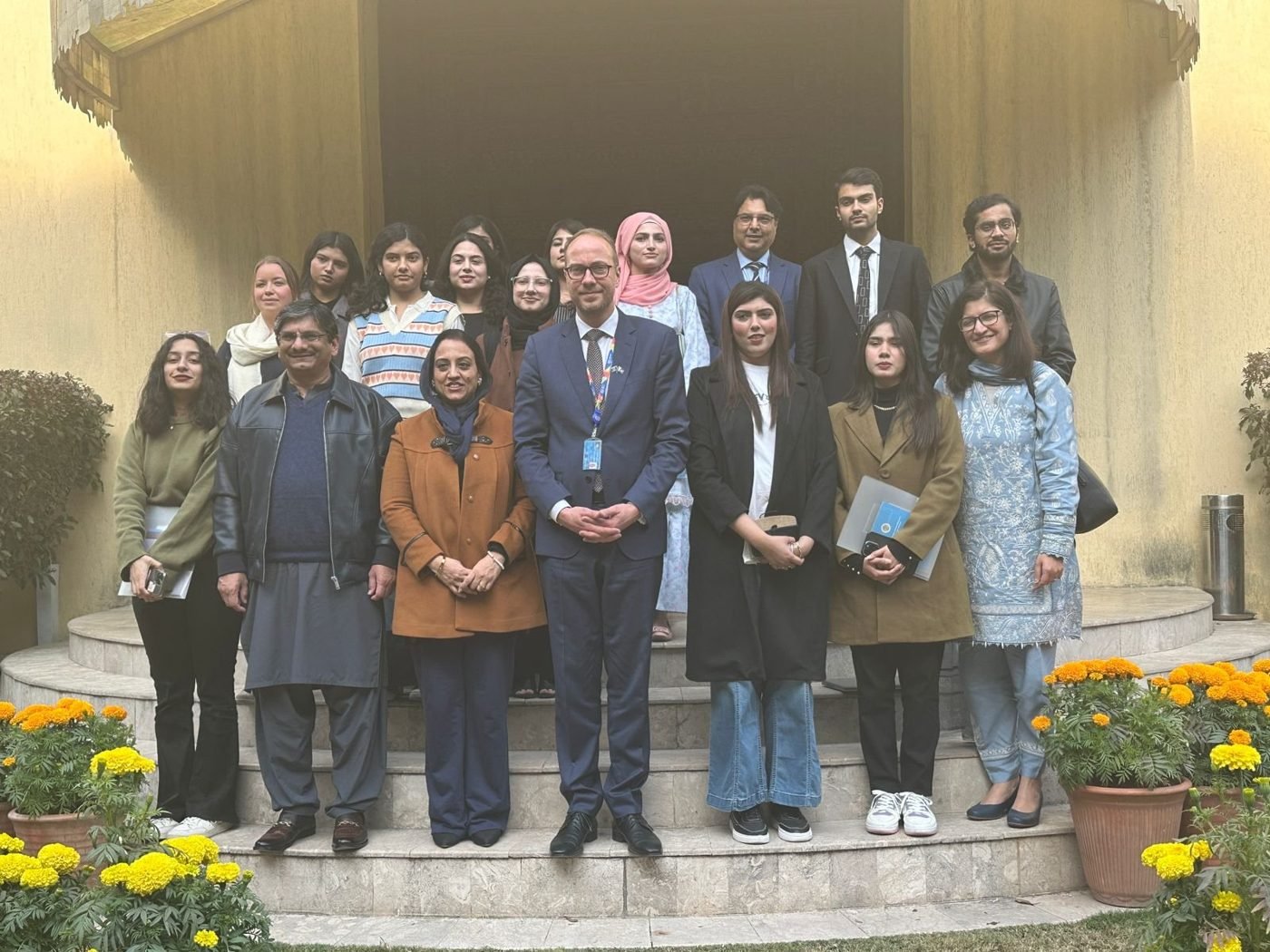
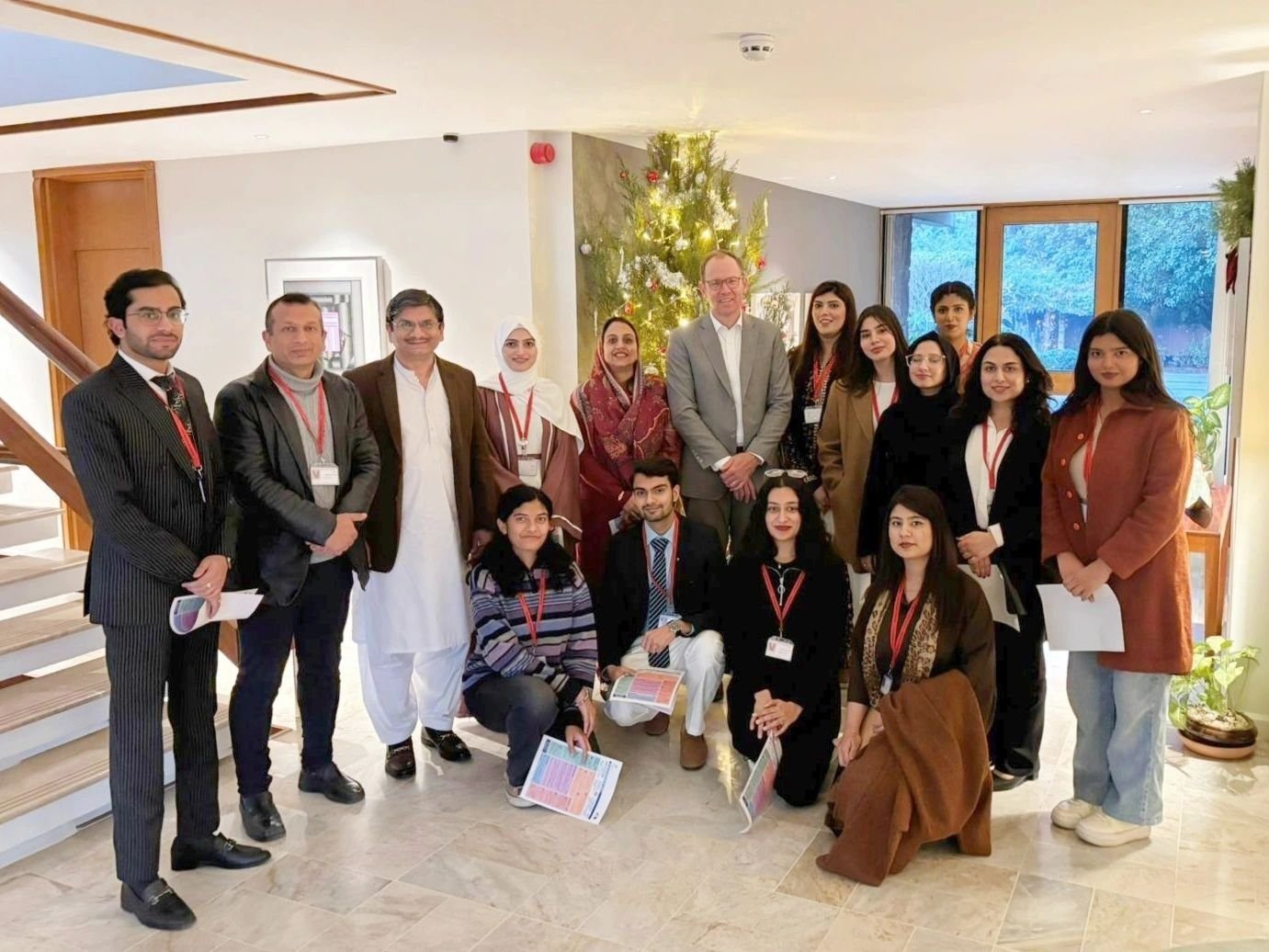
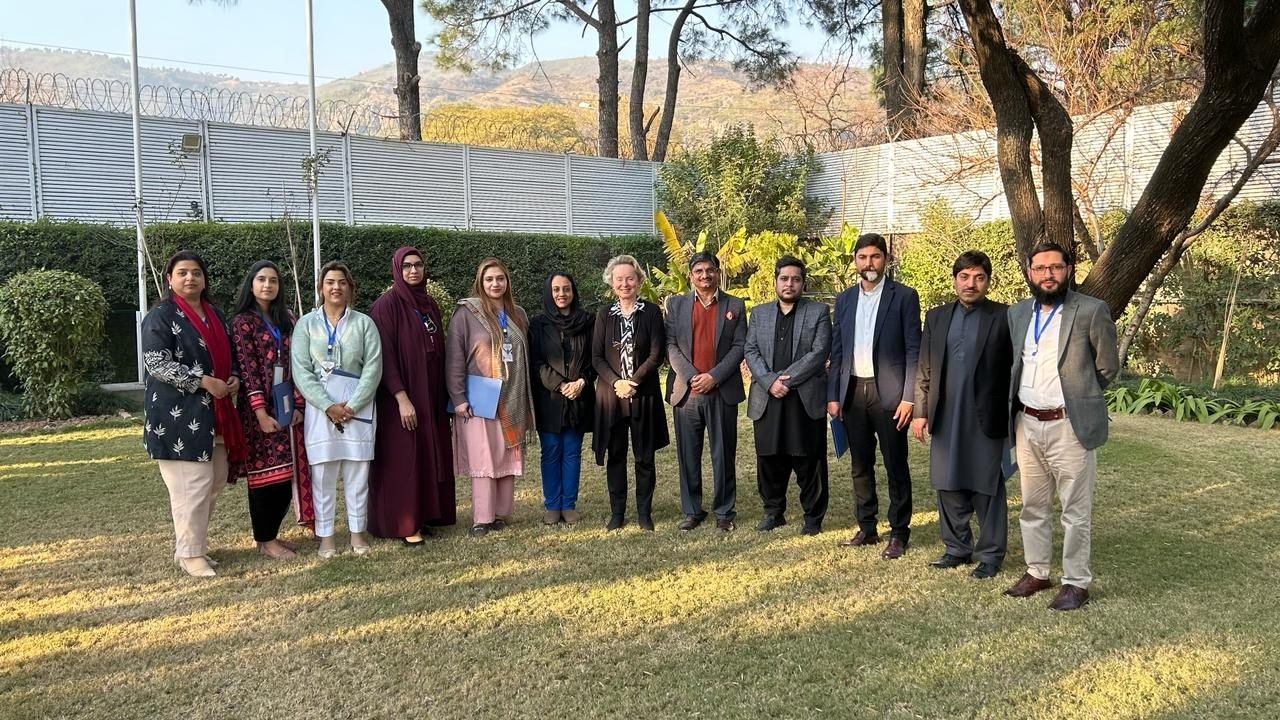
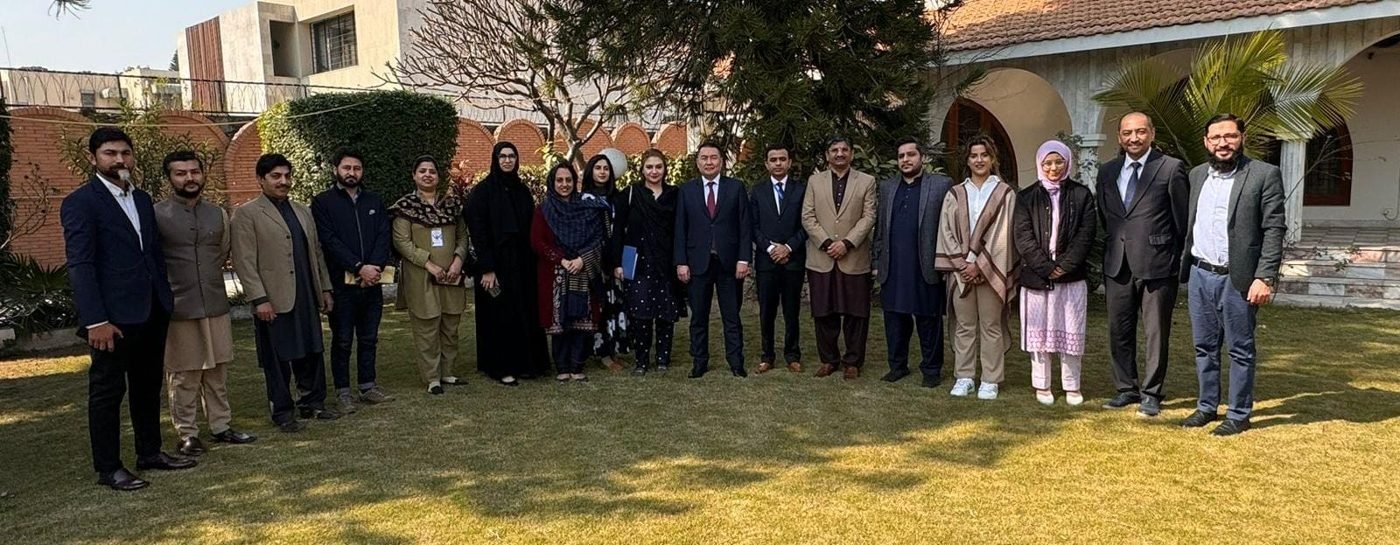
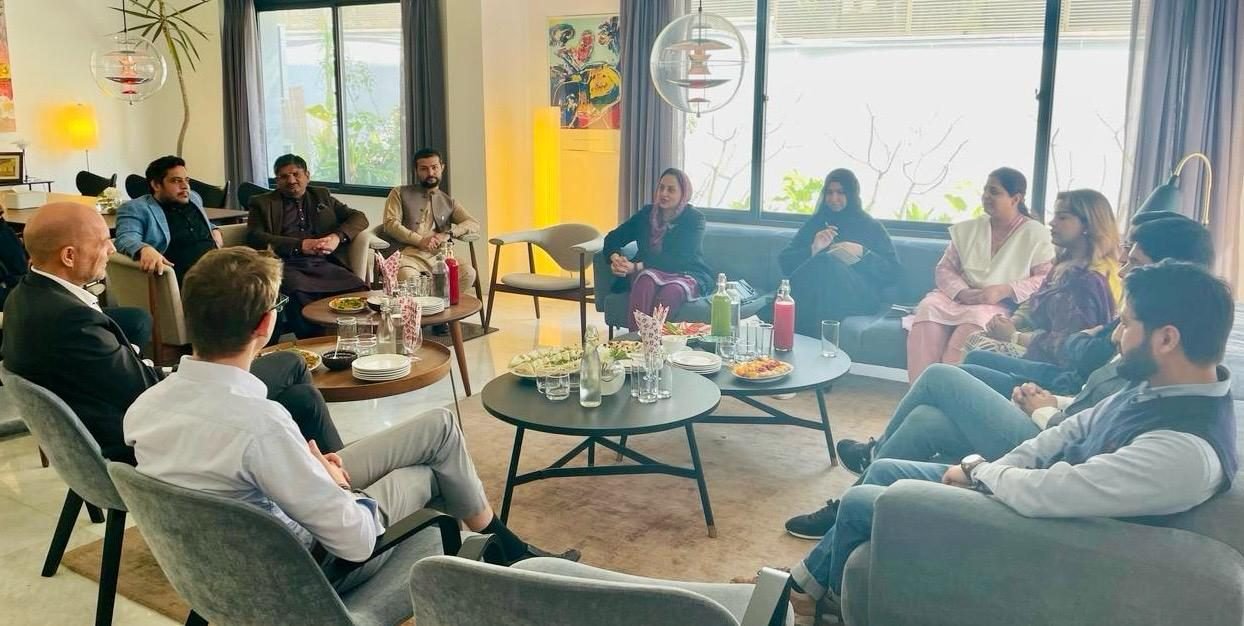
At the residence: Denmark’s mission, Nordic values and Danish business in Pakistan.
Read the report →
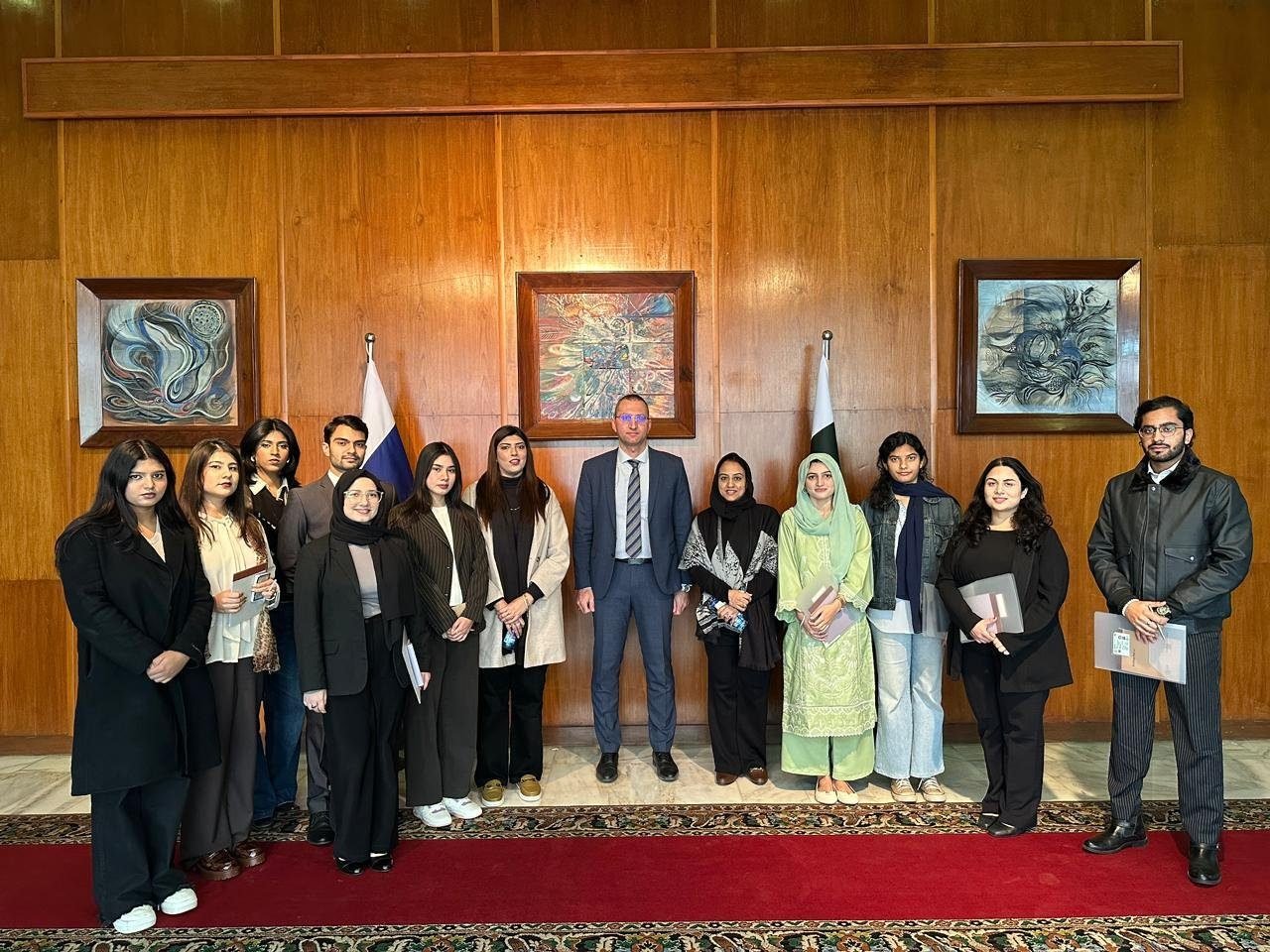
The history of Pakistan–Russia relations, and scholarships for Pakistani students.
Read the report →
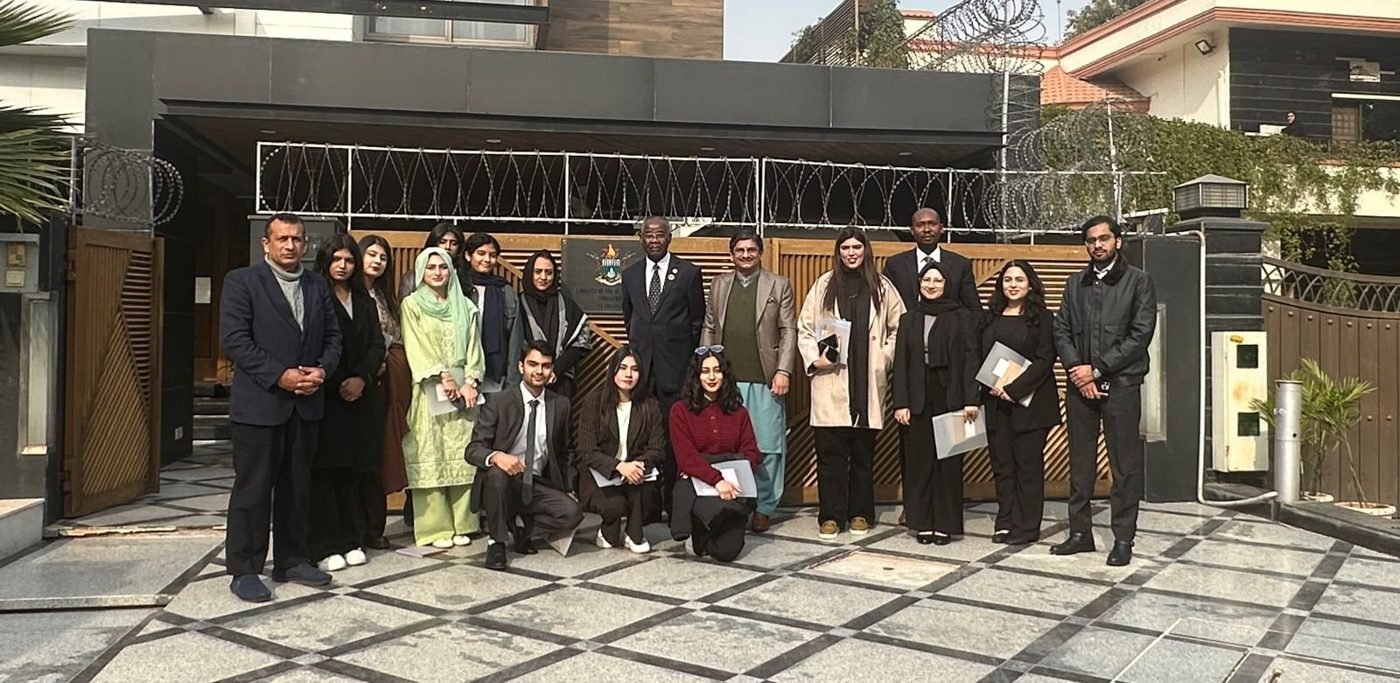
Zimbabwe’s foreign policy doctrine and its people-to-people ties with Pakistan.
Read the report →
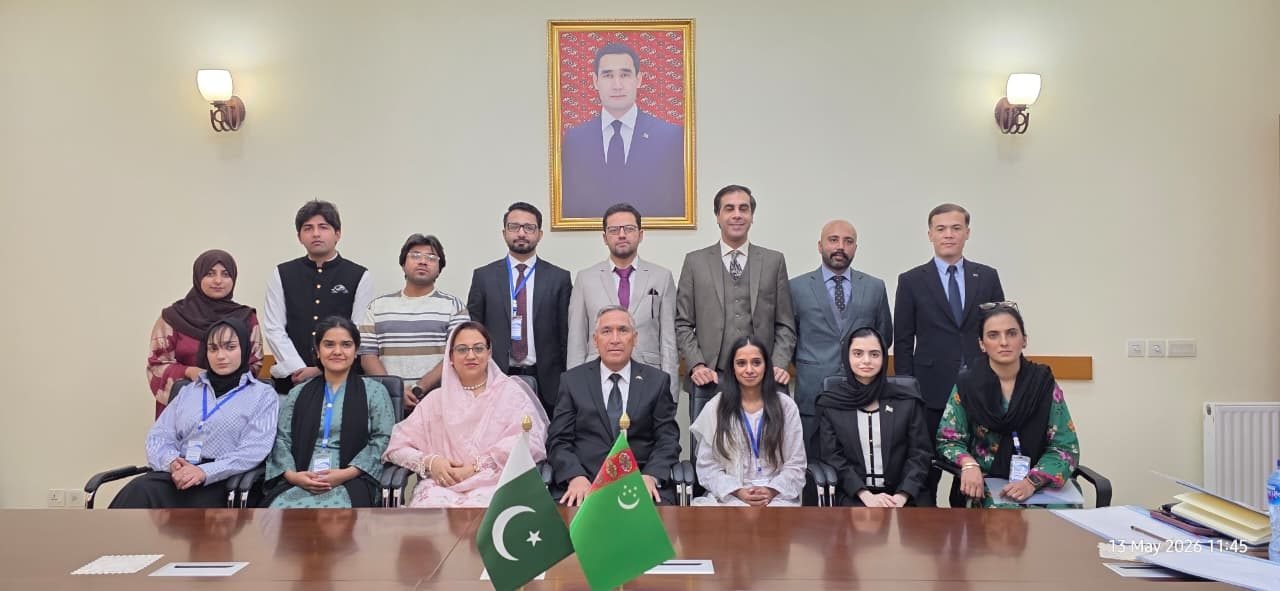
Permanent neutrality and shared heritage; the Ambassador presented certificates.
Read the report →
“Diplomacy is not just confined to signing agreements”, and a tour of the embassy.
Read the report →
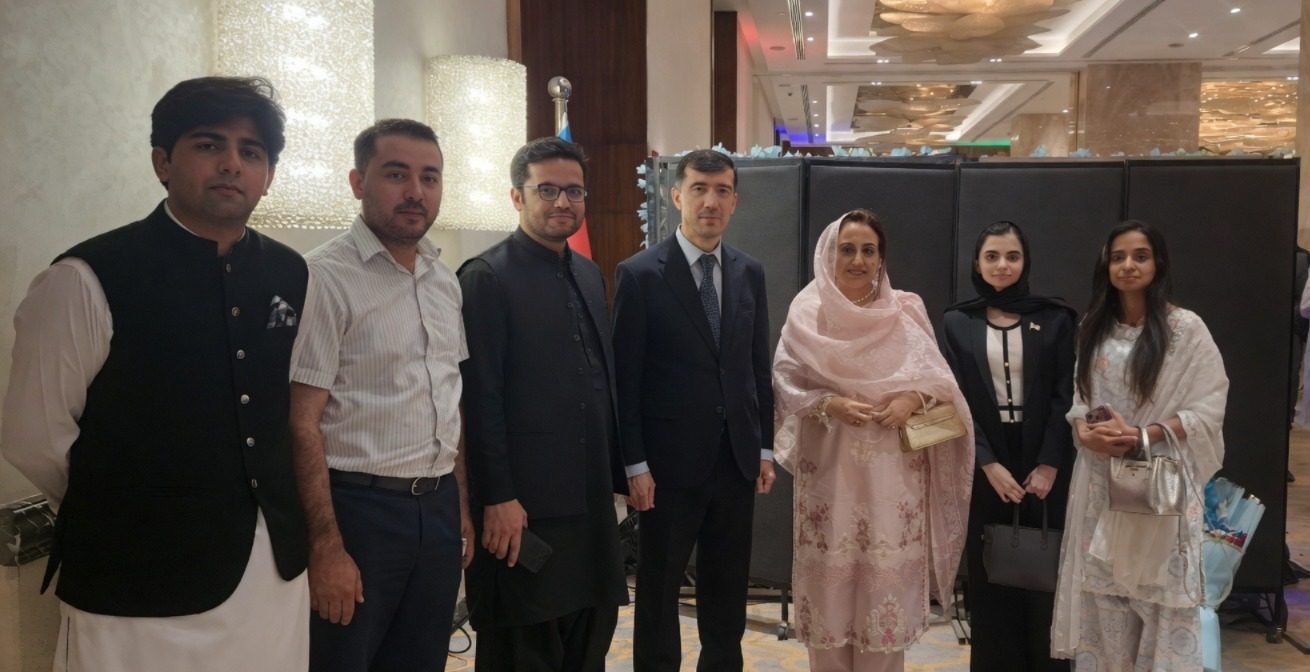
Selected participants were invited to the Independence Day reception.
Read the report →
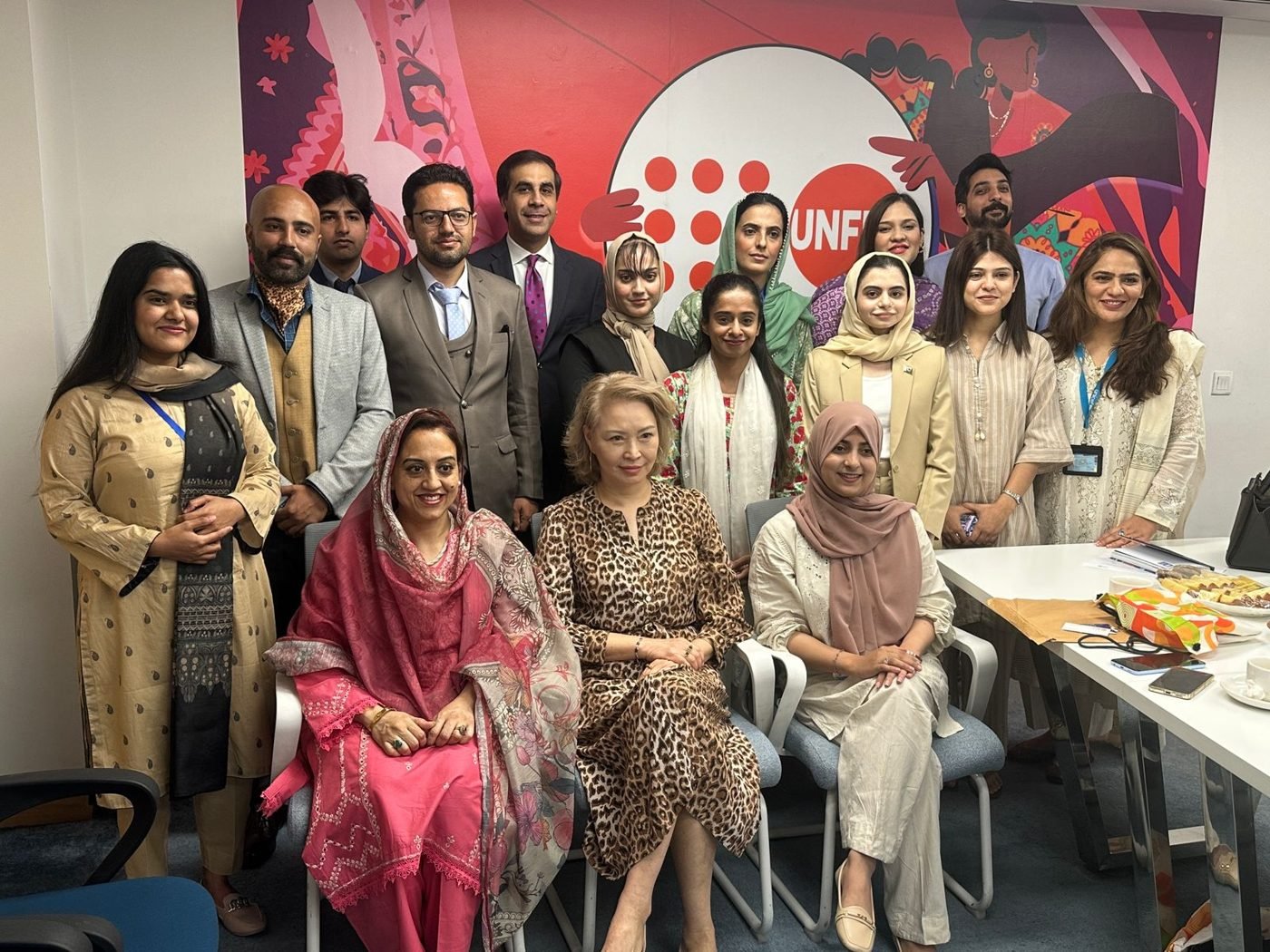
The UN system at work in Pakistan: “young people are not a homogenous group”.
Read the report →
Closing session at the residence, with the Political Counsellor and an economist of the High Commission.
Read the report →Islamabad
Theme: Building Network of Future Leaders through Public Diplomacy
13 engagements with missions and organisations
Thirteen sessions across nine embassies and high commissions, the EU Delegation and three UN bodies, from an inaugural session at the Austrian Ambassador’s residence to a closing visit at the British High Commission.

Inaugural session at the residence: education, business and tourism links with Austria.
Read the report →
Zimbabwe’s history, culture and foreign policy values.
Read the report →
A guided tour and a briefing on the key events that shape Pakistan–Russia relations.
Read the report →
Governance, climate action and inclusive development.
Read the report →
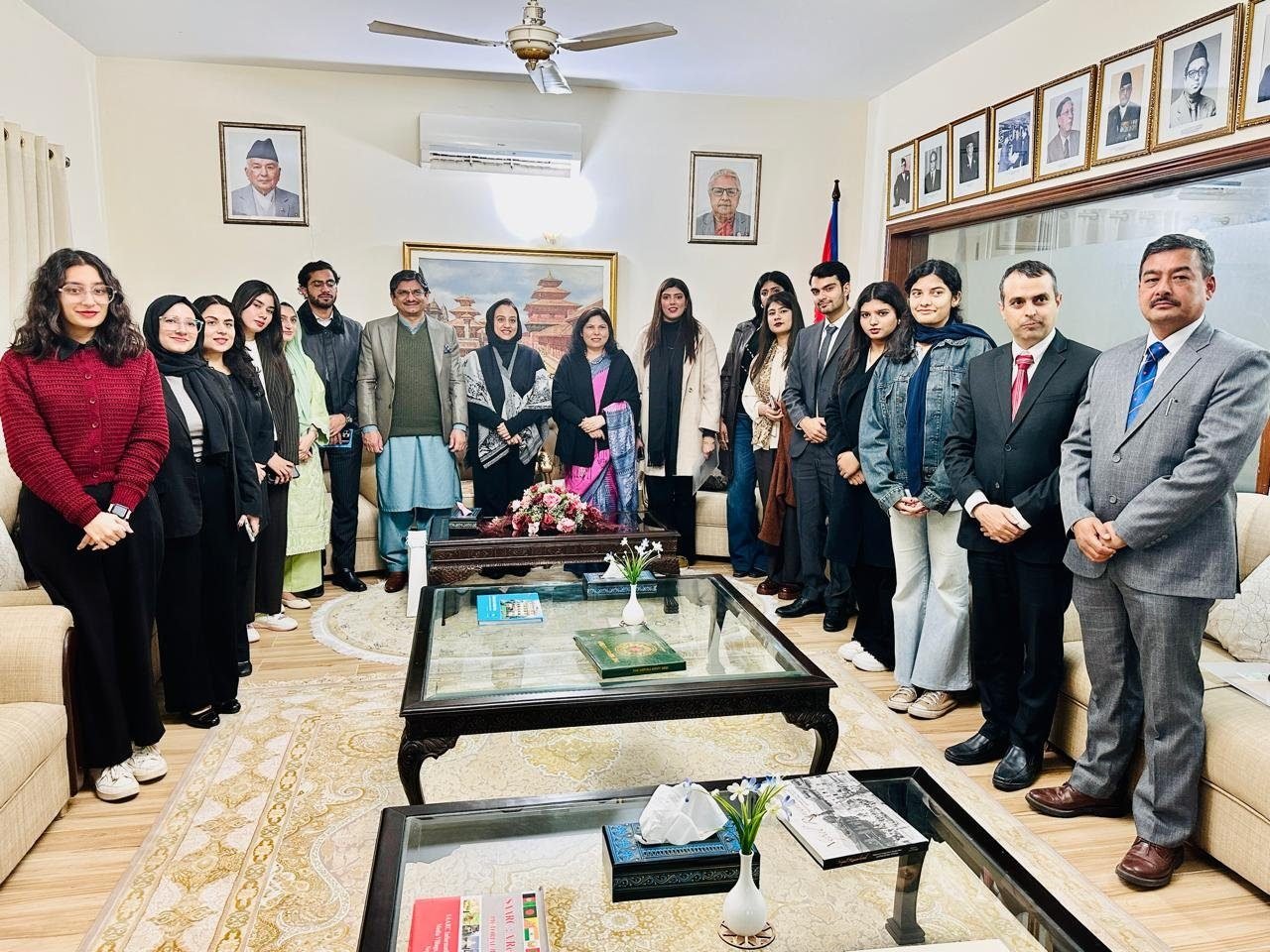
Nepal’s ties with Pakistan and areas for closer cooperation.
Read the report →
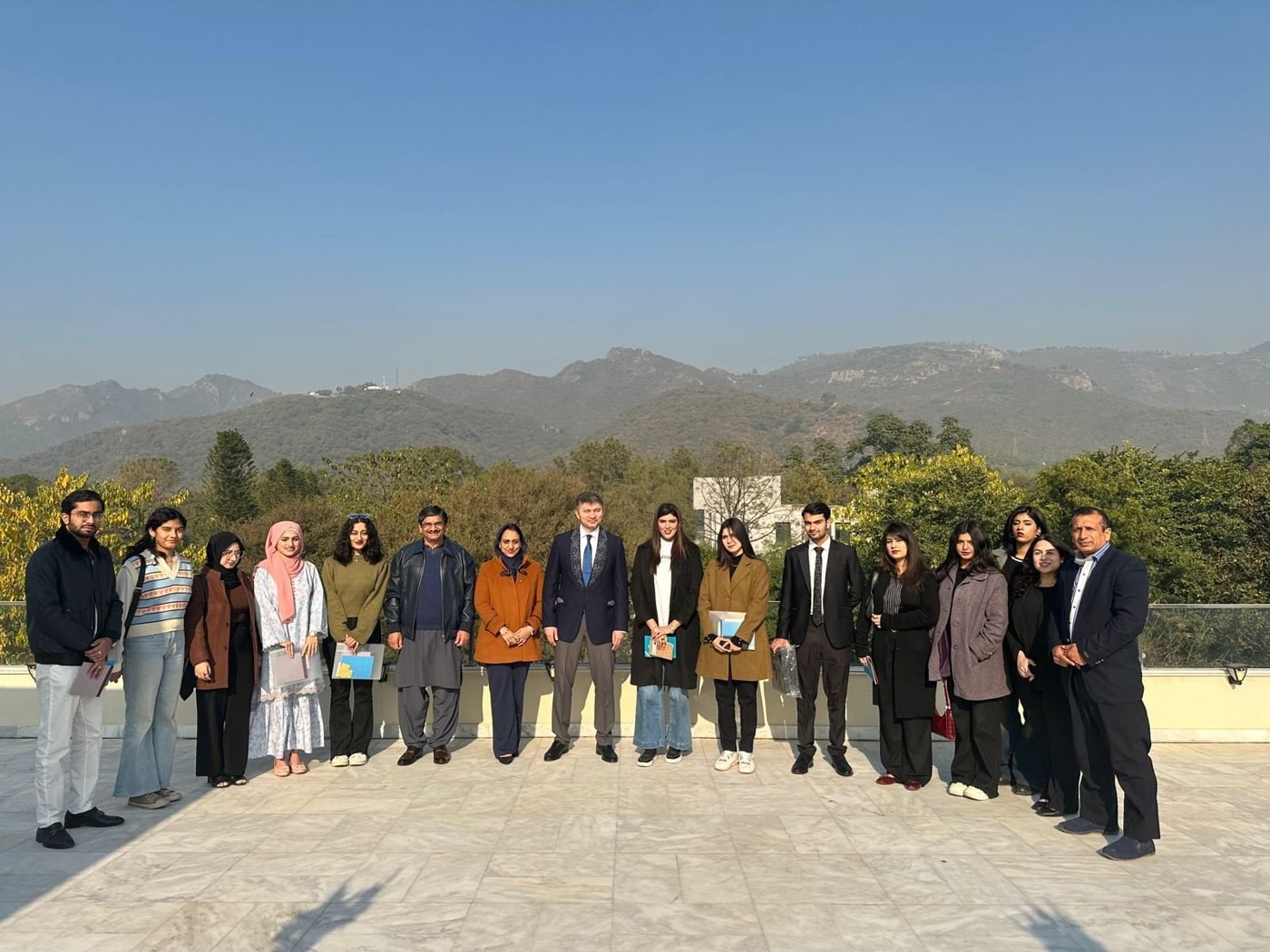
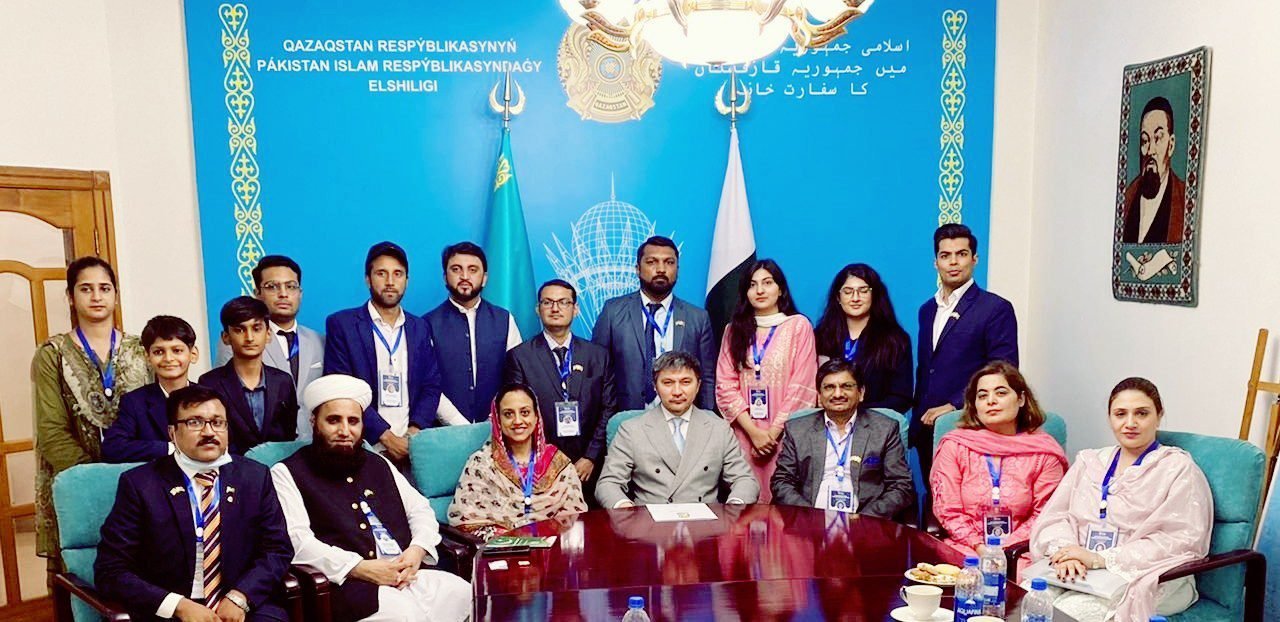
“Kazakhstan and Pakistan in the 21st Century”.
Read the report →
The humanitarian mandate, refugees and host communities in Pakistan.
Read the report →
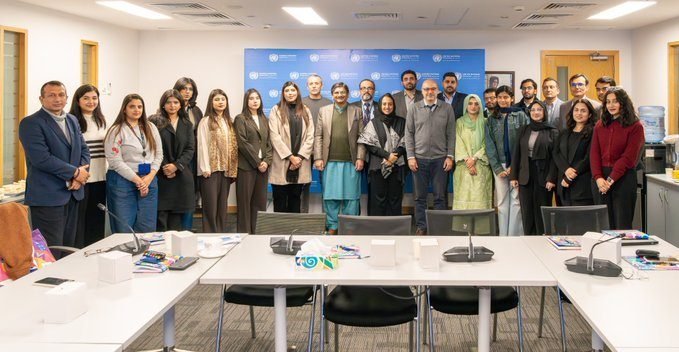
Labour rights, decent work and social protection.
Read the report →
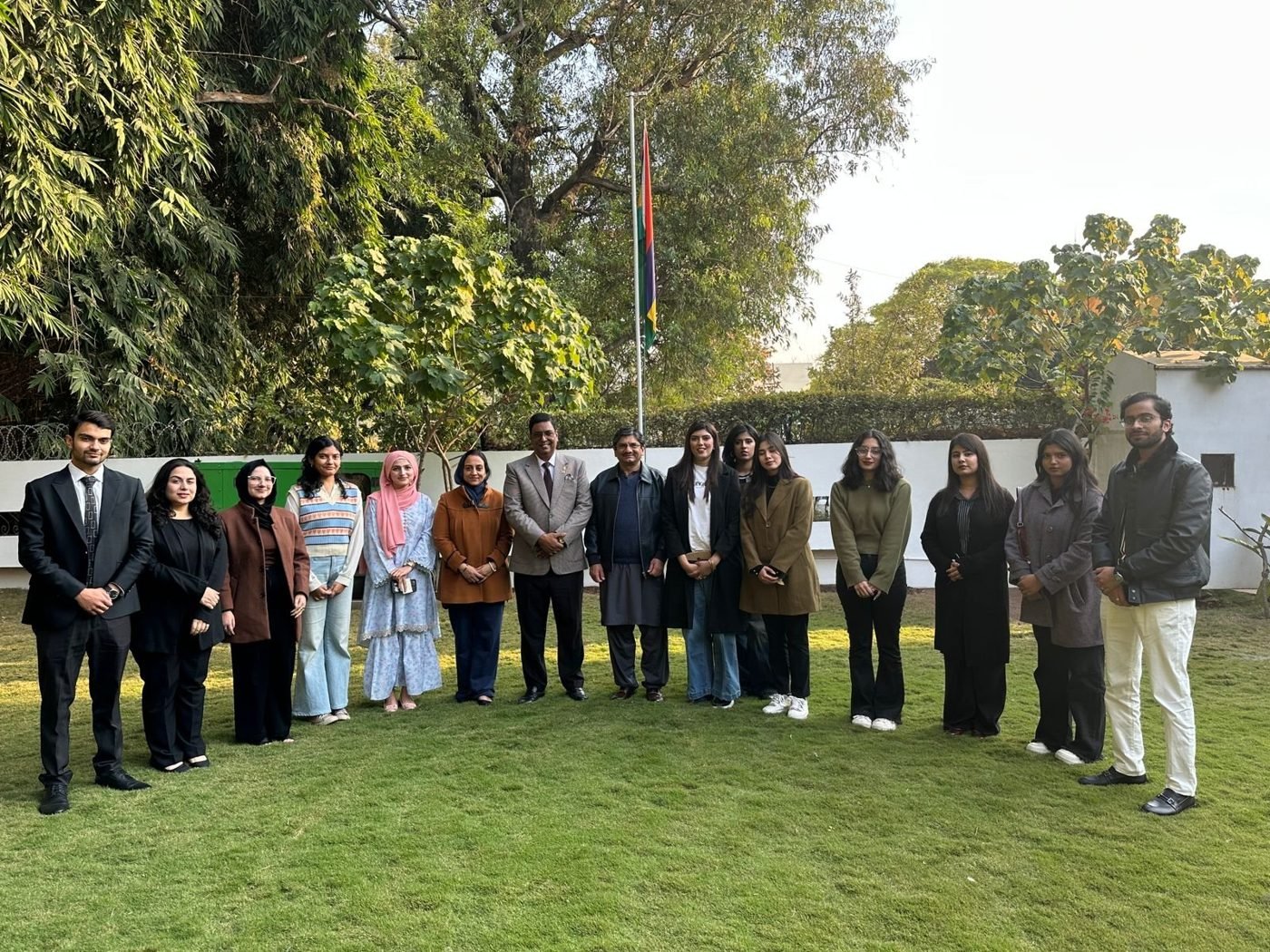
Mauritius’s diplomatic priorities, economy and culture.
Read the report →
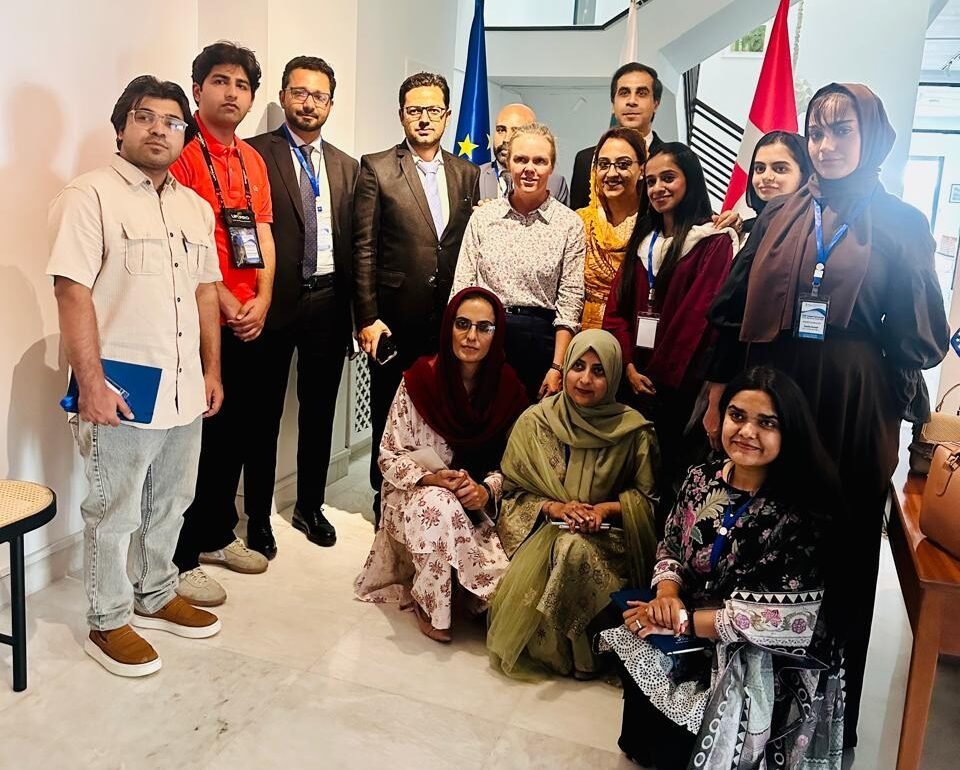
EU–Pakistan relations and the EU as a multilateral actor.
Read the report →
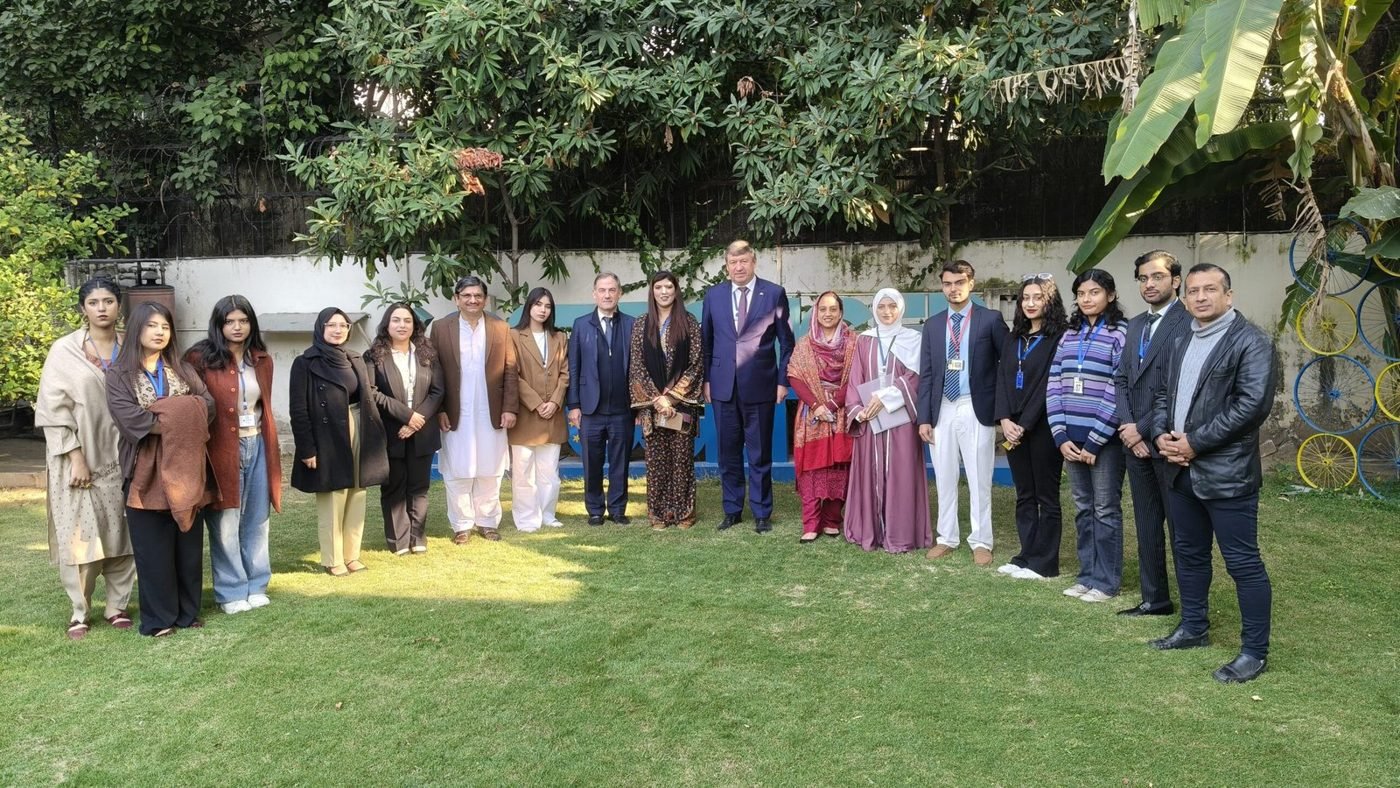
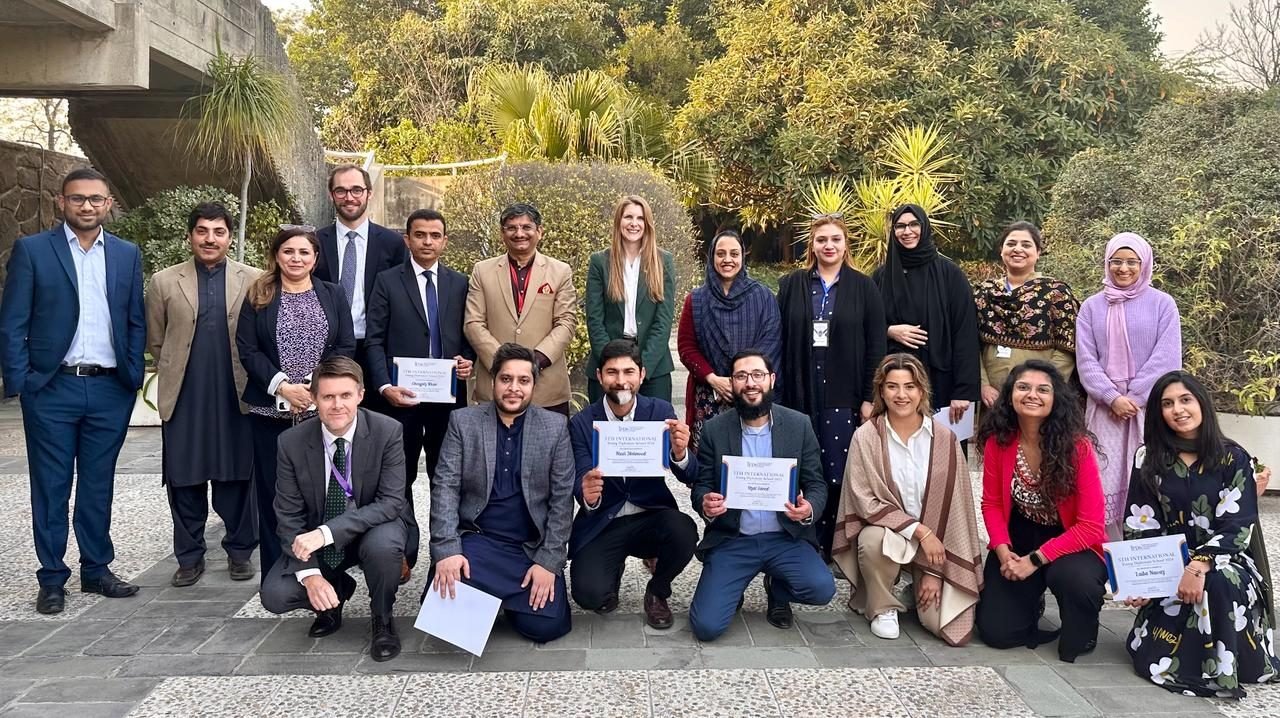
The responsibilities of a diplomat; the Ambassador presented certificates.
Read the report →
Cooperation in education, tourism and people-to-people exchange.
Read the report →
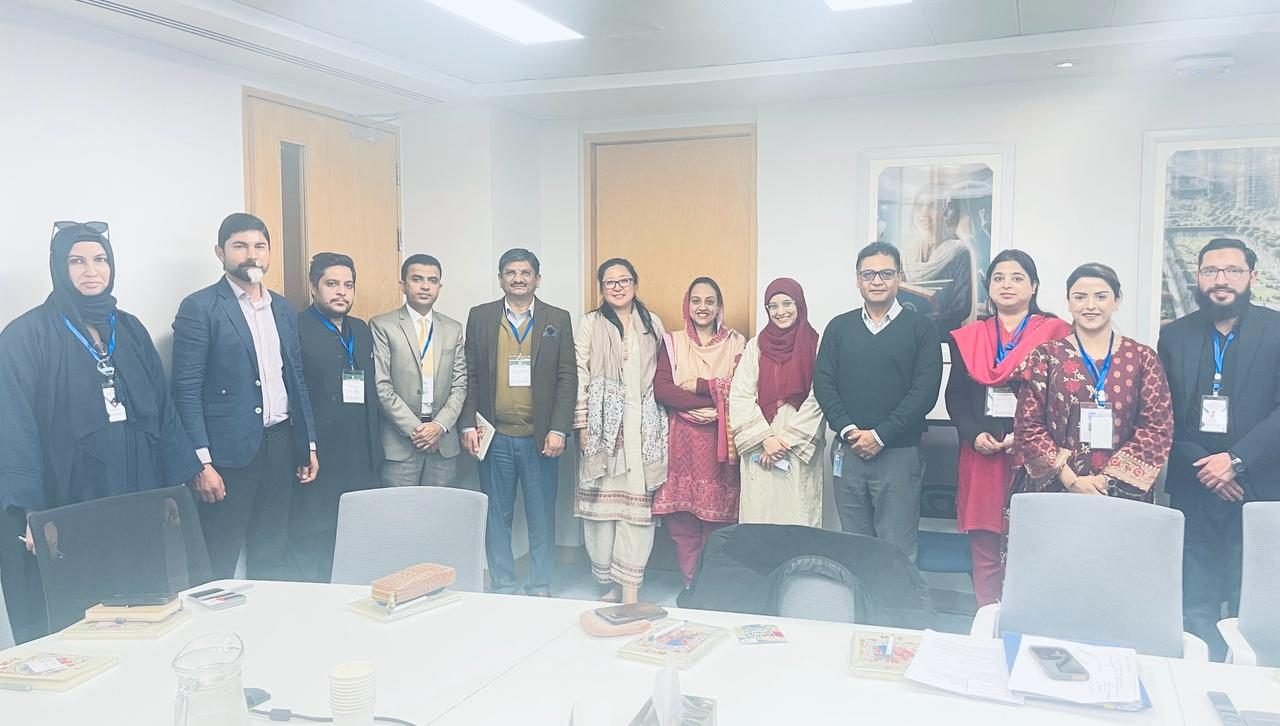
Closing session: UK–Pakistan relations and cooperation.
Read the report →Islamabad, with sessions hosted at the Riphah Institute of Public Policy
12 engagements with missions and organisations
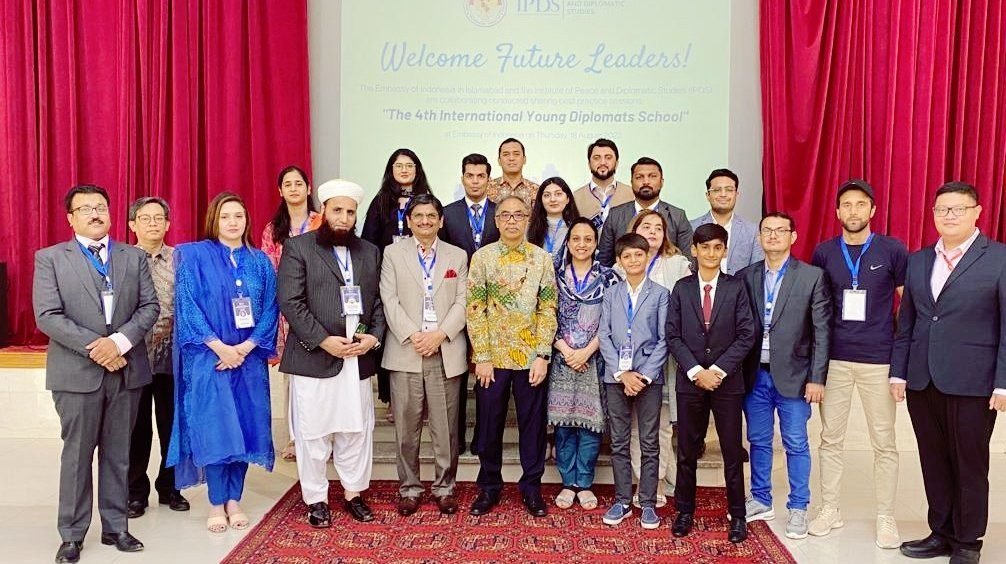
Twelve sessions with ambassadors and UN agencies. Participants watched Indonesian citizens vote at their embassy on the day of Indonesia’s general election, and the British High Commissioner presented certificates.

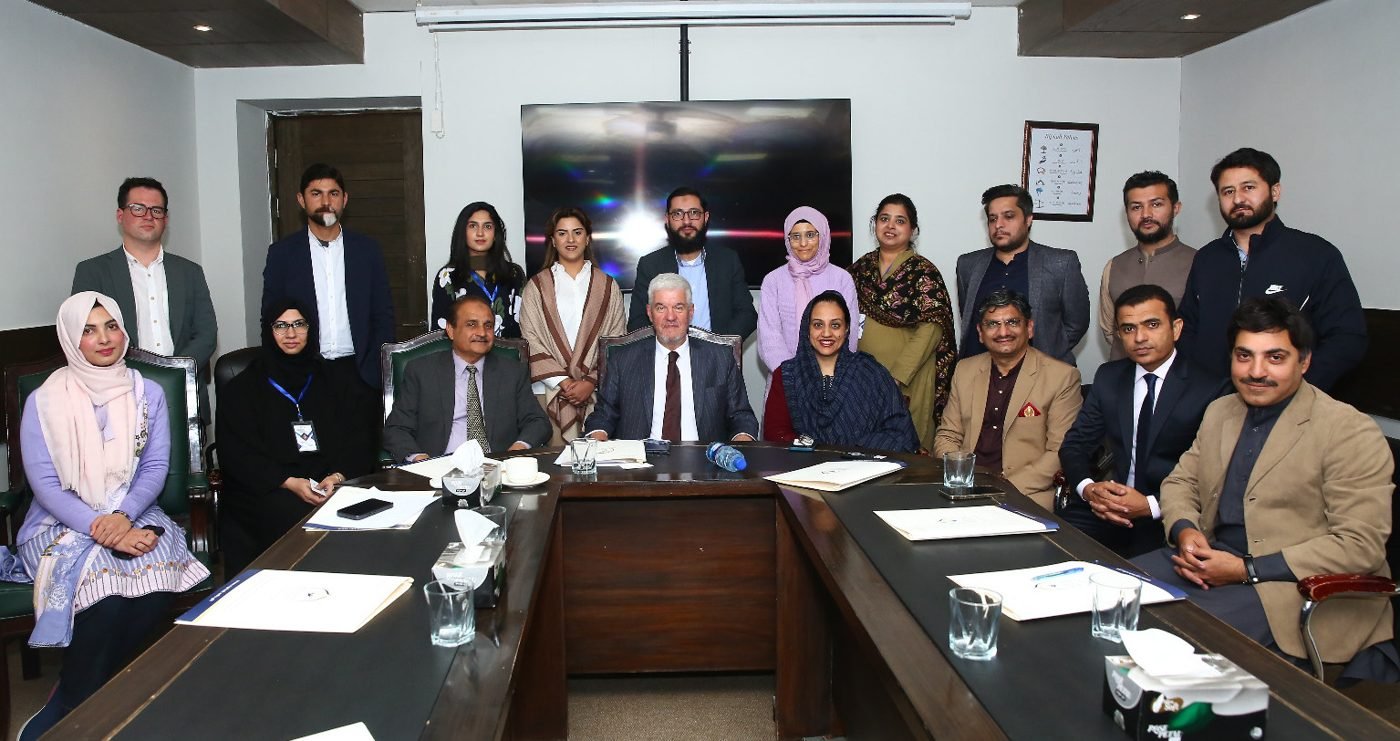
Inaugural session, including diplomatic protocol and etiquette.
Read the report →
At the residence: Pakistan–Austria relations since 1956.
Read the report →
Observed Indonesia’s election being held at the embassy.
Read the report →
TAPI, connectivity and energy links.
Read the report →
Finland’s foreign policy, at the Riphah Institute of Public Policy.
Read the report →
Trade, education and cultural connections.
Read the report →
Gender equality, youth and population policy.
Read the report →
The Global South and renewable energy, at the Riphah Institute of Public Policy.
Read the report →
Where diplomacy meets public health.
Read the report →Thailand’s society, including the role of its Muslim community.
Read the report →

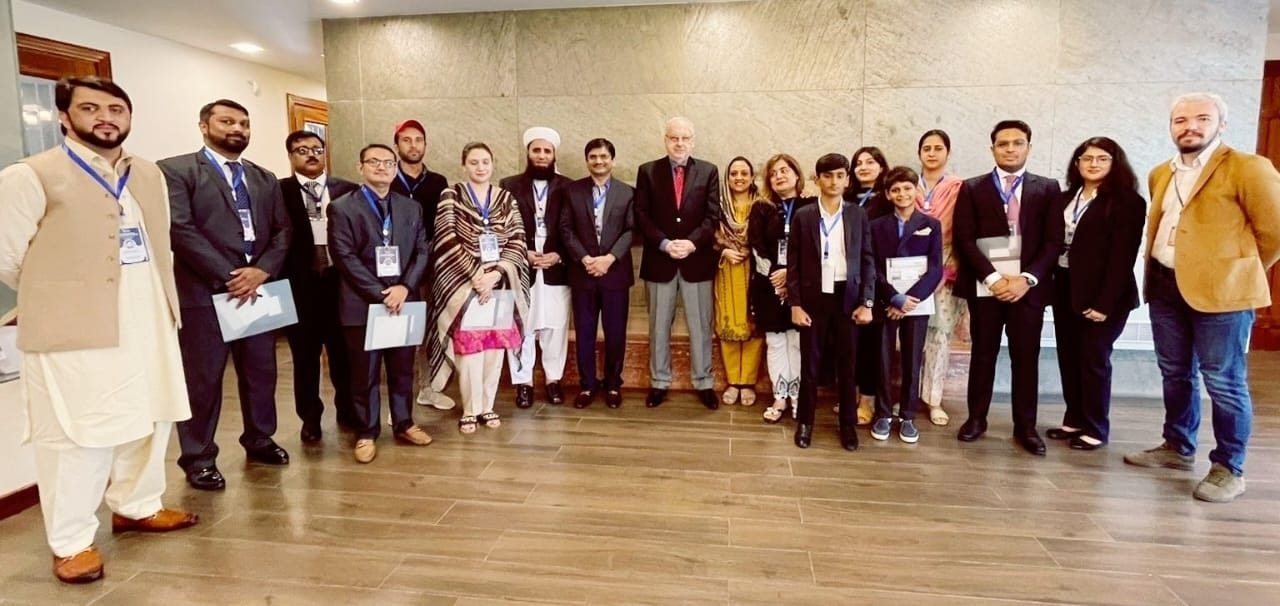
UK foreign policy and diplomatic practice; the High Commissioner presented certificates.
Read the report →Islamabad
10 engagements with missions and organisations
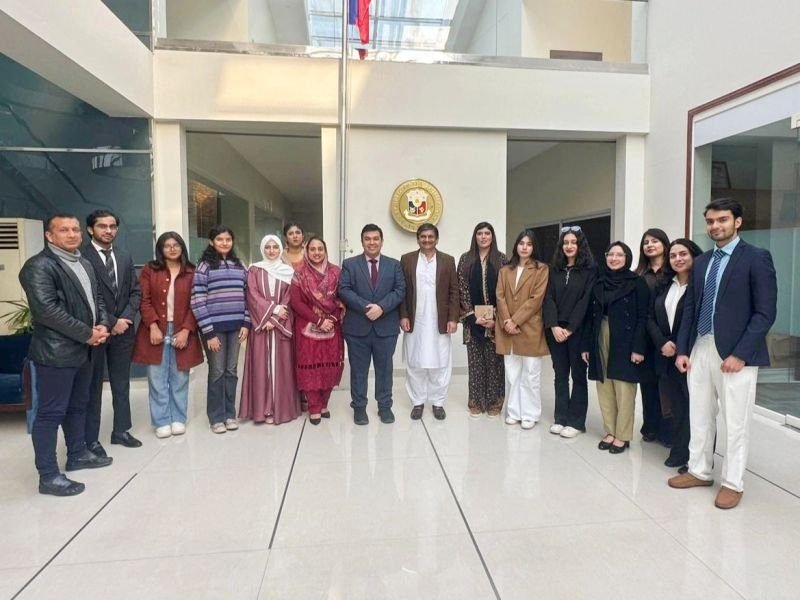
Participants aged 18 to 40 from every province of Pakistan and Kashmir spent three days moving between ten embassies and high commissions, opening at the Embassy of Romania. The Ambassador of Italy presented certificates at a dinner reception.

Inaugural session: Romania, the EU and GSP Plus.
Read the report →
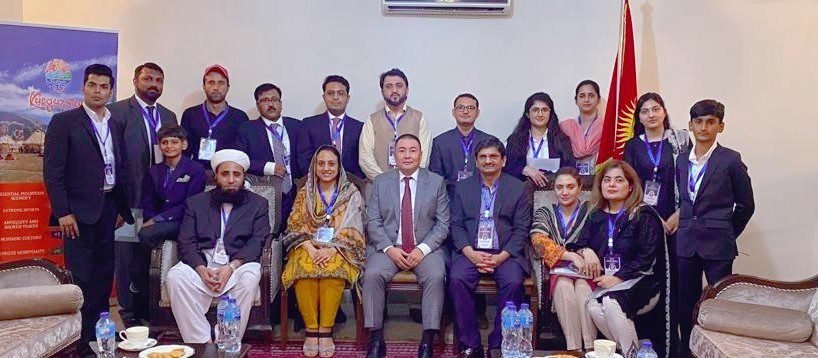
Pakistan–Kyrgyz relations and networking.
Read the report →

Pakistan–Sri Lanka relations and regional geopolitics.
Read the report →
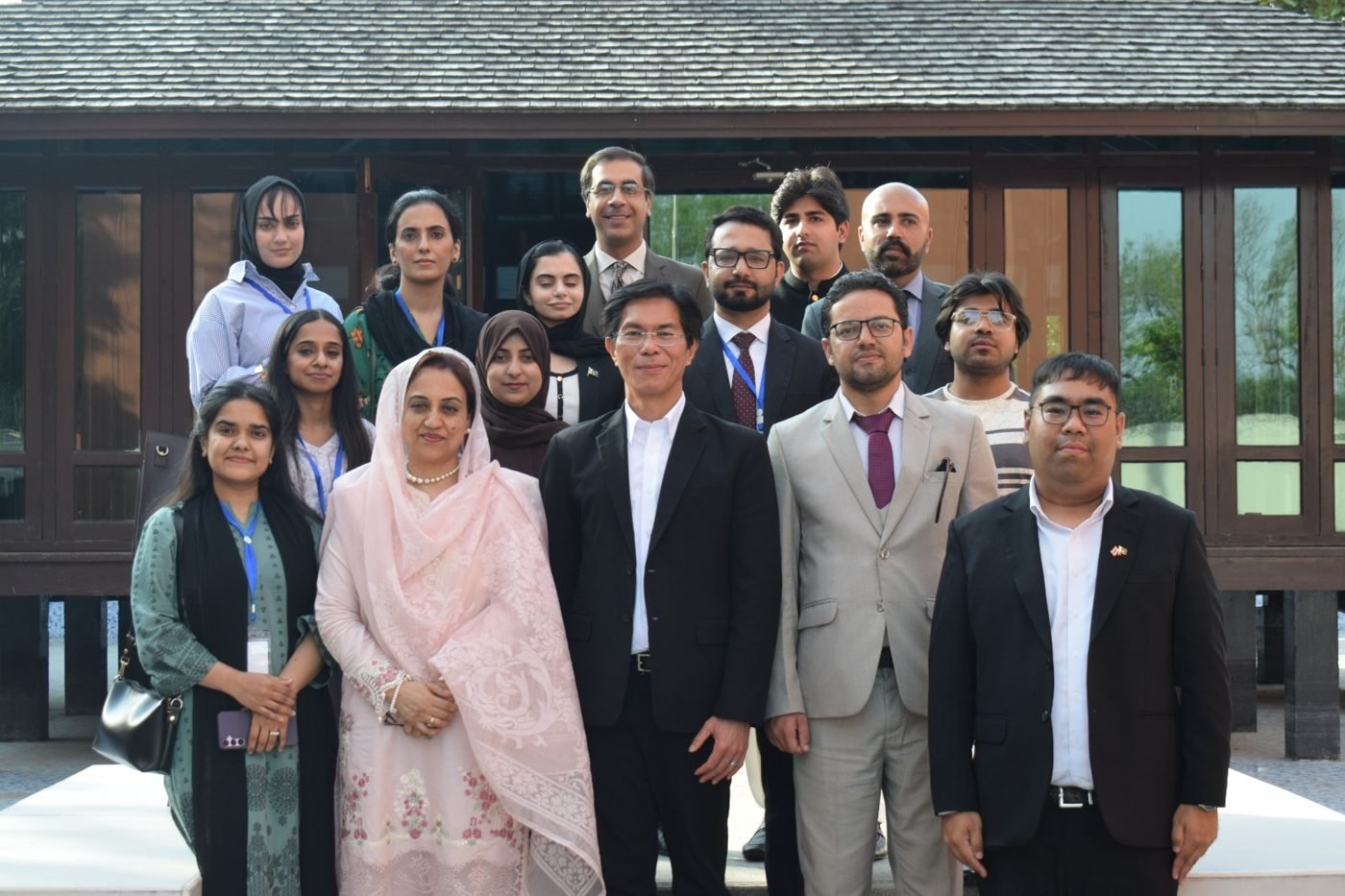
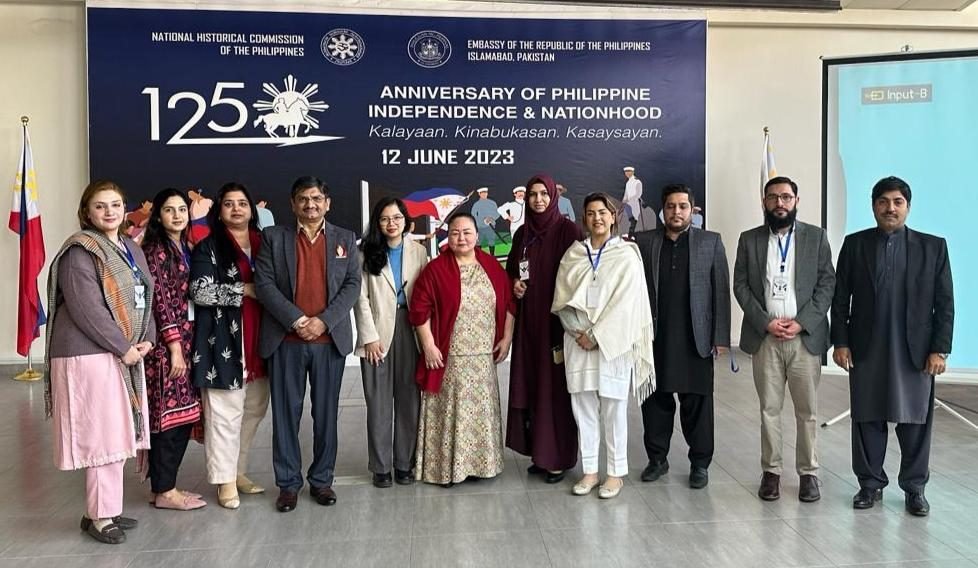
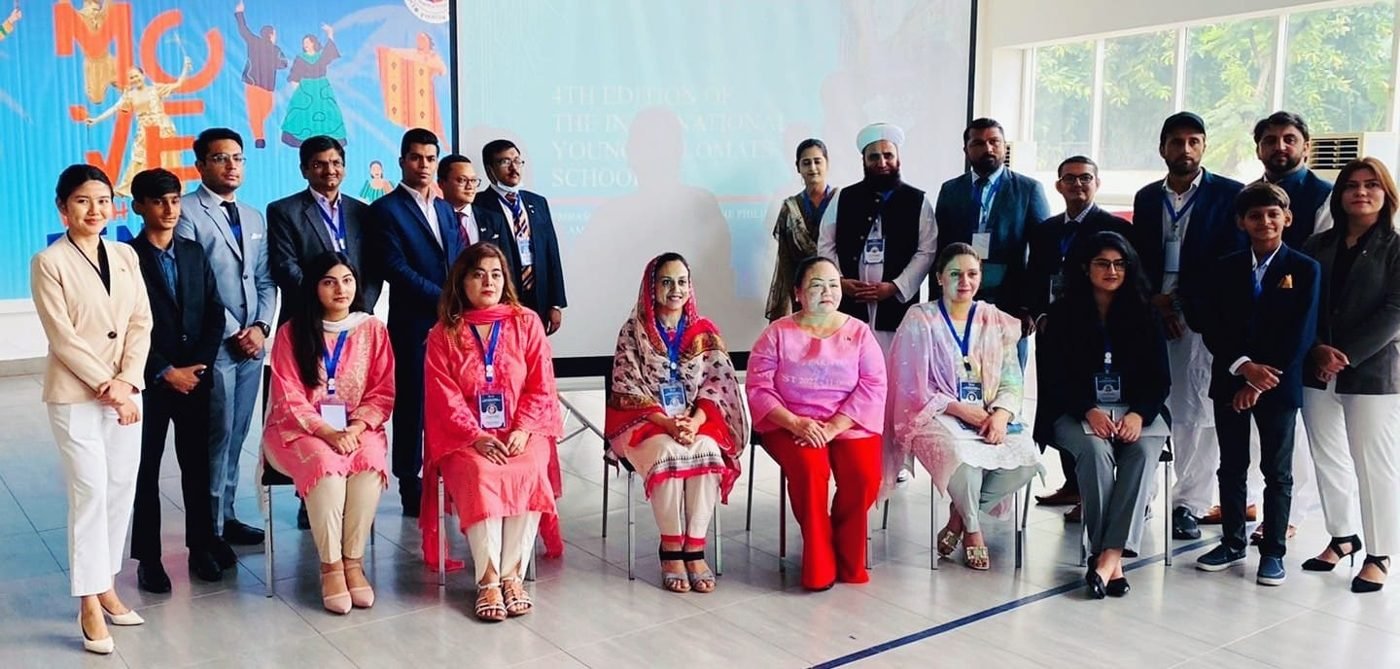
History and geostrategic significance of the Philippines.
Read the report →
Pakistan–Palestine relations.
Read the report →
Trade, investment and connectivity.
Read the report →
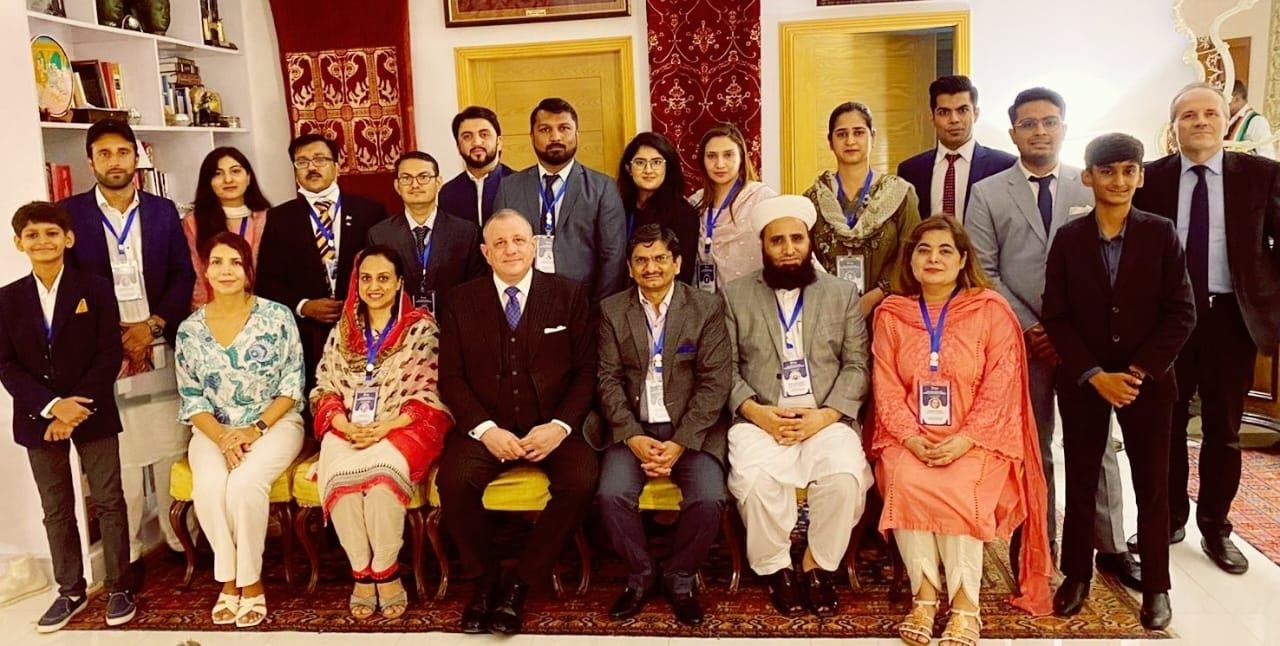
Pakistan–Italy relations; the Ambassador presented certificates at a dinner reception.
Read the report →
Pakistan–Indonesia relations and trade.
Read the report →
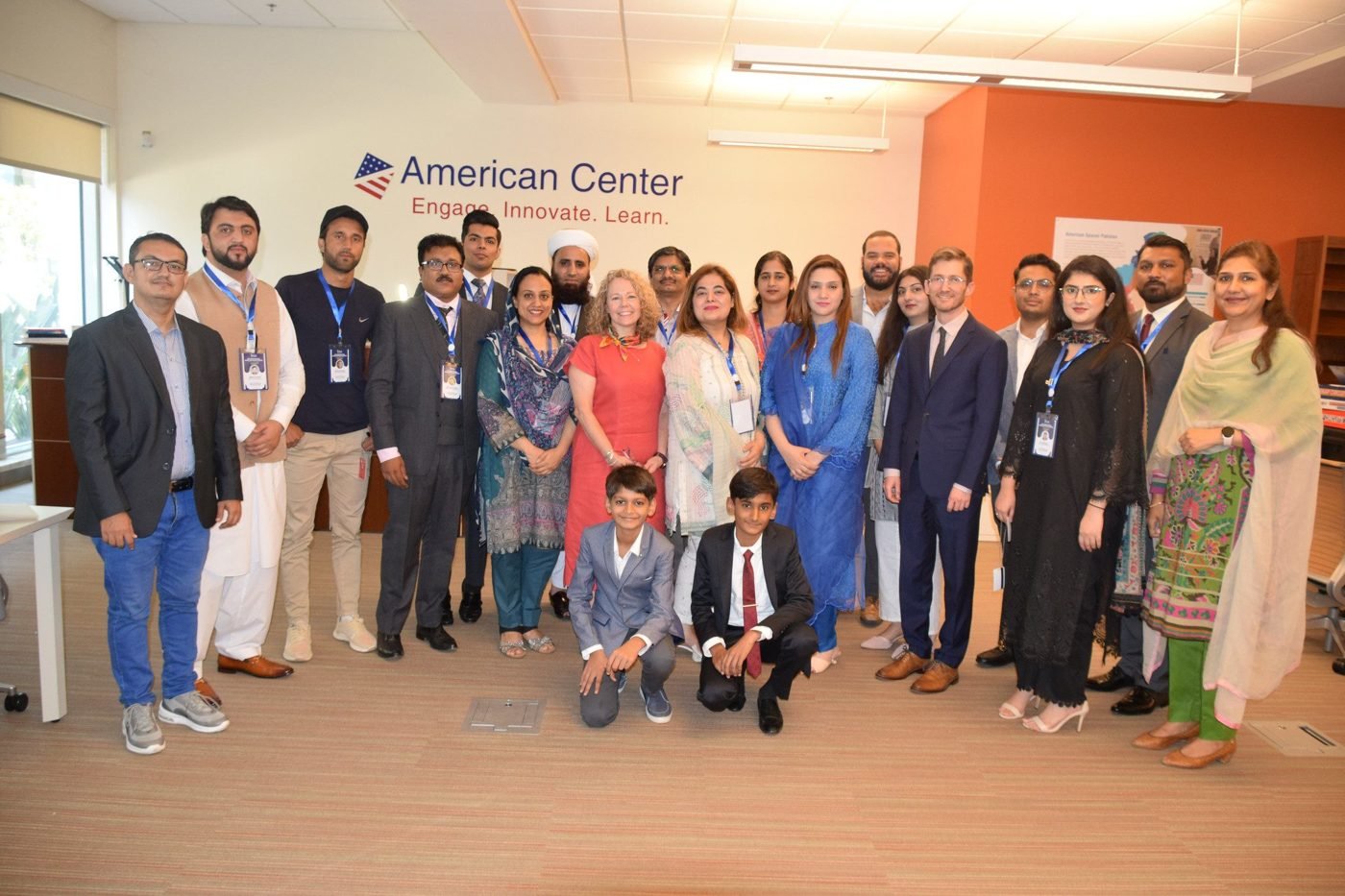
Pakistan–U.S. relations and the U.S. Foreign Service.
Read the report →COMSATS Secretariat, Islamabad (jointly organised with COMSATS)
Organised jointly with COMSATS, the Commission on Science and Technology for Sustainable Development in the South. Alongside participants from across Pakistan, the cohort included participants from China and Indonesia.
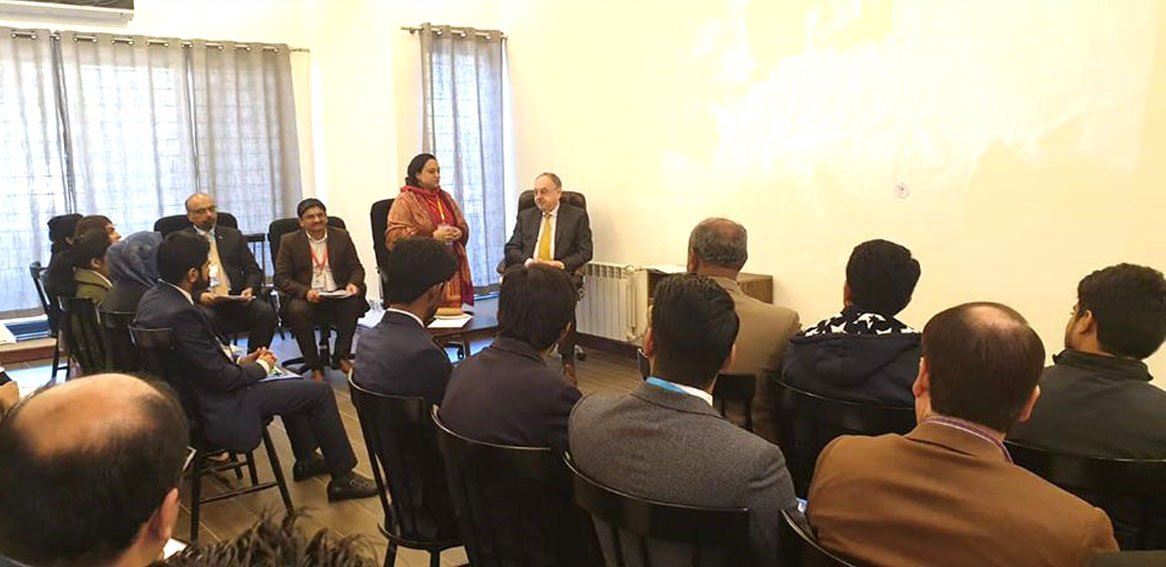
Session with the cohort.
Islamabad
The closing session was addressed by Ehsan Ullah Tiwana, Chairman of the National Assembly Standing Committee on Foreign Affairs, on the pillars of Pakistan’s foreign policy, followed by the award of certificates.
Islamabad, with the Centre for Policy Studies, COMSATS Institute of Information Technology
The first School brought together emerging diplomats, young professionals and students for expert lectures and interactive sessions, including a session on the Shanghai Cooperation Organisation.
From the 3rd cohort onwards. 13 missions have received more than one cohort.
| Mission or organisation | 3rd 2019 | 4th 2022 | 5th 2024 | 6th 2025 | 7th 2026 | Total |
|---|---|---|---|---|---|---|
| Europe | ||||||
| Austria | ● | ● | 2 | |||
| Bosnia and Herzegovina | ● | 1 | ||||
| Denmark | ● | ● | ● | 3 | ||
| European Union | ● | 1 | ||||
| Finland | ● | 1 | ||||
| Germany | ● | 1 | ||||
| Italy | ● | 1 | ||||
| Portugal | ● | 1 | ||||
| Romania | ● | ● | 2 | |||
| Russia | ● | ● | 2 | |||
| Switzerland | ● | 1 | ||||
| United Kingdom | ● | ● | ● | 3 | ||
| Central Asia and the Caucasus | ||||||
| Azerbaijan | ● | 1 | ||||
| Kazakhstan | ● | ● | 2 | |||
| Kyrgyzstan | ● | ● | 2 | |||
| Turkmenistan | ● | ● | 2 | |||
| Asia-Pacific | ||||||
| Indonesia | ● | ● | 2 | |||
| Nepal | ● | 1 | ||||
| Philippines | ● | ● | ● | 3 | ||
| Sri Lanka | ● | 1 | ||||
| Thailand | ● | ● | ● | 3 | ||
| Middle East and Africa | ||||||
| Egypt | ● | 1 | ||||
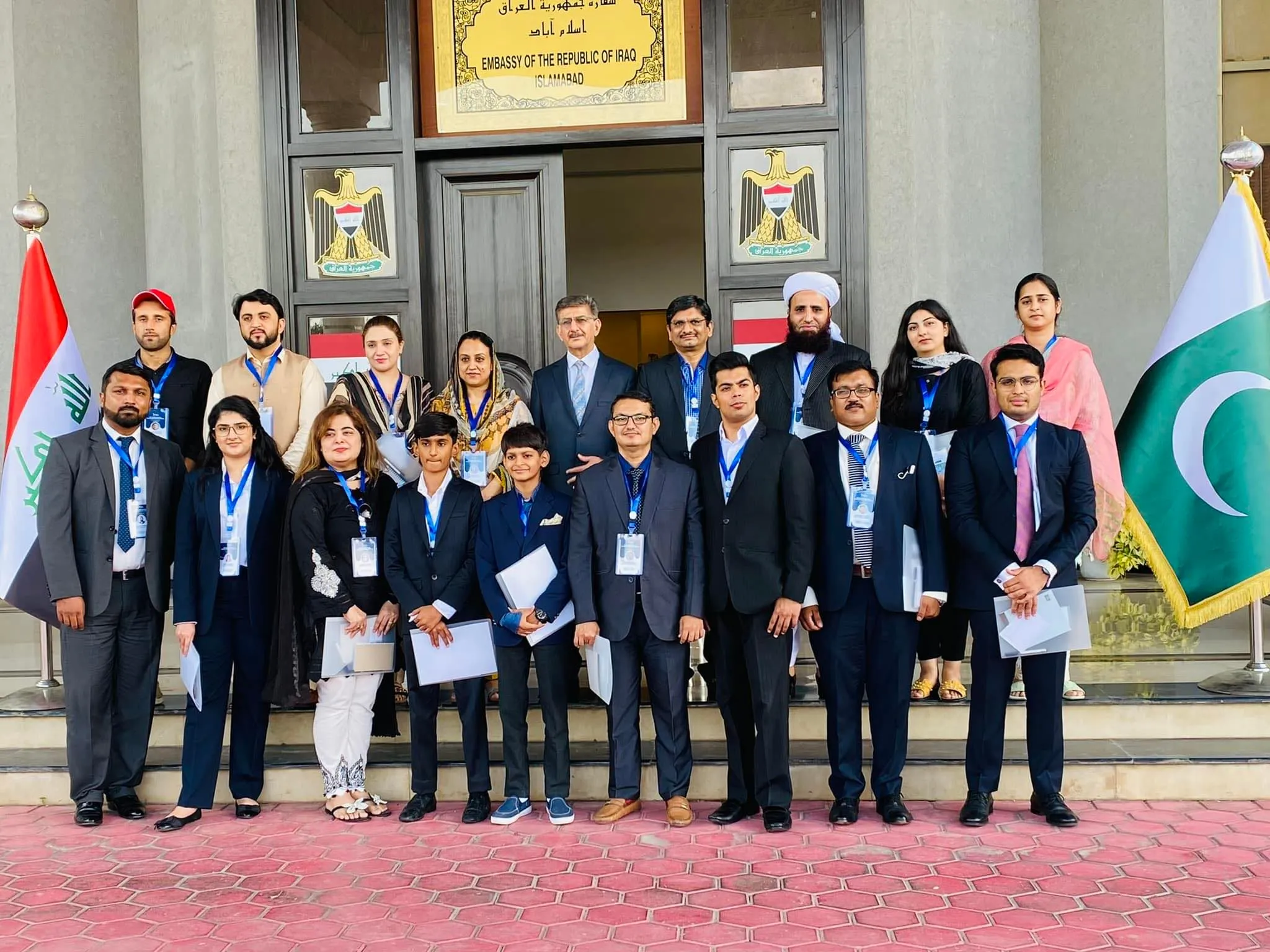
| Iraq | ● | 1 | ||||
| Mauritius | ● | 1 | ||||
| Palestine | ● | 1 | ||||
| Zimbabwe | ● | ● | 2 | |||
| Americas | ||||||
| United States | ● | ● | 2 | |||
| United Nations | ||||||
| ILO | ● | 1 | ||||
| UN Resident Coordinator's Office | ● | 1 | ||||
| UNAIDS | ● | 1 | ||||
| UNDP | ● | 1 | ||||
| UNFPA | ● | 1 | ||||
| UNHCR | ● | 1 | ||||
Co-organised the 1st School in 2016 through the Centre for Policy Studies, COMSATS Institute of Information Technology, and the 3rd School in 2019 at the COMSATS Secretariat.
Hosted sessions of the 5th School in 2024 with the Ambassadors of Finland and Portugal.
IPDS’s sister publication, which reports every session of the School.
The 8th IYDS is open for applications. Missions and organisations are welcome to partner with it.
Apply for the 8th IYDSPartner with the SchoolOur latest analysis, upcoming events and calls for researchers, in your inbox twice a month.
New analysis from IPDS research centres, invitations to our dialogues and events, and opportunities for researchers. Twice a month, free, and you can leave with one click.