Women. Peace. Leadership. From Pakistan, for the World.
Years of research, convening, and leadership programming
Countries reached through Global Women Insight
Readers reached through Women Insight Daily on TDI
Why this institution, why now
The global conversation about Women, Peace and Security in South Asia happens largely in Geneva, London, and Washington. The reports get published. The indices get released. The panels get convened. And then those conversations travel home to cities where women in Balochistan, in FATA, in Kashmir, in the Af-Pak border communities are still waiting for any of that to reach them.
CWPL changes the direction of that conversation. We are the institution based inside the reality, producing research from it, training the next generation of leaders within it, and connecting those leaders to global peers who need to hear what they know.
Asia is home to some of the world’s most resilient women leaders. Women who run community networks across conflict lines. Women who rebuild entire towns after displacement. Women who negotiate peace at borders that global diplomats fly in to visit once and leave. These women have always existed. What this region has lacked is a permanent institution with the credibility, the research capacity, and the global reach to put them where they belong: at the centre of the peace and security agenda.
The Centre for Women Peace and Leadership (CWPL), housed within the Institute of Peace and Diplomatic Studies in Islamabad, is that institution. We have spent a decade proving it is possible to build something of genuine global standing from inside Pakistan. We are now taking that work to its full potential.
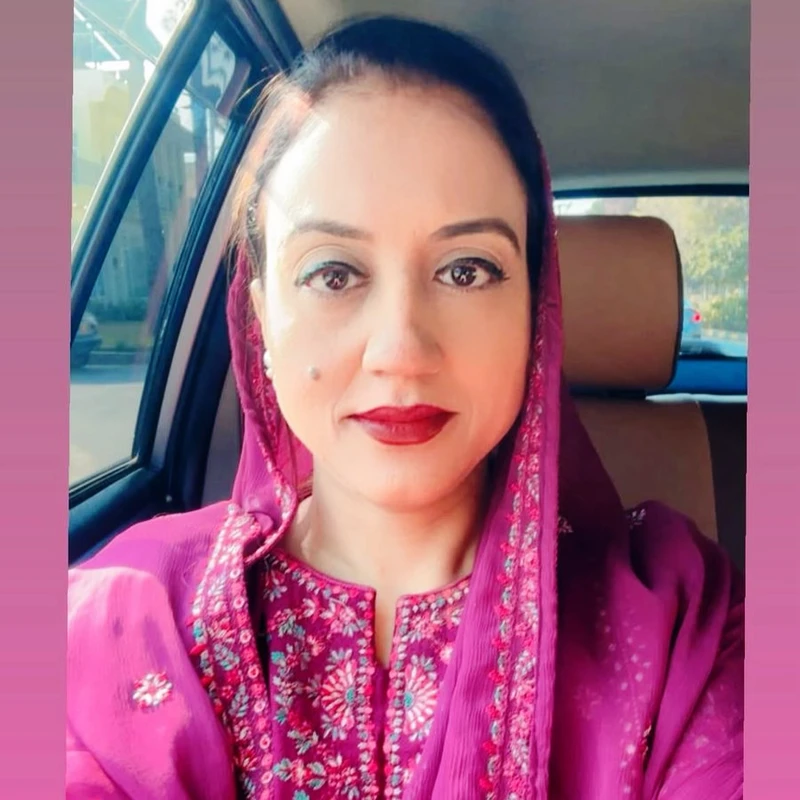
Dr. Farhat Asif· Founder and President, CWPL and IPDS
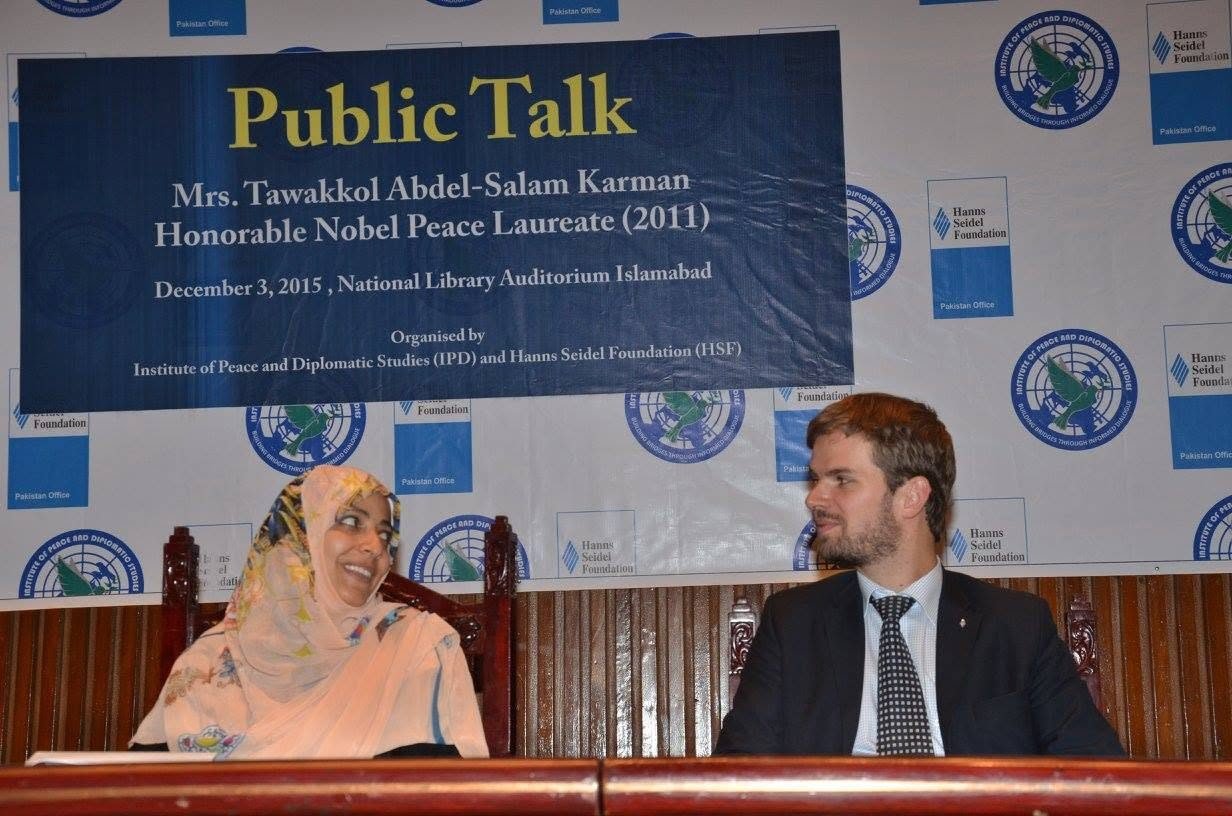
Award-winning public diplomat, IWF Fellow, and NPeace laureate. Founded CWPL in December 2015 with a Nobel Peace Laureate present at the founding.
Every program at CWPL is built around a single conviction: that women’s leadership, financial agency, their voices, and research are all dimensions of the same thing.
Build them together, and you build something that lasts.
Original, publishable evidence on Women, Peace and Security in South Asia. Built for policymakers, embassies, and global research partners who need ground-level data from inside the region.
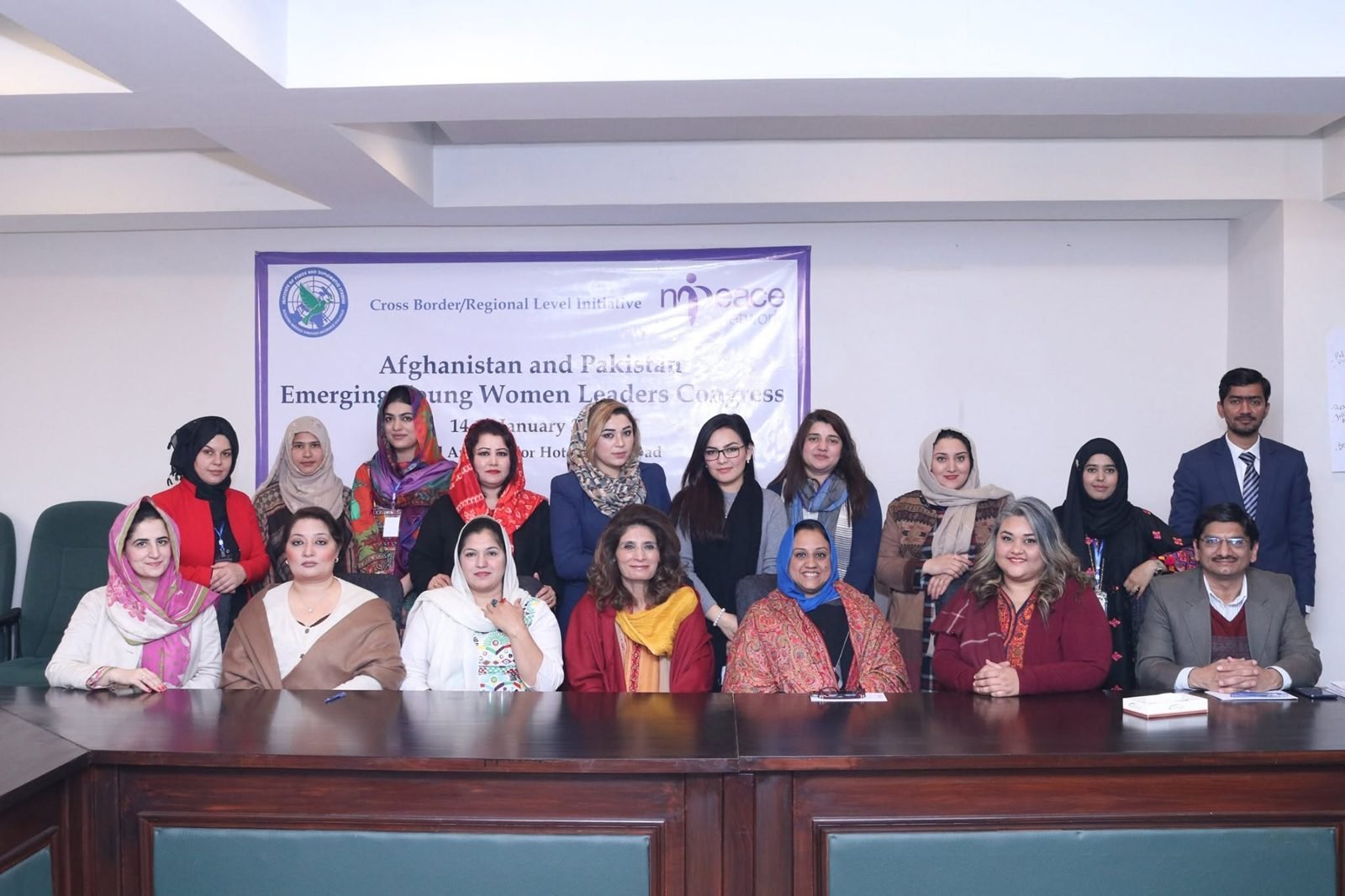
Annual fellows programme drawing young women from all four provinces, including religious minorities, transgender women, and women with disabilities. Mentorship. Training. A network that stays active for life.
A flagship podcast series putting women leaders from conflict-affected regions in direct conversation with global counterparts. Every episode is a documented case study in what women’s leadership looks like under pressure.
A digital commerce platform connecting women in IDP and refugee camps to local, regional, and international markets through craft skills. Economic agency and peace are the same investment.
Most women’s leadership institutions produce research and host events. CWPL also produces media at scale, through two dedicated platforms that reach the audiences who matter: ambassadors, UN agencies, policymakers, diplomatic missions, and civil society worldwide.
Daily Publication
A focused daily vertical covering women’s issues, policy, leadership, and global news, published through The Diplomatic Insight — Pakistan’s premier public diplomacy magazine,
Podcast & Interview Series
A DiploTV program for women leaders to share their stories, strategies, and vision. Every conversation grounded in the lived reality of women working in conflict-affected, fragile, and politically constrained environments.
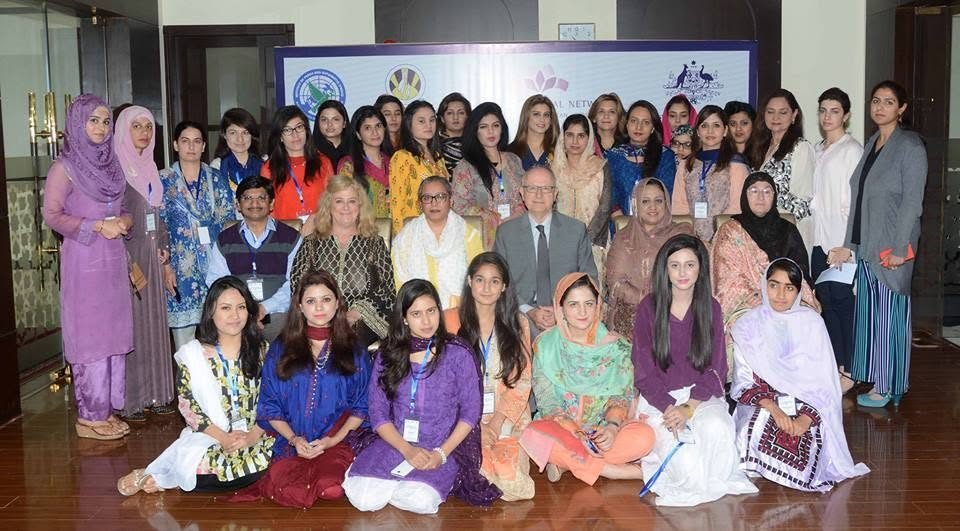
CWPL brings something to a partnership that institutions in London, Washington, or Oslo simply cannot: a decade of relationships, convening history, and research access inside the countries that matter most to the global Women, Peace and Security agenda. We are seeking genuine peers.
Every partnership at CWPL produces tangible output — research, programmes, dialogue, and dissemination at scale.
The Invitation
Whether you represent an embassy, a global foundation, a research university, or a multilateral agency — if women, peace and security in South Asia is part of your mandate, this is the conversation we need.