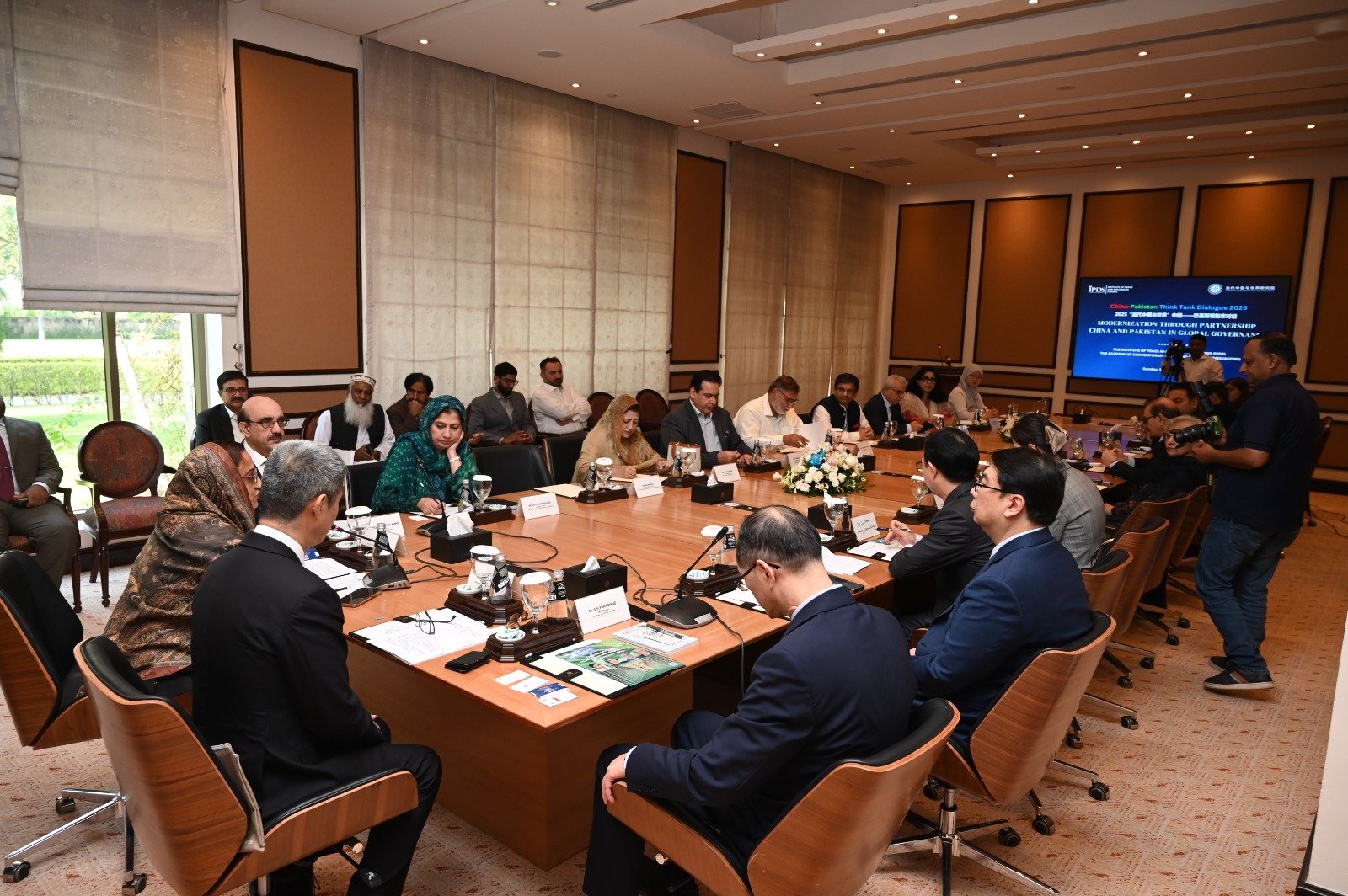
Scholars, diplomats, and policymakers from China and Pakistan convened in Islamabad on Saturday for the China–Pakistan Think Tank Dialogue 2025, jointly organized by the Academy of Contemporary China and World Studies (ACCWS) and the Institute of Peace and Diplomatic Studies (IPDS).
The dialogue, themed “Modernization through Partnership: China and Pakistan in Global Governance,” explored ways to advance bilateral cooperation in an evolving international order. ACCWS, a key institution under the China International Communications Group (CICG), focuses on global governance, modernization, intercultural communication, and people-to-people exchanges.
The opening session was addressed by CICG’s Editor-in-Chief, Gao Anming, and IPDS President Dr. Farhat Asif. Anming announced that CICG and ACCWS have collaborated with IPDS to establish a joint research center aimed at deepening academic exchanges and policy collaboration between the two countries.

He said that it is important to build cooperation amongst the think tanks and media to enhance understanding and mutual learning, and proposed three concrete steps: a joint think-tank research centre, a joint book-publishing and translation project to share the story of China-Pakistan modernization with international audiences, and a multilateral media communication network to tell human-centred stories of cooperation, from Gwadar Port’s development to livelihood projects on the ground. During the ceremony, CICG also presented President Xi Jinping’s book The Governance of China to Dr. Asif and to Ambassador Sardar Masood Khan.
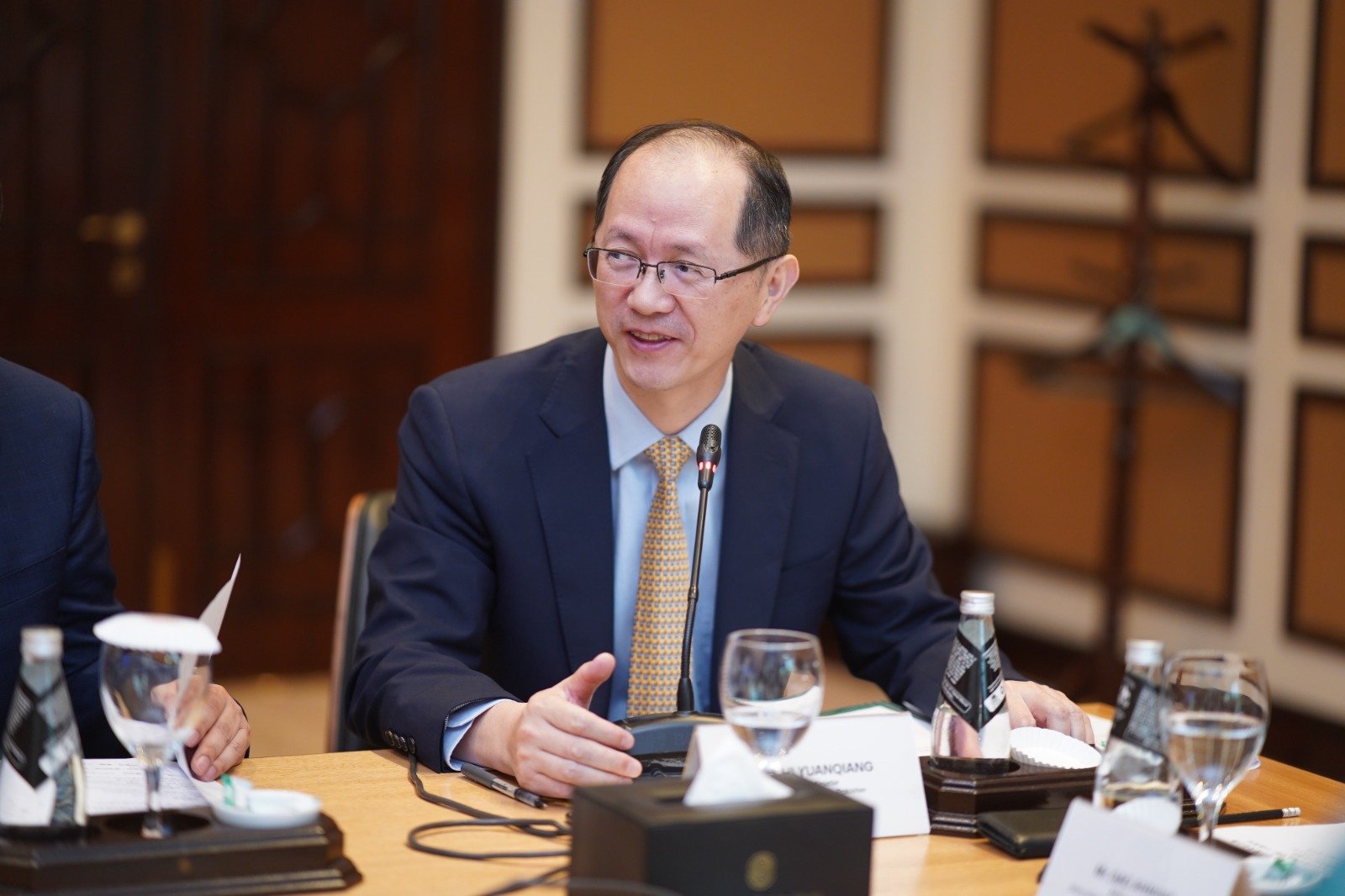
In his special address, Deputy Head of Mission at the Chinese Embassy, Shi Yuanqiang, said that the second phase of the China–Pakistan Economic Corridor (CPEC) embodied the most concrete expression of the two countries’ modernization partnership. He reaffirmed Beijing’s support for Pakistan’s development and counterterrorism efforts. Shi also outlined President Xi Jinping’s Global Governance Initiative (GGI), describing it as China’s solution to advance international governance toward greater fairness and rationality, grounded in the UN Charter and five core principles — equality, international rule of law, multilateralism, a people-centred approach, and action orientation — with more than 140 countries, including Pakistan, now supporting the initiative. He added that successful modernization must be rooted in a country’s own history, culture, and national conditions, pointing to China’s renewable energy expansion and new-energy-vehicle production as evidence of modernization in harmony with nature.
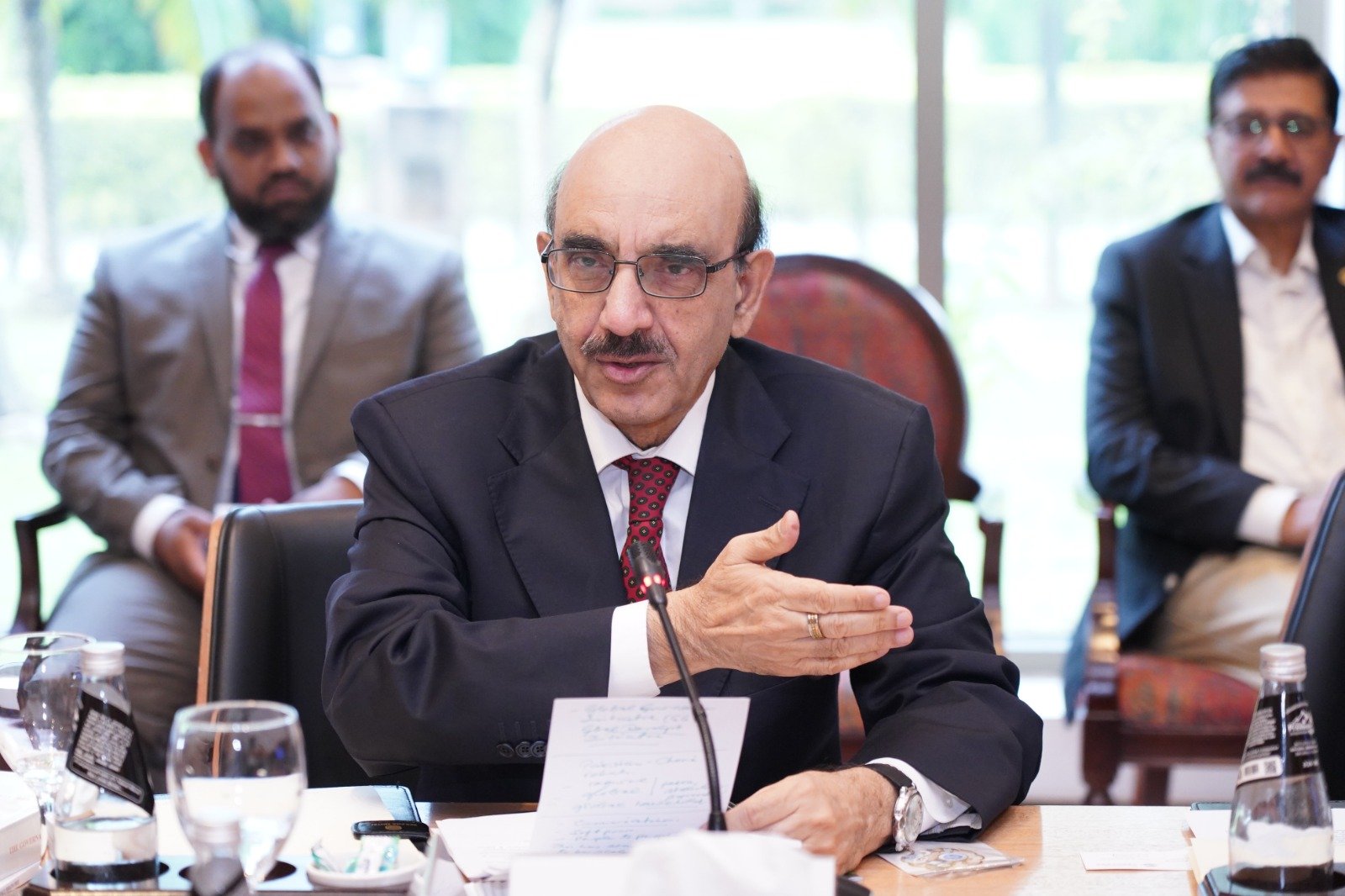
Ambassador Masood Khan, who has previously served as Pakistan’s envoy to China, the United States, and the United Nations, highlighted China’s unique development philosophy that prioritizes shared growth and regional stability. Tracing the partnership’s evolution from China’s 2002-03 vision of shared modernization through the Belt and Road Initiative and CPEC, he noted that bilateral cooperation has grown from $46 billion to $62 billion, now connecting Pakistan to an initiative spanning more than 140 countries. He noted that sustained engagement between think tanks such as IPDS and ACCWS could strengthen the strategic trust underpinning the bilateral relationship.
ACCWS Vice President Fan Daqi shared the results of a large-scale survey on perceptions of Chinese modernization conducted across five Shanghai Cooperation Organization (SCO) member states, including Pakistan. The study was a joint research initiative between ACCWS and IPDS: 97 percent of respondents across these countries said they were willing to purchase Chinese products, 80.3 percent recognized China as a modernizing leader, and 81 percent acknowledged its achievements in artificial intelligence, high-speed rail, and new energy.

Moderating a panel discussion of experts, Dr. Asif invited views from prominent academics, policymakers, and civil society leaders on how modernization could serve as a foundation for an inclusive China–Pakistan partnership.
While speaking on the occasion Senator Sitara Ayaz, Secretary General of the International Parliamentarians Congress (IPC), called for the institutionalization of a Parliamentary Forum on China–Pakistan Modernization to ensure continuity in cooperation beyond government tenures.
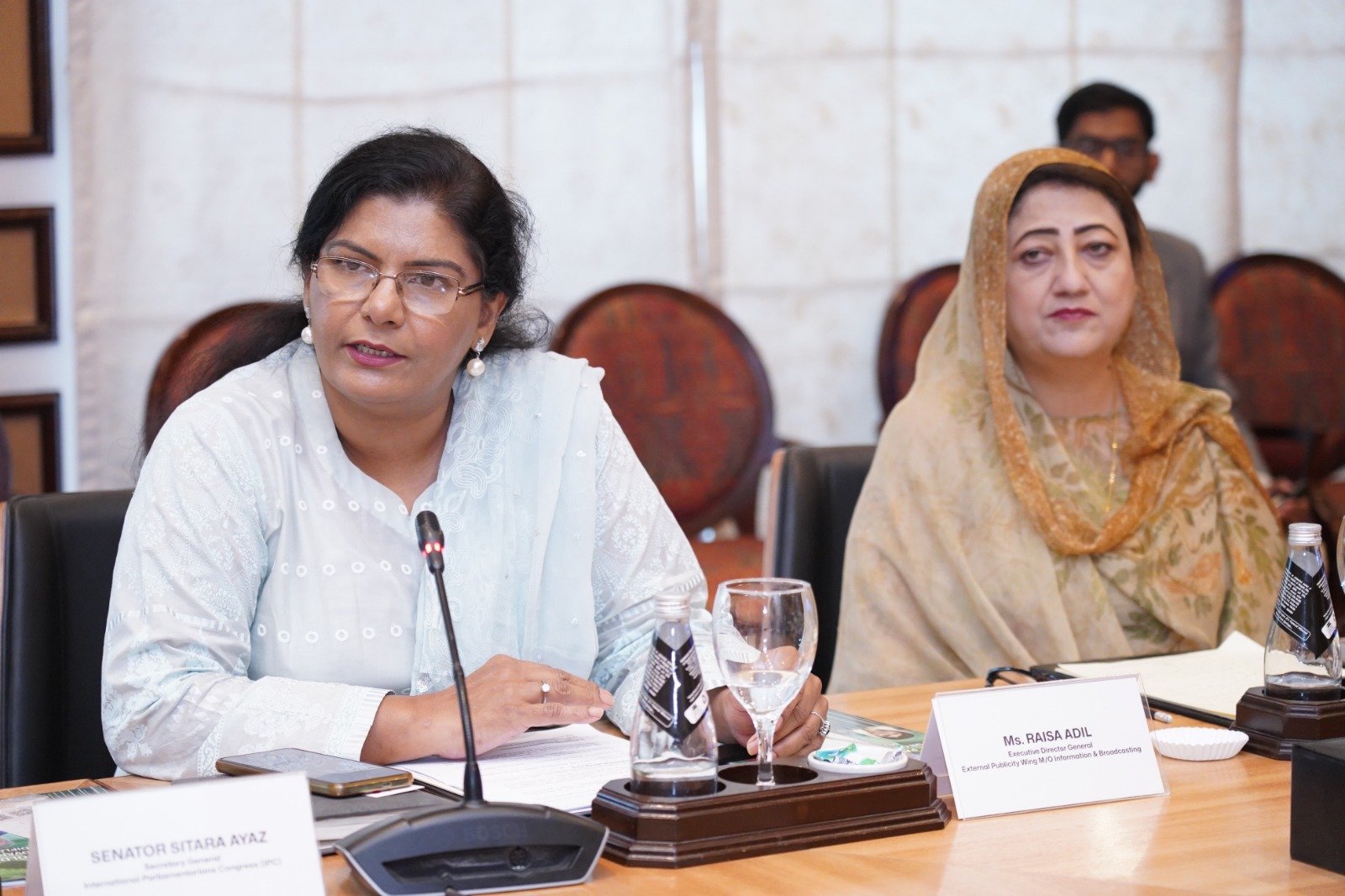
Raisa Adil, Executive Director General of the External Publicity Wing at the Ministry of Information and Broadcasting, said China had been “not only a partner in investment but also a partner in imagination,” adding that CPEC’s next phase should prioritize intellectual and cultural exchange. She proposed a joint China-Pakistan Human Capital Fund, a joint climate lab, cooperation on AI ethics and digital sovereignty, and expanded cultural and creative exchange as ways to advance the partnership further.
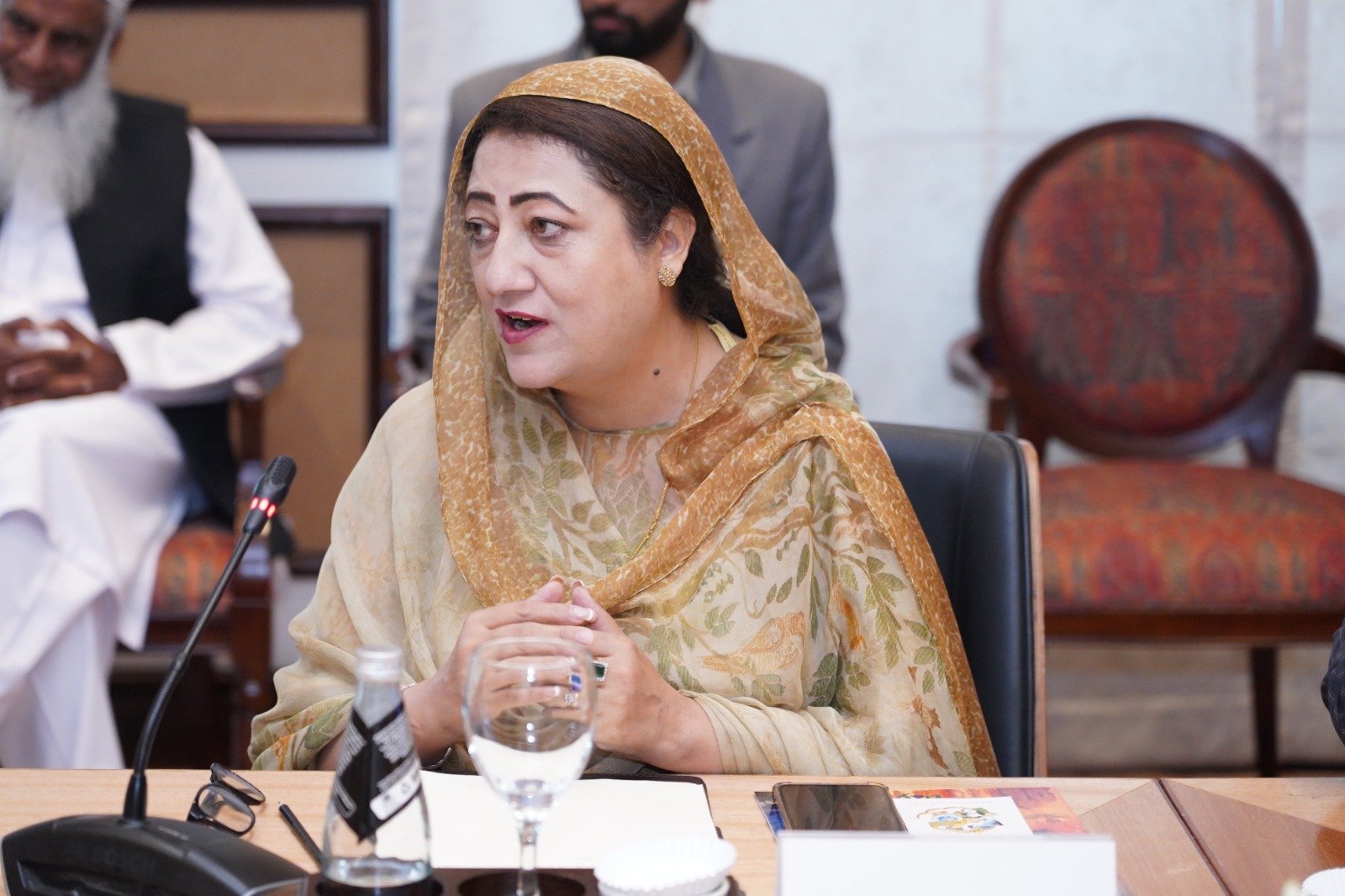
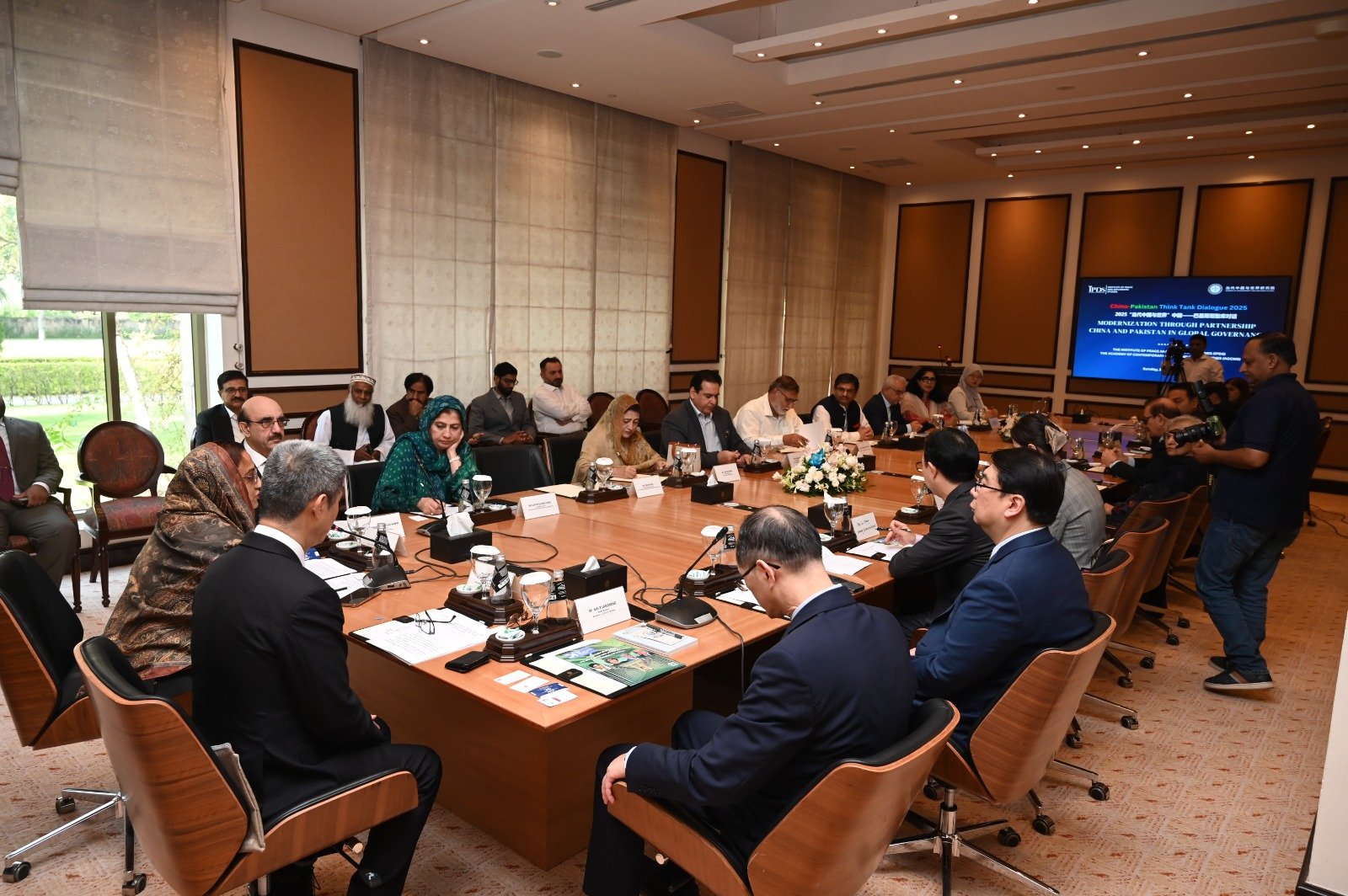
Asiya Nasir, Former Member of the National Assembly of Pakistan, emphasized the continuity of the all-weather Pakistan-China friendship and urged that the next phase of CPEC be made more inclusive, especially for women, calling for greater vocational, cultural, and economic participation. Taraq Waheed, Head of the Department of Social Science at the Shaheed Zulfikar Ali Bhutto Institute of Science and Technology (SZABIST), said both countries must continue pursuing modernization through cooperation and peaceful coexistence rather than isolation.
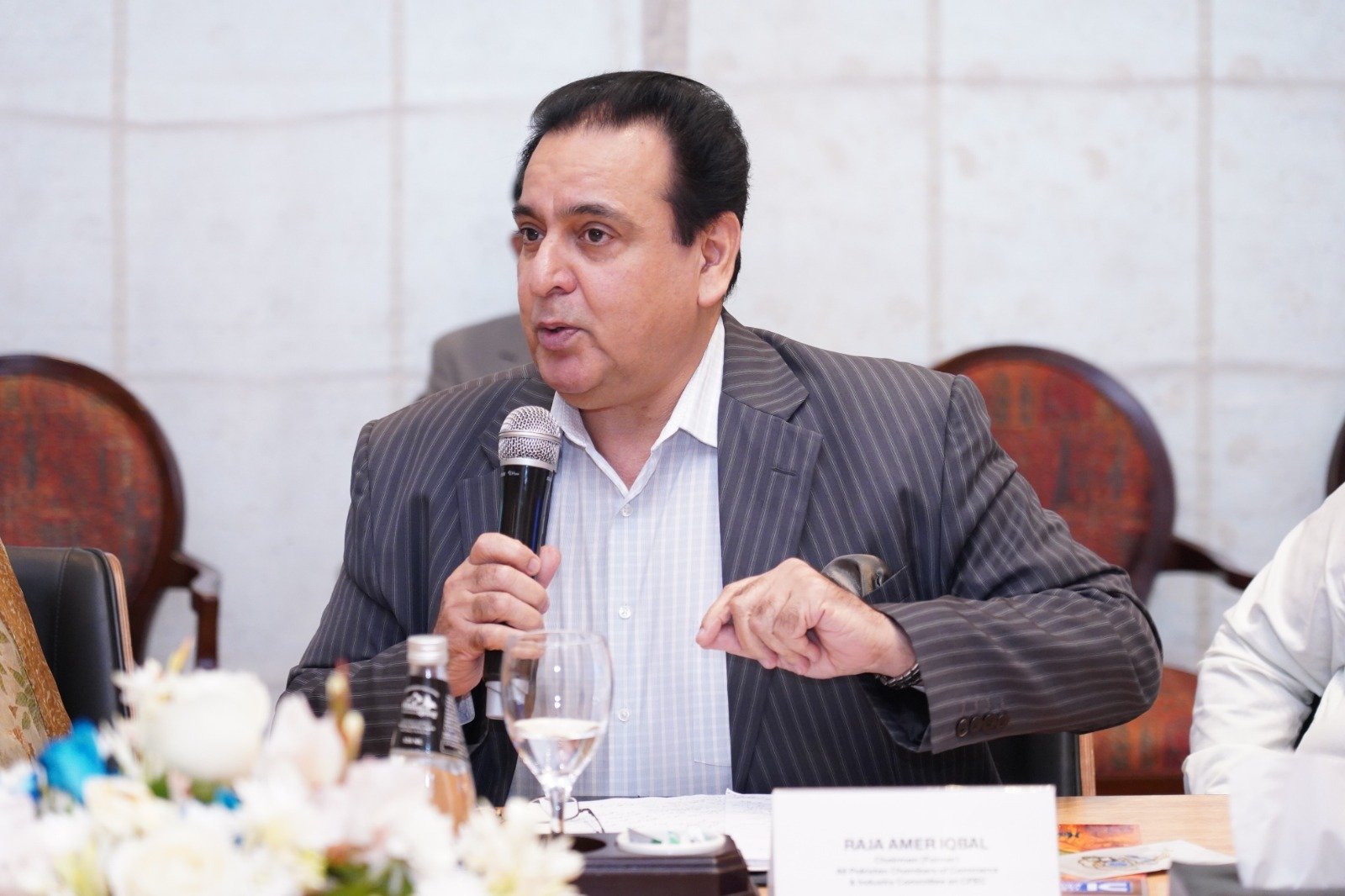
Raja Amer Iqbal, former Chairman of the All Pakistan Chambers of Commerce & Industry Committee on CPEC, highlighted the need for Pakistan’s business community to bridge the technological gap with regional peers. He pointed to law-and-order challenges, low purchasing power, short loan repayment windows, and slow technology adoption as barriers to faster progress, and urged longer financing timelines and targeted reforms for CPEC’s next phase. Meanwhile, Prof. Dr. Muhammad Munir, Dean Social Science from Muslim Youth University, said China’s gradual and inclusive path to modernization offered insights into inclusive growth opportunities for the countries across the world.
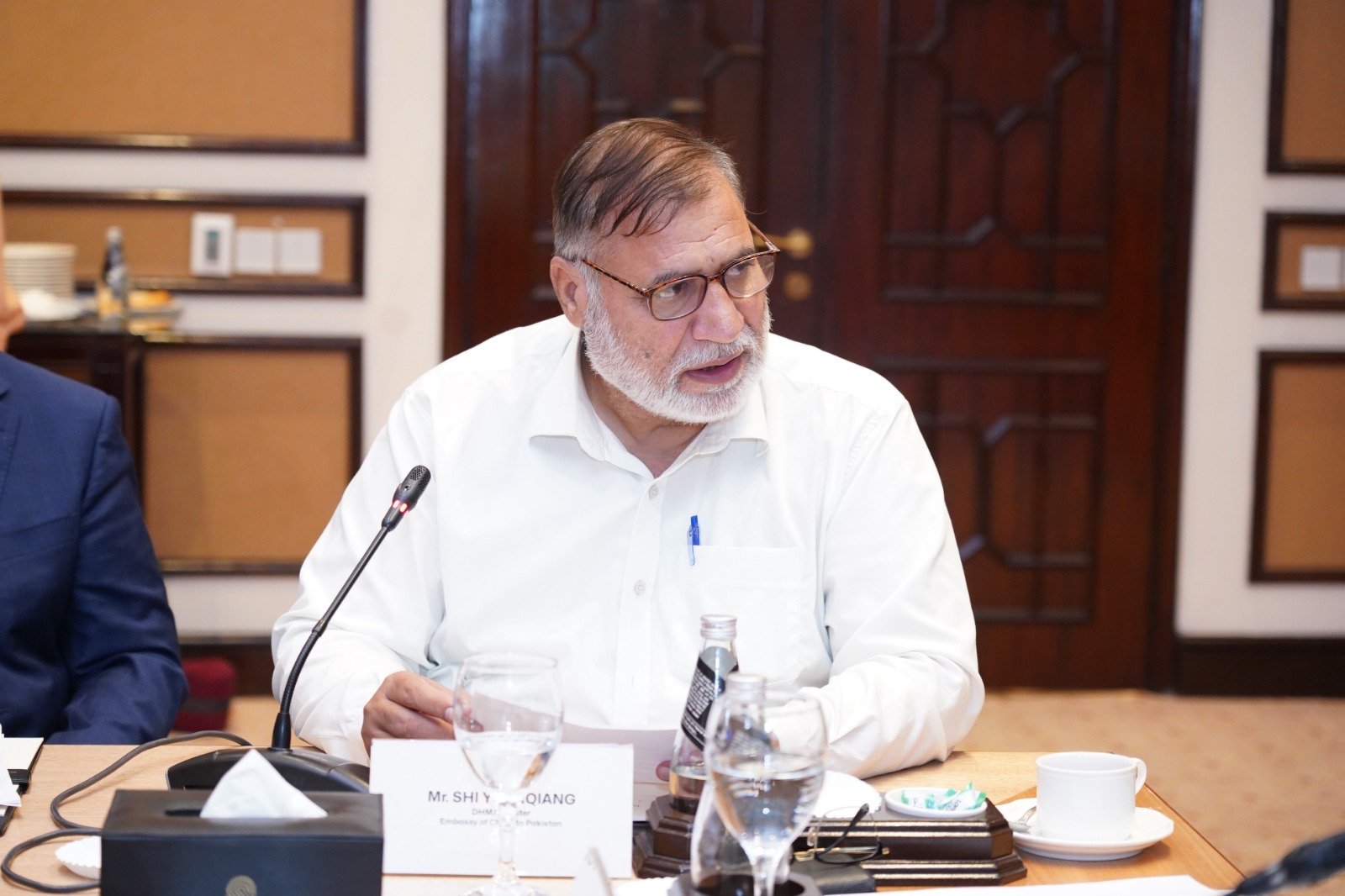
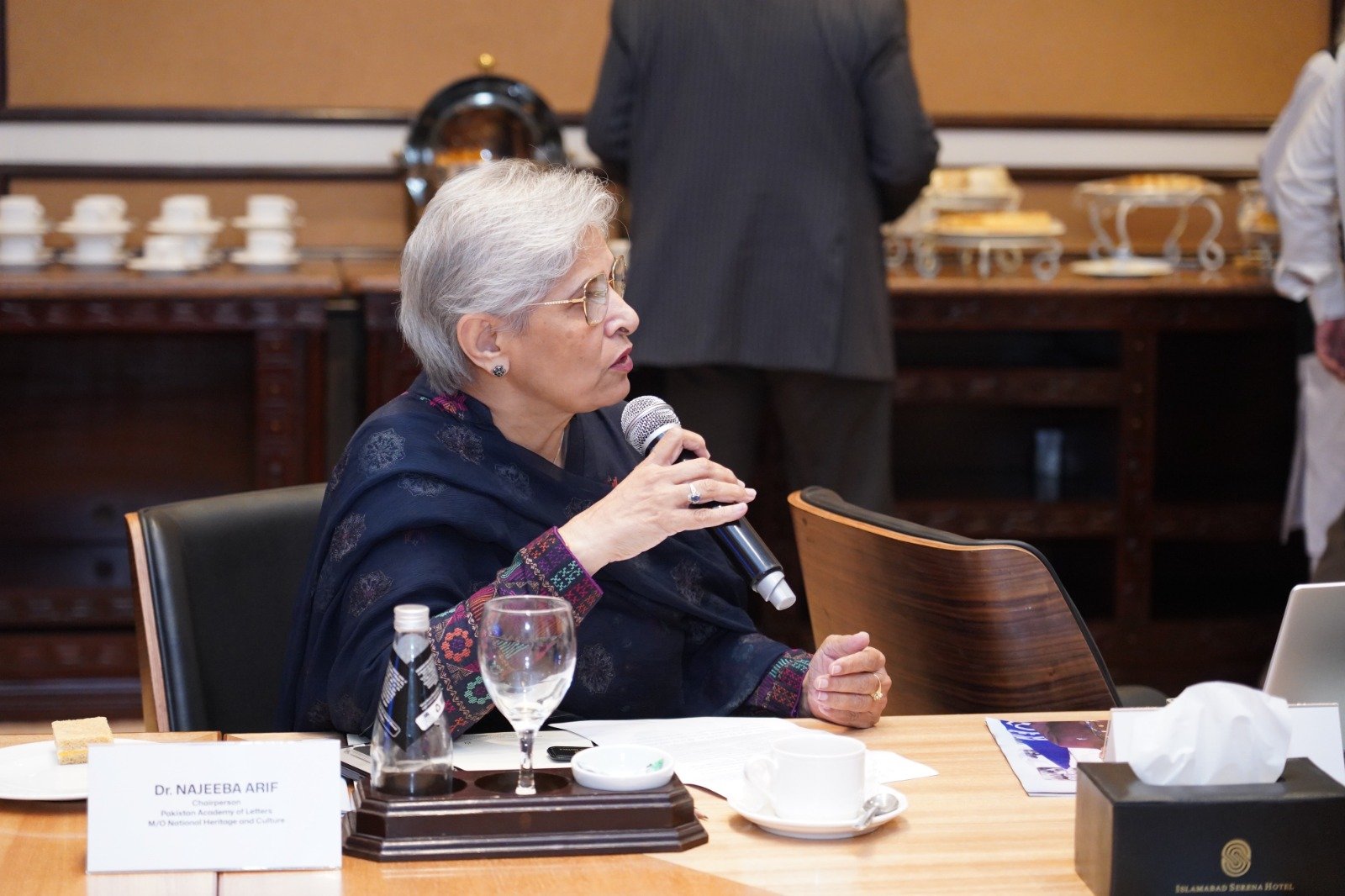
Dr. Najeeba Arif, Chairperson, Pakistan Academy of Letters while speaking on the occasion said that China’s modernization journey succeeded because it harmonized progress with tradition—an approach, she noted, that resonated deeply with Pakistan’s own aspirations.
The dialogue underscored a growing consensus among scholars and policymakers that the China–Pakistan partnership, rooted in shared modernization goals, remains central to fostering regional stability and inclusive development. The participants were representing various sectors of civil society including business, media, scholars, faculty members, students and diplomats.
Key Takeaways
- The dialogue reaffirmed the enduring China-Pakistan friendship, trust, mutual respect, and long-term strategic alignment.
- Chinese-style modernization was presented as an inclusive, people-centred alternative to Western models, blending cultural continuity, sustainability, innovation, and harmony with nature.
- CPEC Phase II will prioritize industrial cooperation, agriculture, mining, digital connectivity, and small-scale livelihood projects.
- Participants supported working closely under China’s Global Governance Initiative (GGI) to promote multilateralism, equitable development, and a “community with a shared future for mankind.”
- Three actionable proposals were put forward: a joint think tank / research centre for global governance and BRI studies, a joint book writing, translation, and publishing project, and a bilateral media and communication network.
- There was consensus on expanding youth exchanges, women’s empowerment, media cooperation, cultural partnerships, and human-capital development.