Home About Us IPDS Team Advisory Board Partners Partnerships in Practice Partnership Case Studies Programs Research Fellowship — Apply International Young Diplomats School Emerging Young Women Leaders Congress International Certification Programs Islamabad Diplomacy Forum Research Live Trackers Expert Commentary Policy Analysis & Briefs Research Essays Journal of Peace and Diplomacy Books News & Updates Centres of Study Central Asia & Eurasia Women, Peace & Leadership Leadership Center SCO Studies BRI & China Studies European Studies American Studies Africa Studies ASEAN Studies Join the Scholars Network Events Register for an Event Career Support Engage with Us Commissioned Research Geopolitical Risk Analysis Media & Public Diplomacy Track II Dialogues Training & Executive Education Contact Us
Home/About IPDS/Partners/Case studies
IPDS Partnership Case Studies

Partnership case studies

How IPDS works with embassies, universities, international organisations and forums, documented one partnership at a time: the context, who did what, what it produced and what changed, with every step linked to its published record.

7case studies
64dated steps, each with a source
47published sources cited
2013earliest work covered
The series

Seven partnerships, one method

Each case is chosen to show a different way of working: with the United Nations, with an embassy over a decade, at an international forum, through cultural institutions, in a mentoring programme, with a university, and in a three-way partnership of a university, an industry alliance and a diplomatic network.

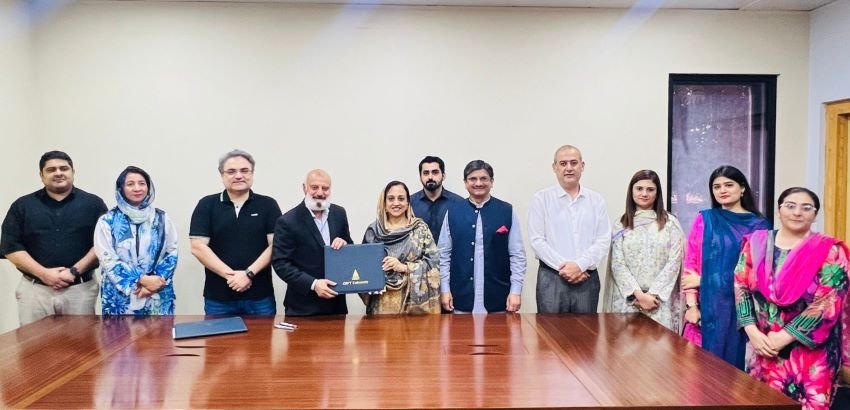
Signing the agreement between GIFT University, the Diplomatic Insight Group and the Gujranwala Business Alliance, 2025.
LatestNo. 7 · 2025 to the present

GIFT University: academia, industry and diplomacy in Gujranwala

In 2025 GIFT University in Gujranwala signed a university-wide agreement with the Diplomatic Insight Group, the group to which IPDS belongs, and the Gujranwala Business Alliance.

Pakistan, with partners in Türkiye, Hungary, Thailand and ChinaThree-way partnership: university, industry and diplomatic network
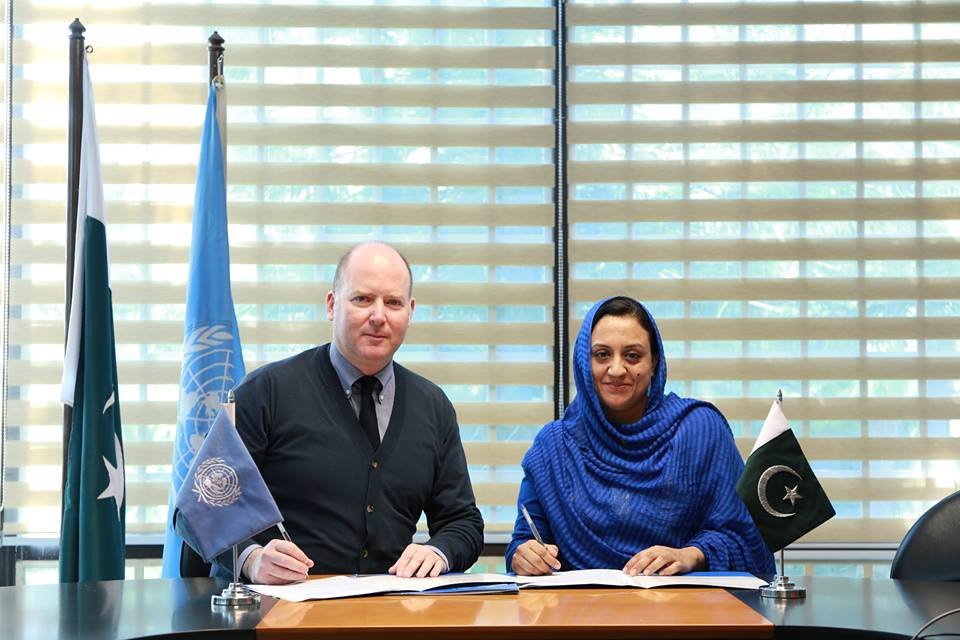
Signing the agreement with the United Nations Information Centre, Islamabad, April 2015.
No. 1 · 2013 to the present

The United Nations: an agreement that reached students

In April 2015 IPDS signed an agreement with the United Nations Information Centre in Islamabad to involve Pakistani students in the UN’s communication work.

United Nations & multilateralMultilateral partnership
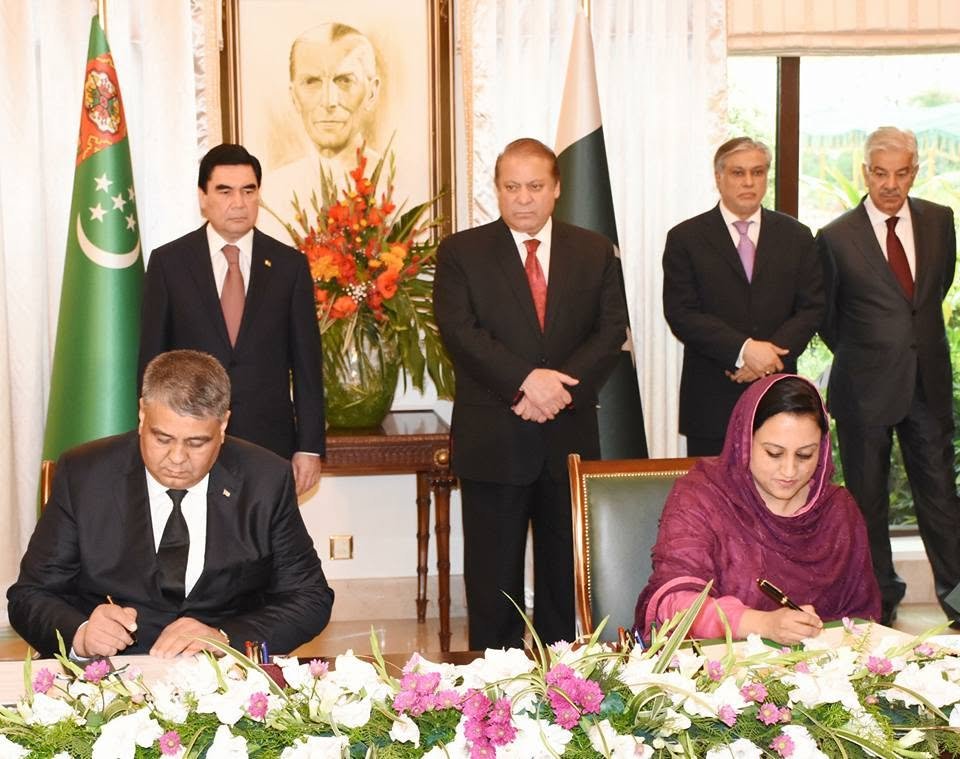
Dr. Farhat Asif signing agreements with Turkmen institutions, Islamabad, March 2016.
No. 2 · 2014 to 2025

Turkmenistan: a decade of joint work

IPDS’s work with Turkmenistan began in 2014 with the Urdu translation of the national poet Magtymguly.

Central AsiaPartnership with an embassy and national institutions
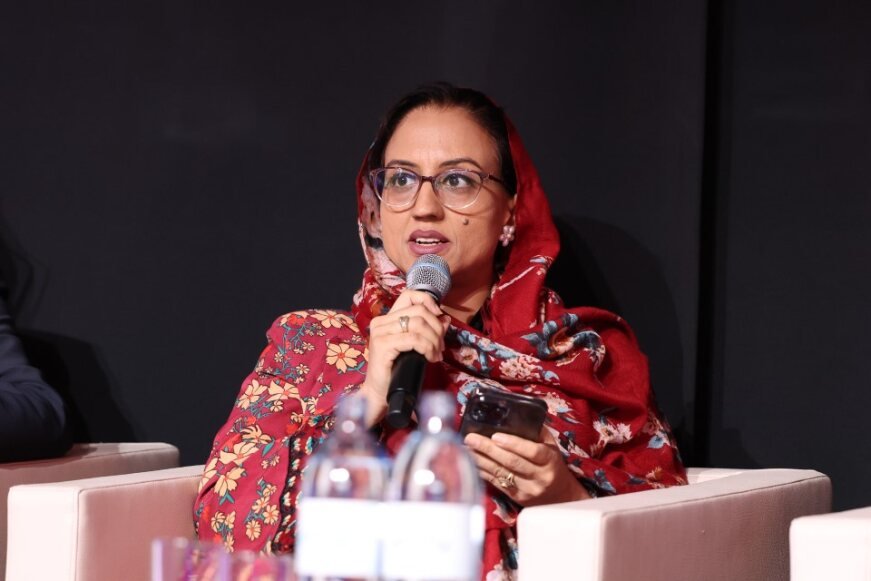
Dr. Farhat Asif on the panel on human-centric data governance, IDSF 2025, Vienna.
No. 3 · May to July 2025

Vienna: three roles at a European security forum

At the 4th International Digital Security Forum in Vienna, IPDS and its media partner The Diplomatic Insight took three roles at once: a speaker on the main programme, an exhibitor, and an official media partner.

EuropePartnership with an international forum
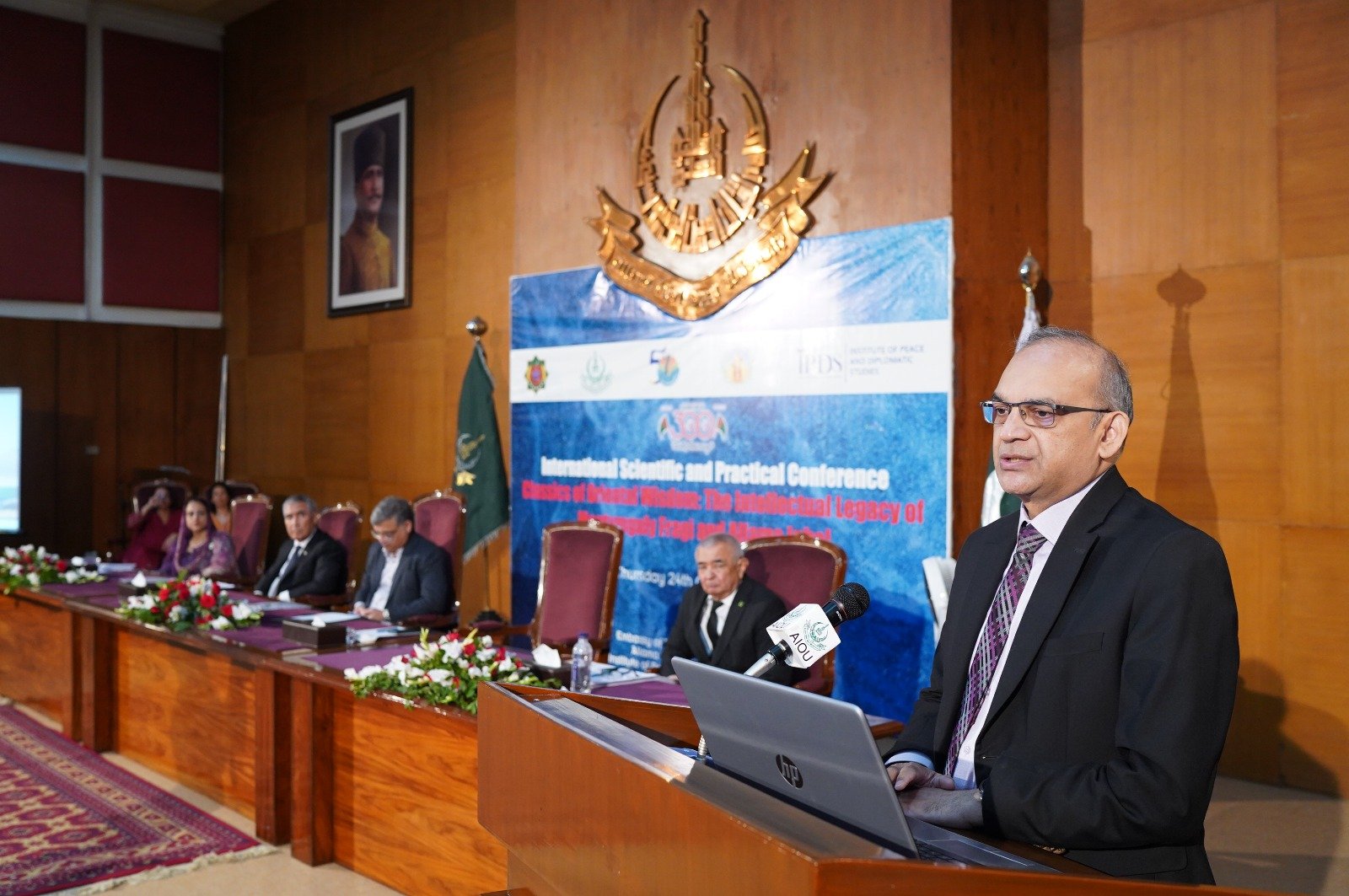
The Magtymguly Corner at Allama Iqbal Open University, Islamabad, 2024.
No. 4 · 2013 to the present

Country corners: culture that stays

Since 2013 IPDS has opened permanent reading corners for the writers and languages of partner countries in Islamabad’s national libraries and universities.

Across regionsProgramme with embassies and national institutions
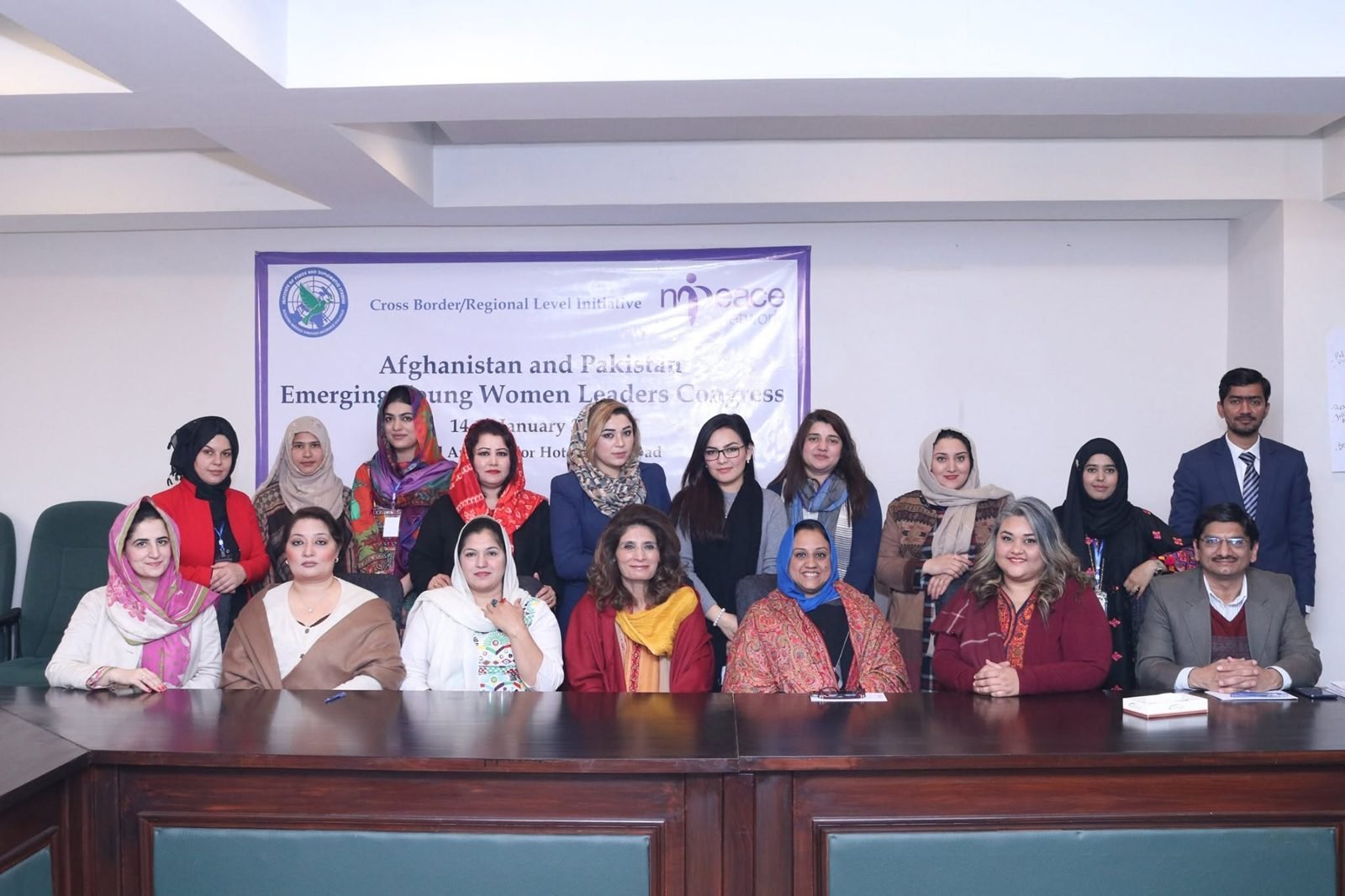
Afghanistan and Pakistan Emerging Young Women Leaders Congress, Islamabad, January 2019.
No. 5 · 2015 to 2019; fourth Congress in preparation

Young women leaders: a congress built with partners

The Emerging Young Women Leaders Congress pairs young women with senior women from politics, diplomacy, public service and media.

Pakistan, Afghanistan, Germany, AustraliaProgramme partnership
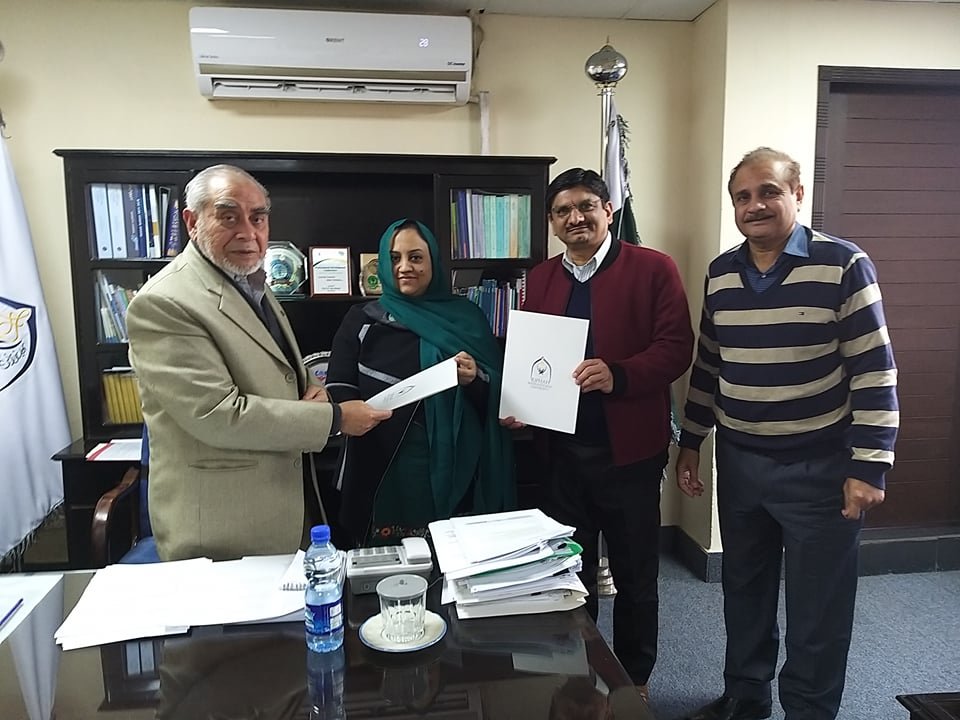
Signing the agreement with Riphah International University, Islamabad, January 2020.
No. 6 · 2020 to 2024

Riphah International University: five years of joint programmes

In January 2020 IPDS and Riphah International University signed an agreement on academic and research cooperation.

PakistanAcademic partnership
Method

How IPDS documents a partnership

Every case study follows the same six-part structure, so partnerships can be compared and checked.

01

Context

Why the partnership was needed, and where each side started.

02

Partners and roles

Every institution involved and what it contributed.

03

What was done

A dated timeline, each step linked to its published record.

04

Outputs

What the partnership produced: agreements, events, publications, programmes.

05

Results

What changed as a result, stated only where a source shows it.

06

How it works

The features that made the partnership last and could be repeated.

Source standard. Statements are drawn from published records: IPDS’s event archive, reports in The Diplomatic Insight, partner institutions’ own pages and the press. Where the record is incomplete, the case says so. We do not estimate impact that the sources do not show.

Review. Each case shows the date it was last reviewed. Partners named in a case study can ask for corrections at info@ipd.org.pk. The full record of joint work, from which these cases are drawn, is on Partnerships in Practice.

Build the next case study with IPDS

Embassies, universities, think tanks and international organisations work with IPDS on research, dialogue, training and culture. Tell us what you have in mind.

Write to info@ipd.org.pk All case studies Partnerships in Practice

Last reviewed October 2026. Partners named in a case study can ask for corrections at info@ipd.org.pk.

The IPDS Newsletter

Research, dialogues and opportunities from IPDS

Our latest analysis, upcoming events and calls for researchers, in your inbox twice a month.

We will email you to confirm. One click unsubscribes you at any time, and we never share your address. How we use your details.