2015
First Congress
Building on the Past, Embracing the Future
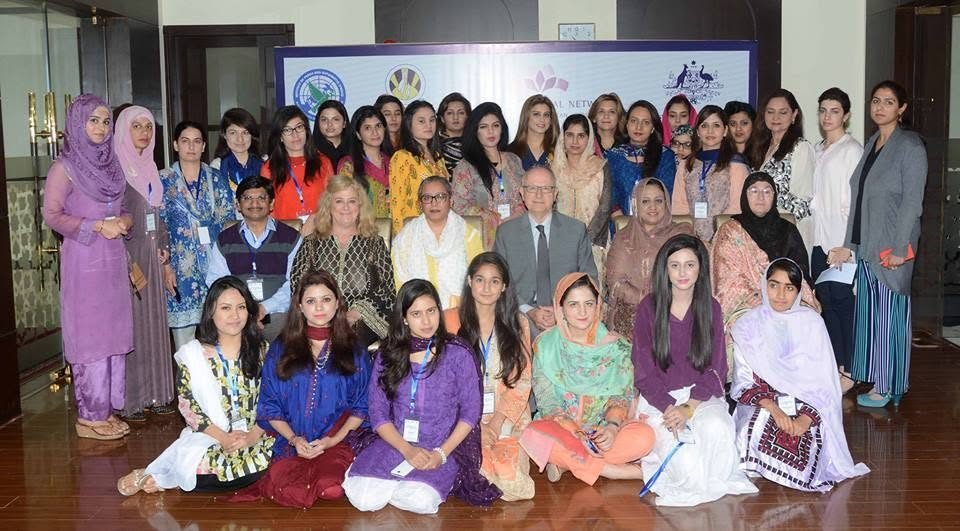
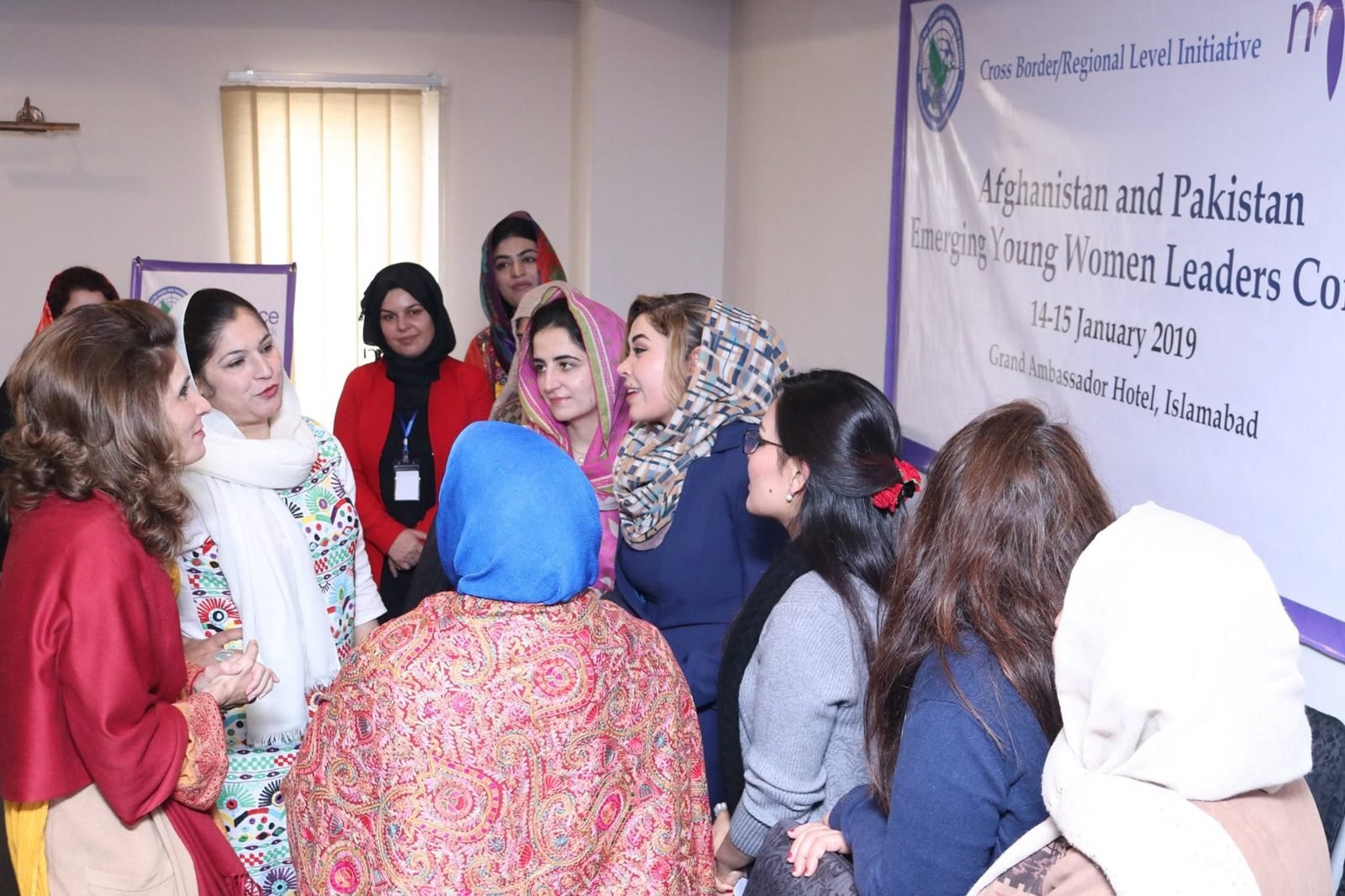
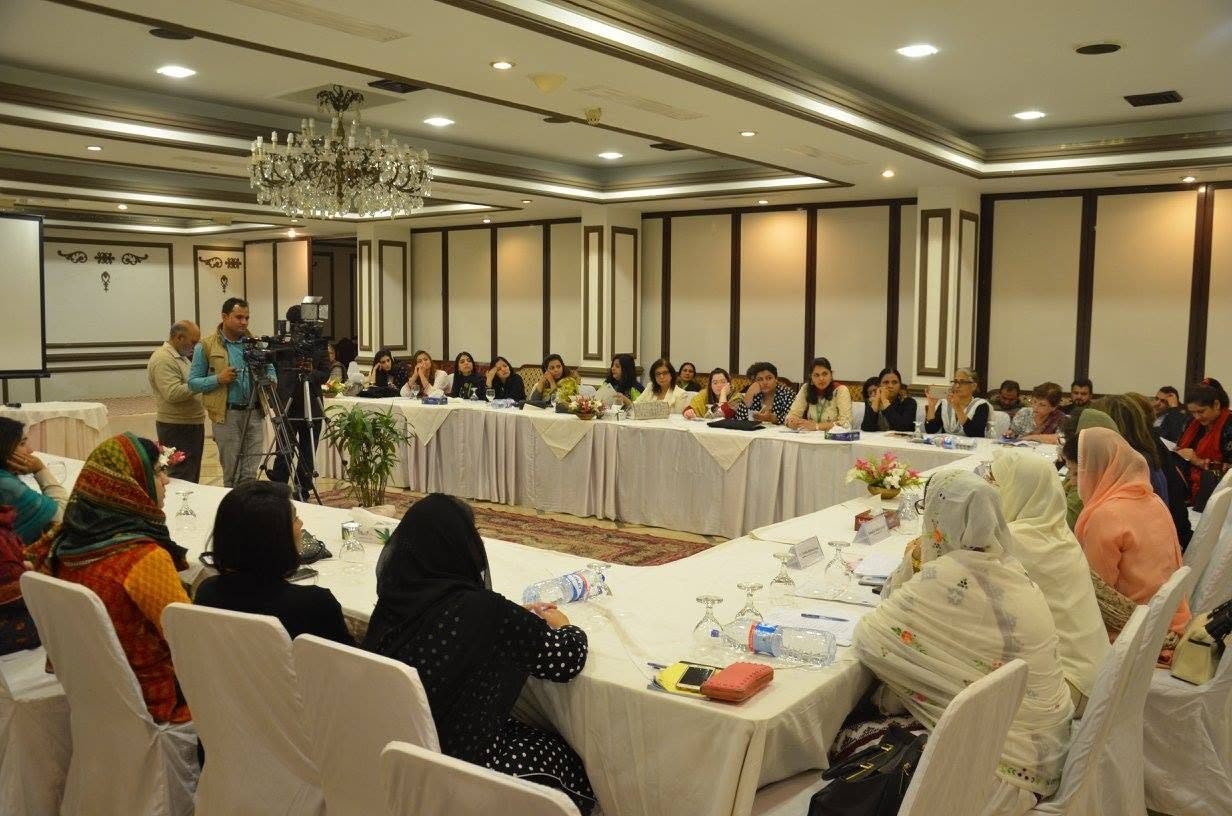
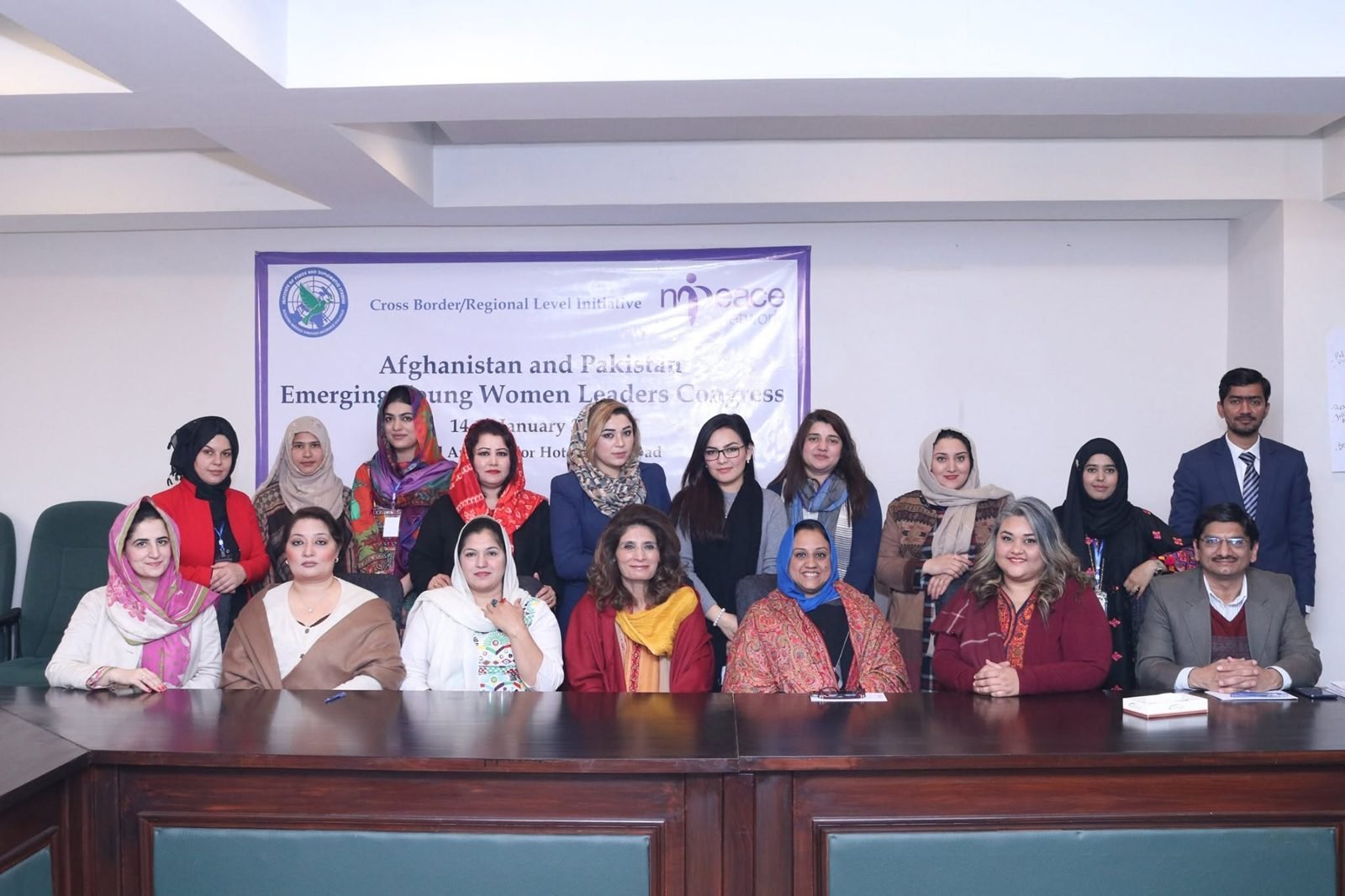
The first Congress, subtitled Network of Present and Future Women Leaders of Pakistan, was organised by IPDS and the Hanns Seidel Foundation (HSF), in partnership with the Inter University Consortium for Promotion of Social Sciences Pakistan (IUCPSS) and the National Testing Service (NTS) Pakistan. Thirty young women were selected from across the country.
- Chaired and inaugurated by Tawakkol Abdel-Salam Karman, Nobel Peace Laureate 2011, on her first visit to Pakistan. Diplomats, women parliamentarians, party leaders and senior officials attended the opening.
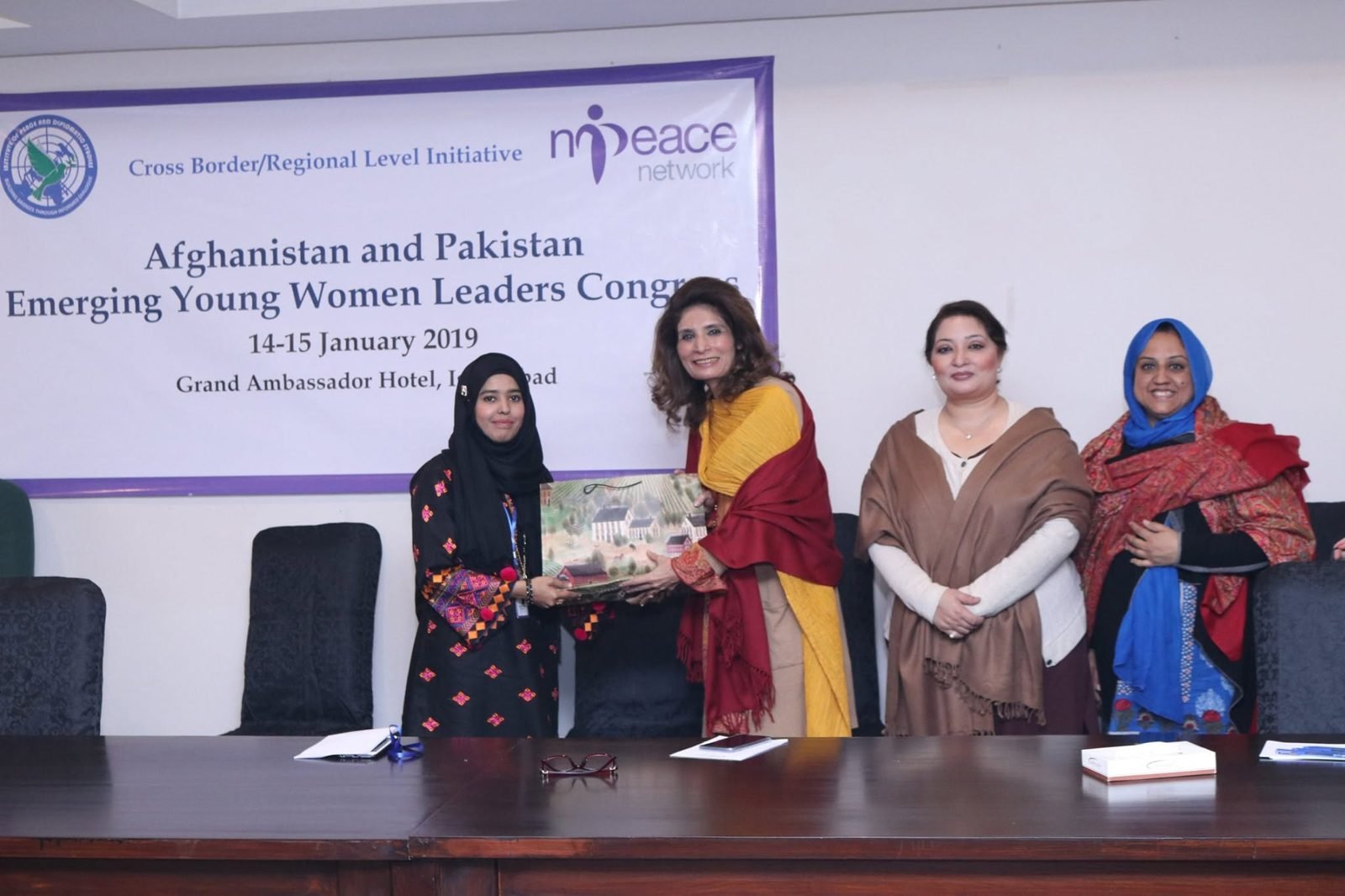
- Ms Karman and IPDS President Farhat Asif signed the foundation stone of the Centre for Women, Peace and Security, themed “For Every Woman”. It is today the IPDS Centre for Women, Peace and Leadership.
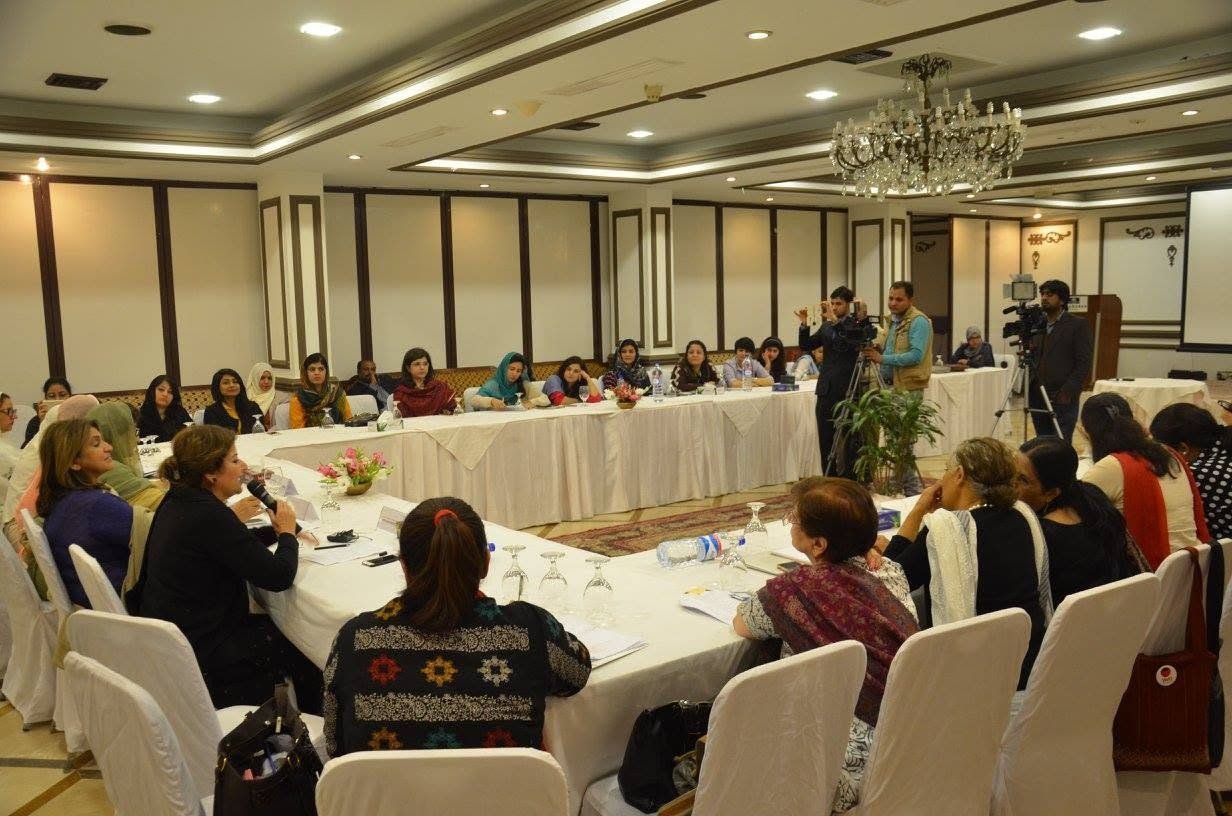
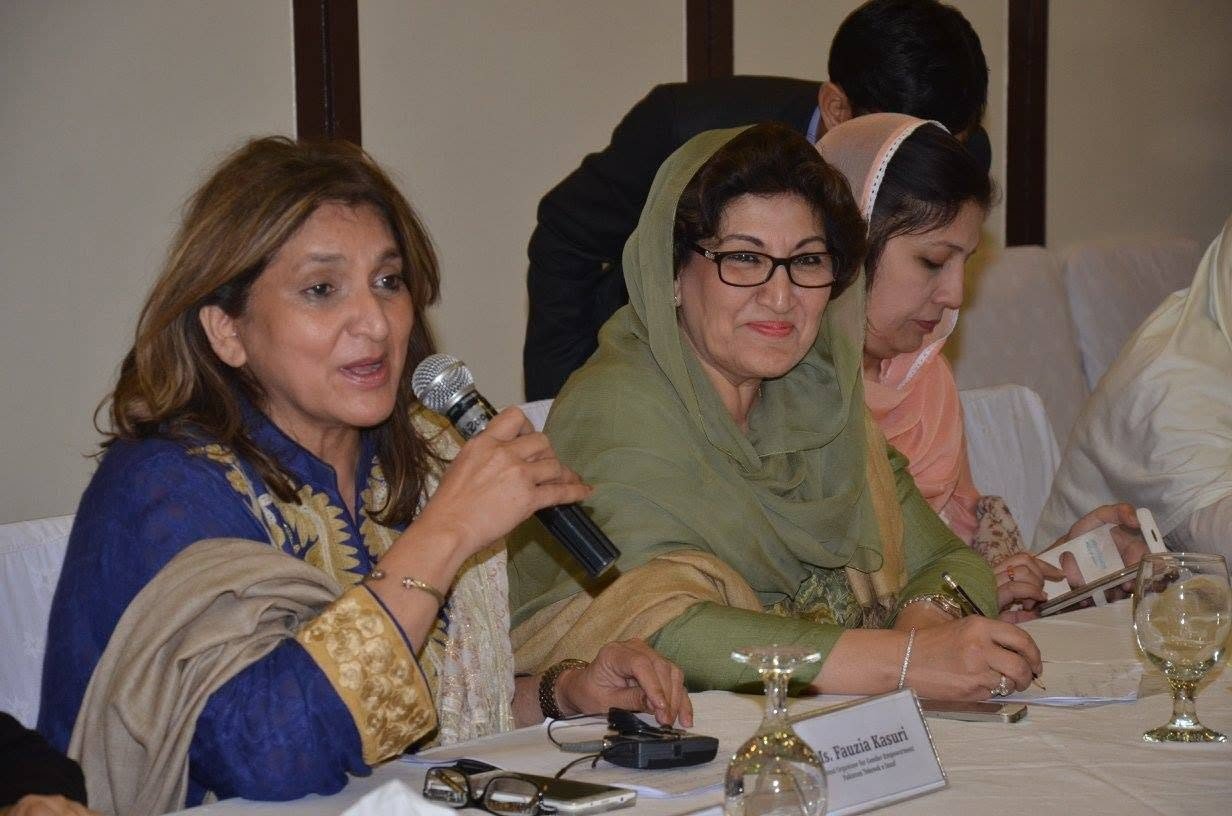
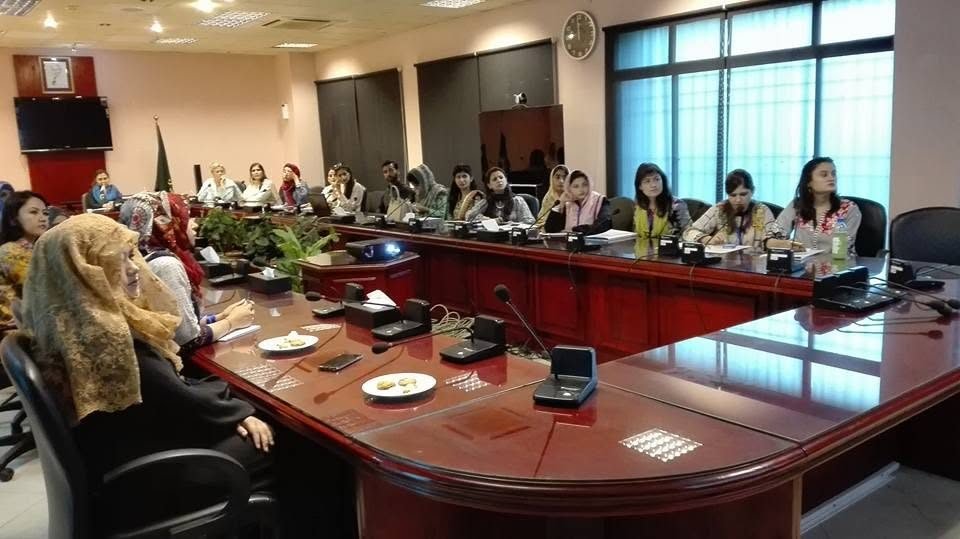
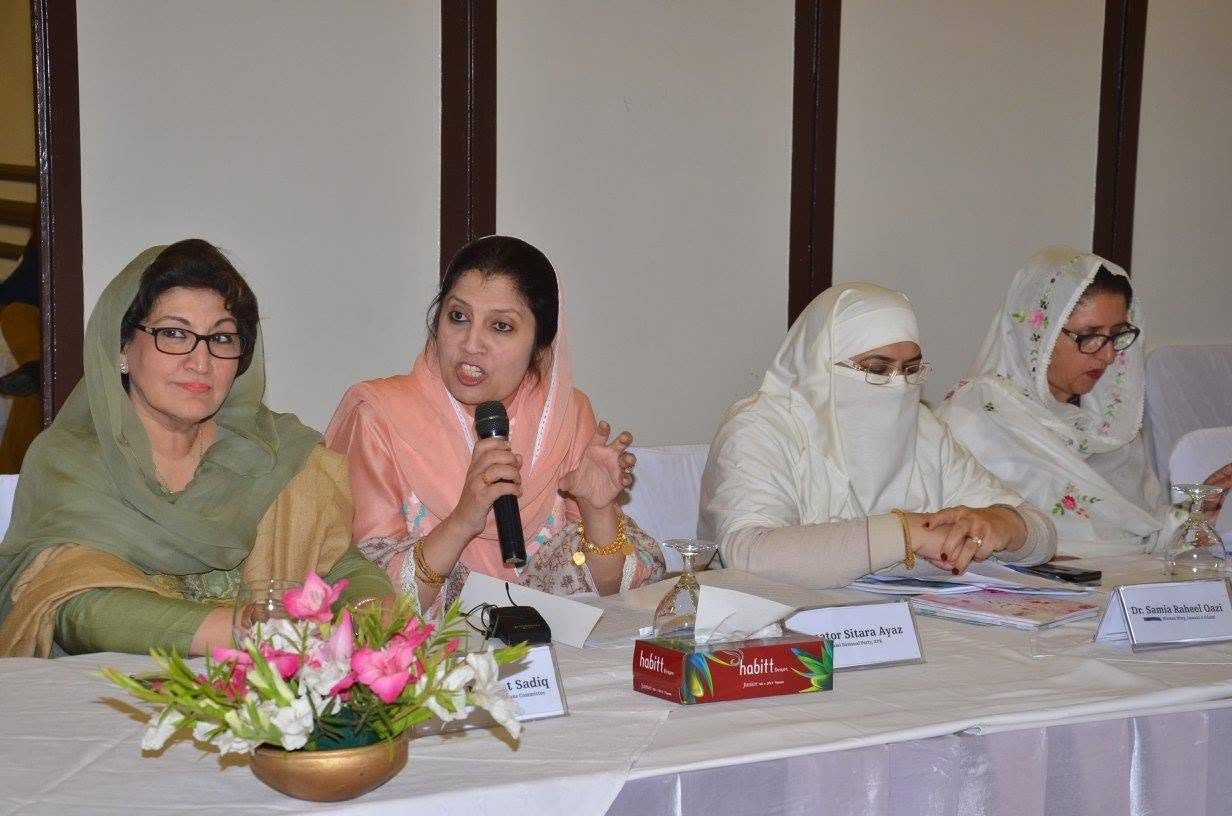
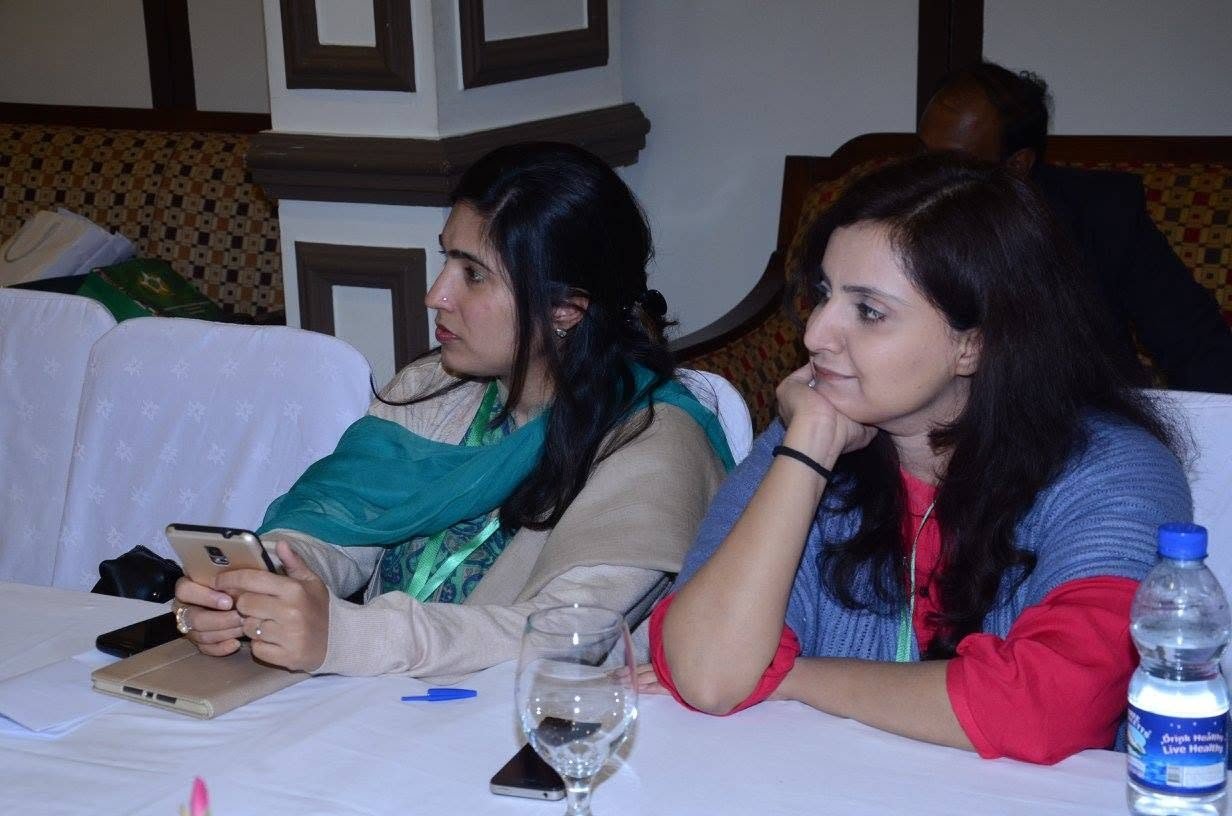
- Six mentoring sessions brought 19 senior women from politics, media, civil society, the civil service, education and business to work with the participants (see Mentors).
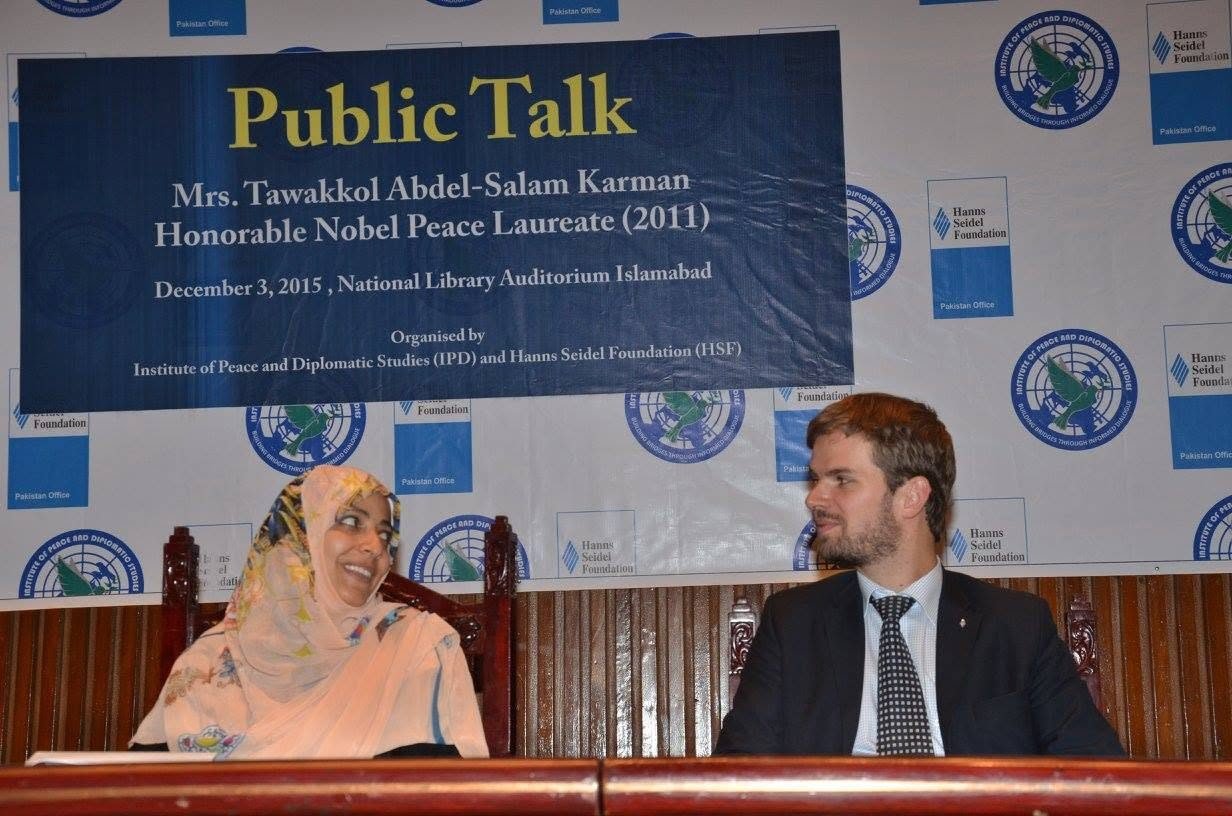
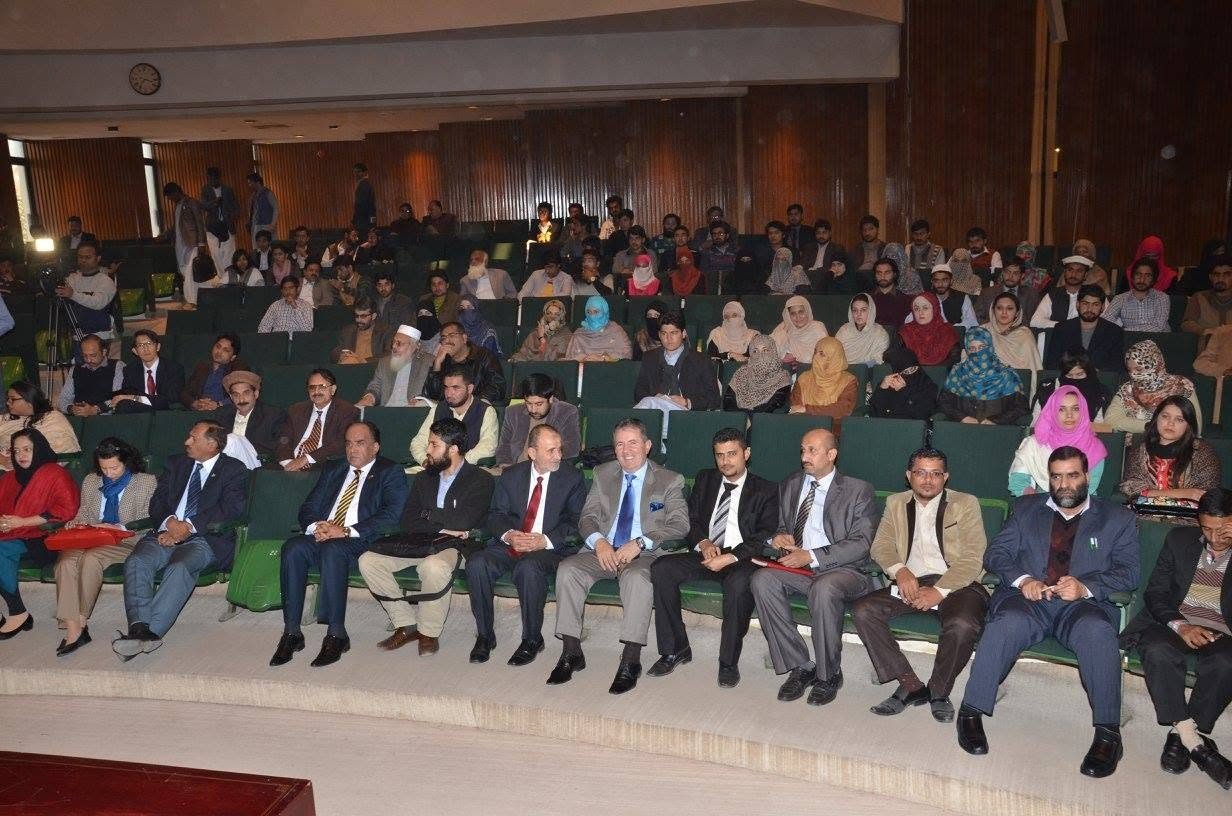
- The Congress closed with a public talk by Ms Karman at the National Library Auditorium on 3 December 2015.
Women’s Role in Politics: Opportunities and ChallengesWomen in Media: Gaining Equality and SuccessRole of Women in Civil Society for Empowering Fellow WomenBureaucracy and Pakistani Women at Leadership PositionsChallenges for Women in EducationStartups and Business: Pakistani Women Breaking New Ground
Coverage: The Nation, 1 December 2015 · IPDS event record